Portuguese
  Spanish


Chinese Solar Panels Dominate 68% of Brazilian Imports and Continue to Rise in 2025, While Europe Denounces Dumping and Market Loss.
Brazil has become a global powerhouse in renewable energy, but the impressive advance of solar energy in the country has a detail that bothers international competitors: China’s absolute dominance over the supply of equipment. In 2024, 68% of all solar modules imported by Brazil came from China, equivalent to 22.5 GW of power, consolidating the Asian giant as the main supplier and raising questions about technological dependency and strategic vulnerability.
In 2025, the trend continues. Even with a 33% drop in the volume of imports in the first four months, due to logistical adjustments and a temporary slowdown of projects, the Chinese still hold the largest share of the market, leaving European manufacturers in the background. The result is a scenario where Brazil accelerates its energy transition but increasingly finds itself tied to a global supply chain dominated by Beijing.
How China Achieved Global Hegemony in Solar Energy
China’s dominance in the sector is not a coincidence. Since the 2000s, Beijing has invested in an aggressive policy of incentives and subsidies for solar panel factories, ensuring production scale unparalleled in the world.
-
Solar energy reaches 55 GW, becoming the second largest power source in Brazil’s energy mix

-
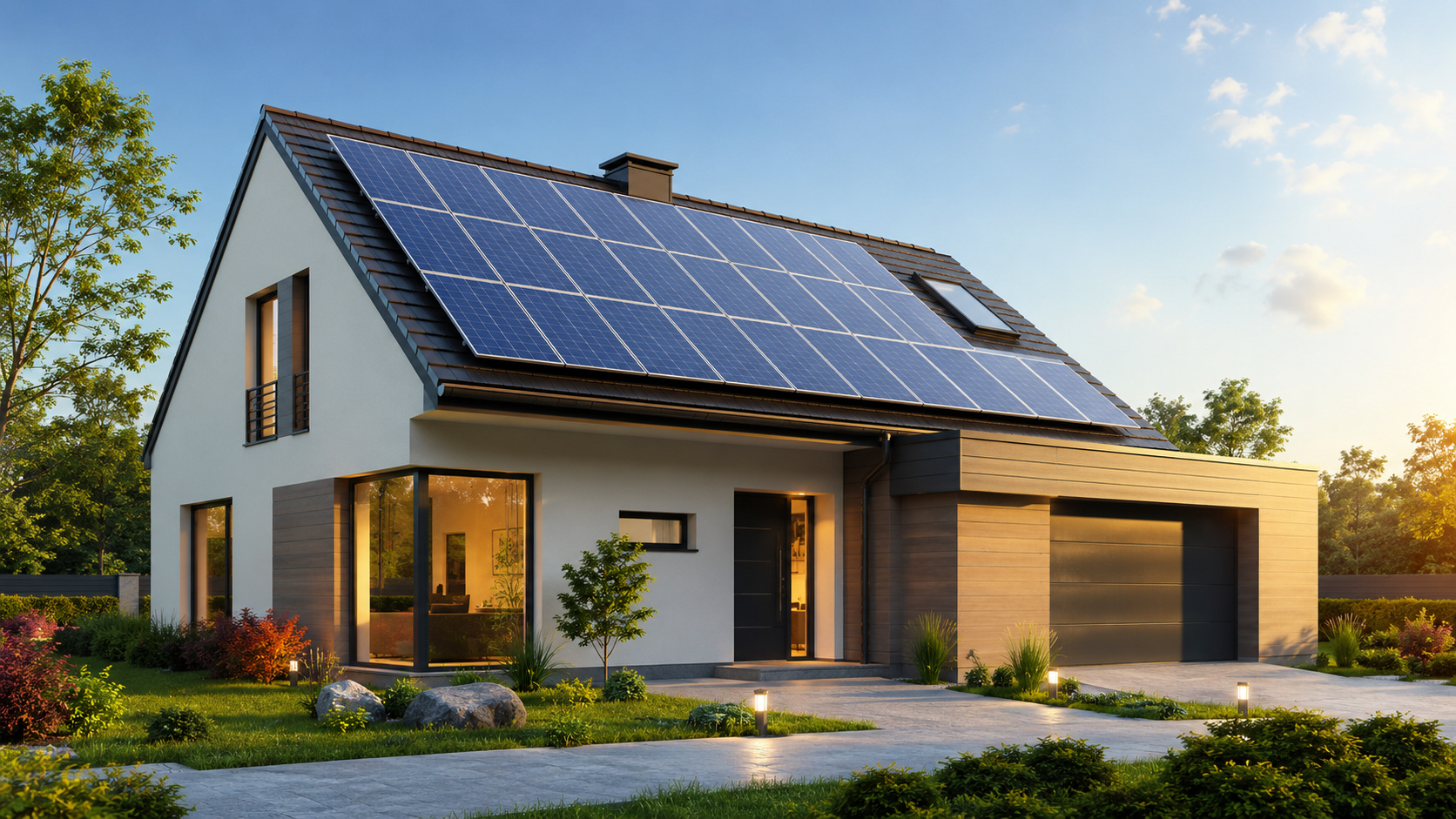
Solar energy can increase property value by up to 10% and become a selling point.
-
Solar and wind energy surpass natural gas for the first time in the world and accelerate energy revolution

-
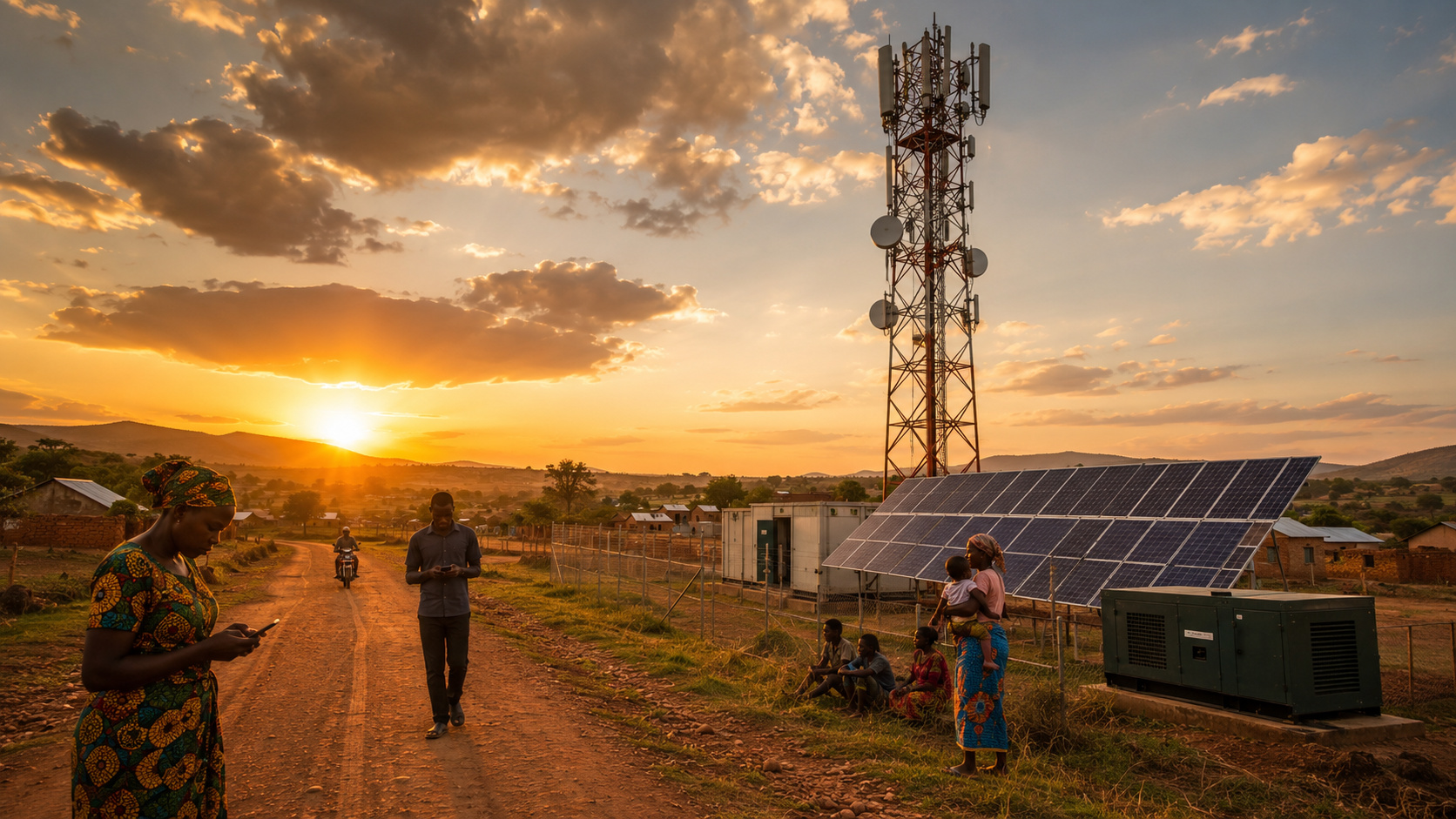
Africa has about 500,000 cell towers and most still burn diesel to operate, while companies rush to cover antennas with solar energy and avoid signal blackouts.
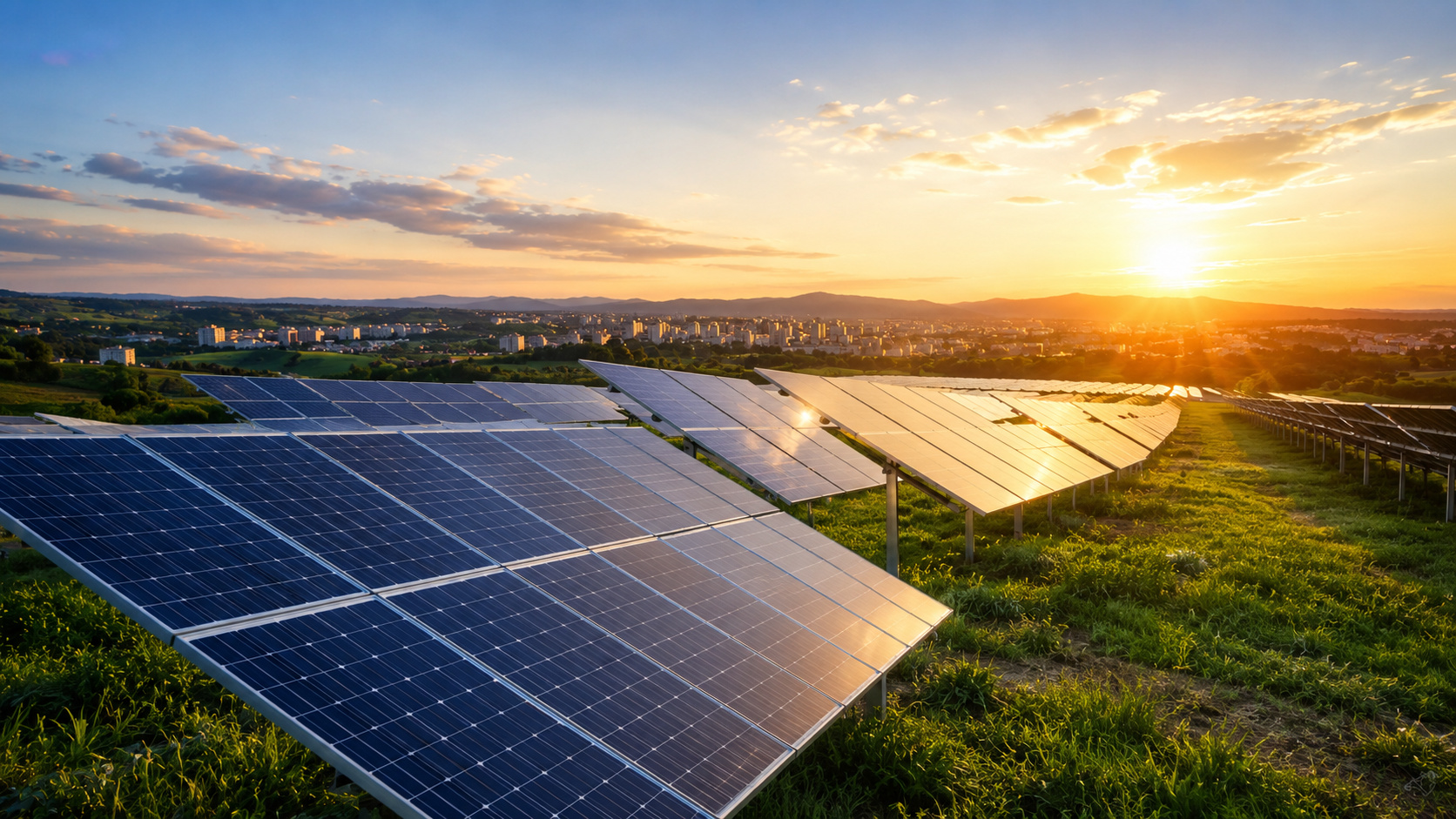

Today, over 80% of the global manufacturing capacity for photovoltaic modules is concentrated in Chinese territory, spread across megafactories in the provinces of Jiangsu, Anhui, and Xinjiang.
This strategy has allowed China to reduce production costs by up to 30% compared to European and American competitors. Additionally, vertical integration—ranging from silicon mining to final manufacturing—has transformed the country into the epicenter of the solar energy supply chain.
For emerging countries like Brazil, seeking to rapidly expand their renewable energy matrix, this cheap and abundant supply has become practically irresistible.
Brazil at the Center of the Energy Transition
In Brazil, solar energy has shifted from a supporting role to a leading one. Between 2019 and 2025, installed capacity jumped from 4 GW to over 40 GW, placing the country among the top ten solar energy generators in the world.
The popularization of photovoltaic systems on rooftops, solar farms in the countryside, and megaprojects in the Northeast has consolidated a new stage in the energy matrix.
A large part of this expansion was only possible thanks to the import of Chinese modules at affordable prices. Panels from Beijing cost up to 30% less than those from European competitors, allowing rural cooperatives, small businesses, and even low-income families to invest in their own systems.
In practical terms, China has accelerated a movement that would otherwise take decades to reach its current scale.
Europe Reacts: Accusations of Dumping and Warnings of Market Loss
In the European Union, the scenario is viewed with concern. Local manufacturers claim that Chinese panels are sold below the actual cost of production—a practice known as dumping. According to industry entities, this undermines competition and threatens the survival of European companies that cannot compete with subsidized prices from Beijing.
Brussels has already initiated discussions on anti-dumping tariffs and trade barriers to restrict the entry of Chinese modules into the European market.
However, the effects of this policy could go beyond the bloc’s borders. If restrictive measures are broadened, partner countries like Brazil may face pressures to diversify suppliers, at the risk of becoming even more dependent on China.
The Brazilian Dilemma: Clean Energy or Industrial Sovereignty?
For Brazil, the scenario is paradoxical. On one hand, Chinese panels ensure the accelerated expansion of solar energy, enabling large-scale projects and strengthening the renewable energy matrix. On the other, the country has practically not developed a competitive national industry for photovoltaic equipment, becoming reliant on imports.
Today, there are factories in Brazil that assemble modules, but most rely on Chinese inputs and do not achieve the scale to compete on price. The lack of governmental incentives and cheap credit hinders the creation of a robust industrial chain. Consequently, with each new solar plant installed, dependency on foreign suppliers grows.
Energy Geopolitics: The Dispute Between China, Europe, and the U.S.
China’s dominance in the solar sector is not just an economic phenomenon, but a tool of global geopolitics. By controlling the production chain of essential equipment for the energy transition, Beijing ensures influence over developing countries and pressures direct competitors.
Europe accuses losing ground and seeks protective measures. The United States, for its part, has already announced restrictions on panels made in Xinjiang, citing human rights and national security issues.
In this chessboard, Brazil occupies a strategic position: it is an emerging market with enormous potential, abundant sunlight, and increasing demand for clean energy. Whoever dominates this market will control a significant part of the global energy future.
The advance of solar energy is undeniable. In 2025, thousands of Brazilian households, businesses, and farms are reaping the benefits of cleaner and cheaper electricity, largely thanks to modules imported from China. But the question that lingers is: how long will this dependency be sustainable?
While billion-dollar contracts with China allow for rapid growth, the country may be giving up the chance to develop its own technological industry. In a scenario of geopolitical tensions, this could become a vulnerability.
In the end, Brazil finds itself facing a dilemma: celebrating the victory of access to clean energy or recognizing the trap of structural dependence on a single global supplier? The answer will determine whether the country will be merely a consumer or also a protagonist in the global race for energy transition.