





 Portuguese
  English
  Spanish
  3 min of reading
  0 comments


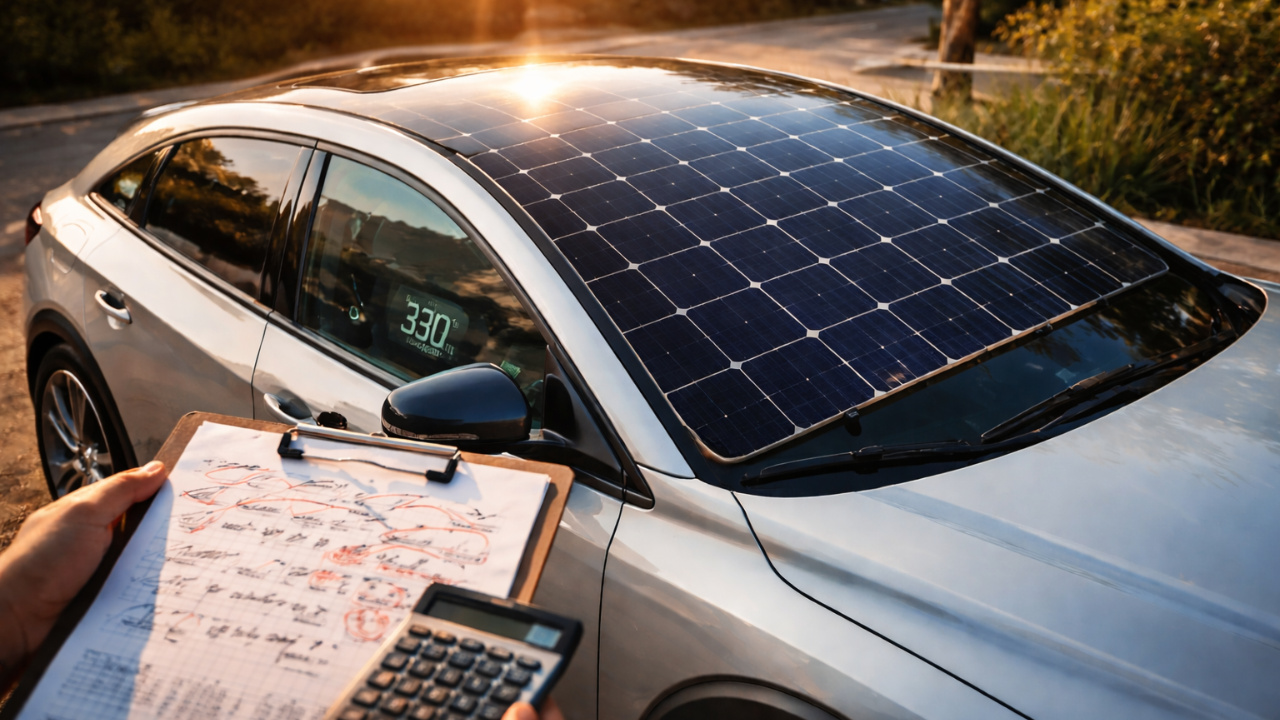
Solar Panels Integrated into Electric Cars Promise Up to 80 Additional Km Per Day, but Calculations Show That Reality May Be Very Different. Understand the Real Impact of This Technology.
The solar panels integrated into electric vehicles were one of the most discussed topics at CES 2026.
The highlight was the technology from Solarstic, a startup linked to the Hyundai Motor Group. The proposal seems simple and appealing: use solar energy to charge the car’s battery while it is parked or driving.
The solution is already being tested in real models, such as the IONIQ 5 and the ST1. It is not a laboratory concept. It is something functional. So much so that the technology won the Vehicle Tech & Advanced Mobility award.
-
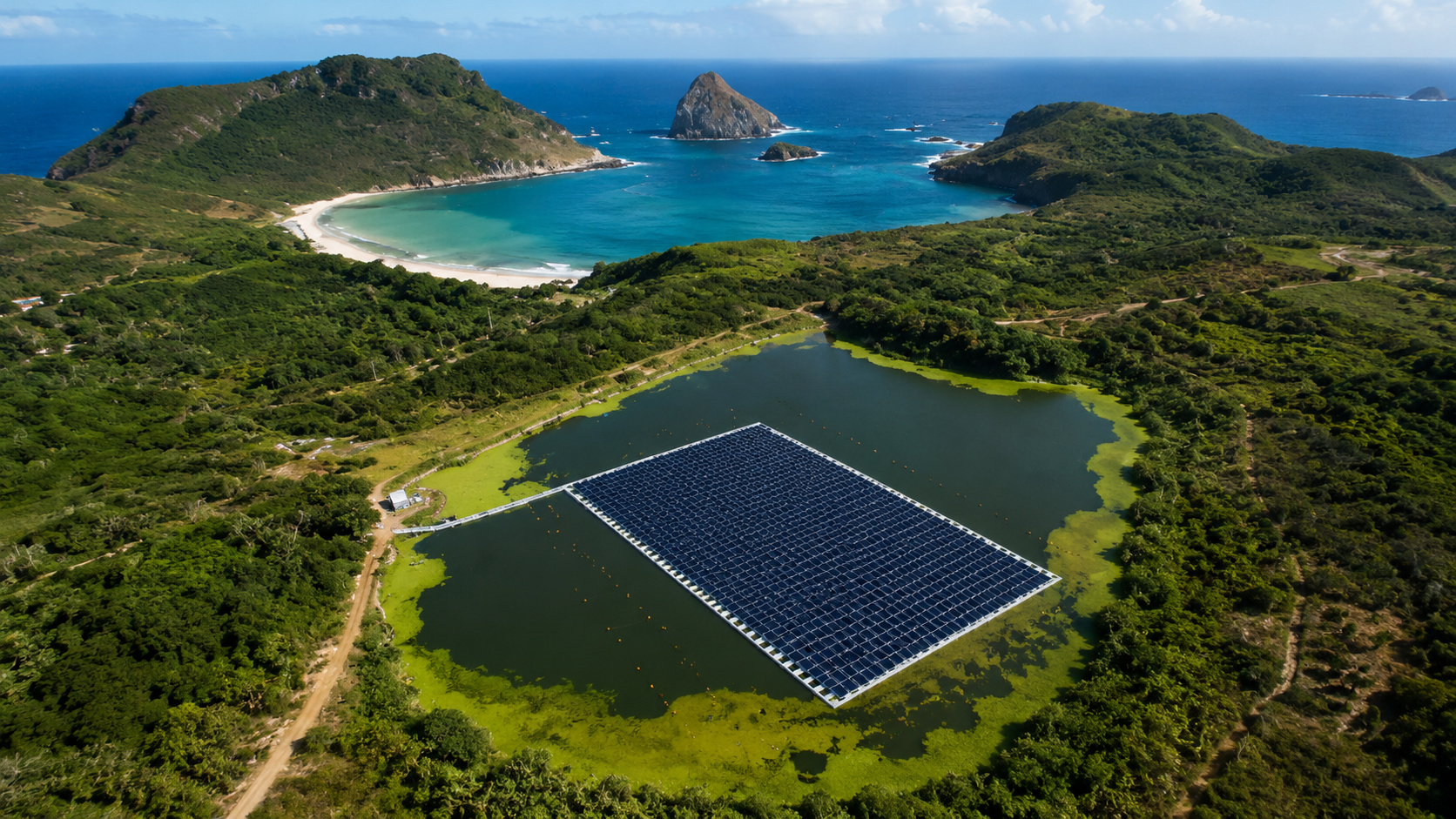
Solar panels at sea can generate up to 12% more energy than land-based plants, study finds: Researchers from Taiwan discovered that offshore solar panels take advantage of the natural cooling of water to increase electrical efficiency, reduce heat losses, and expand renewable energy production in regions with limited available land space.

-
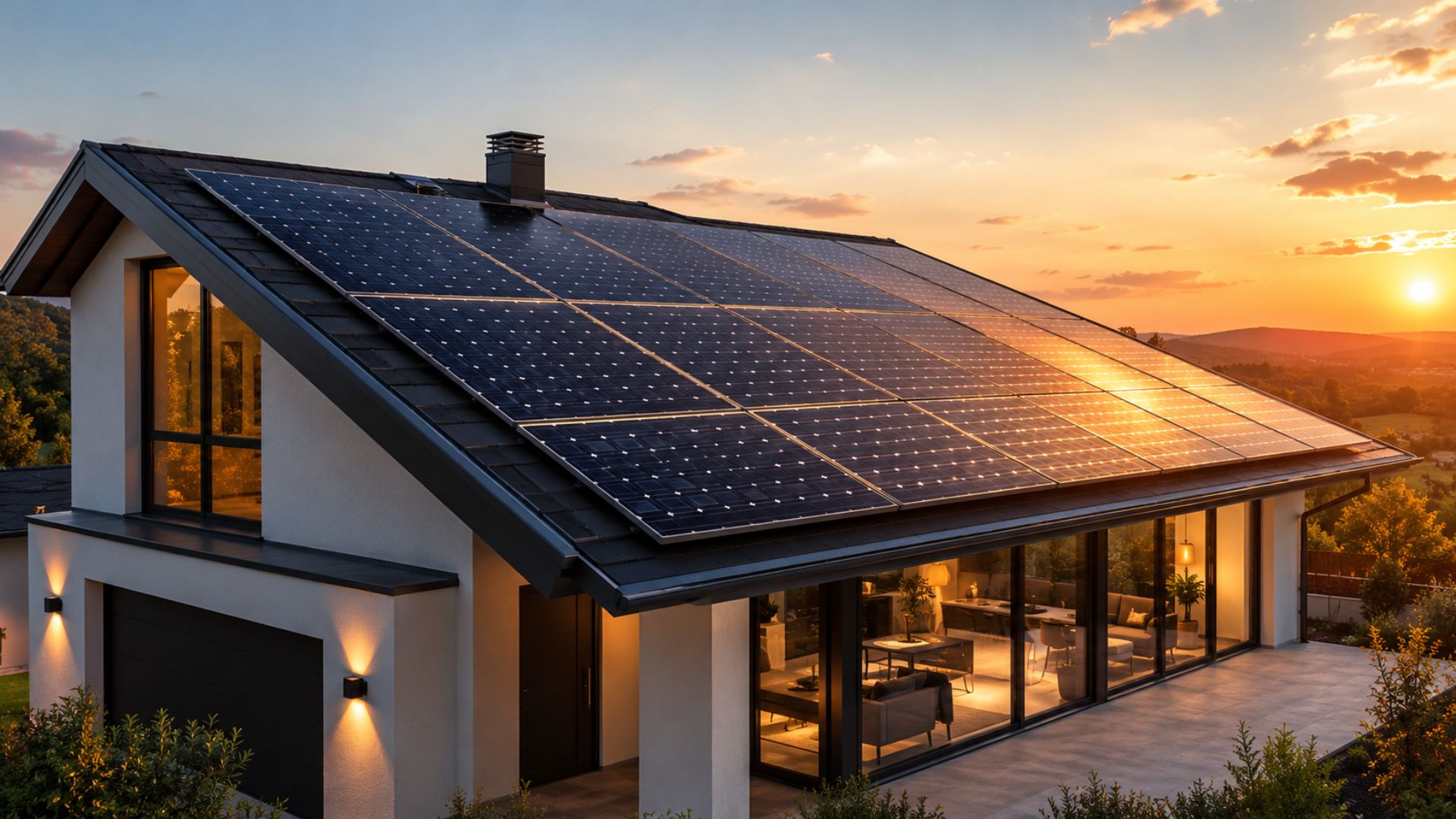
The era of solar panels attached to roofs is beginning to change with transparent glass that generates energy while keeping the view unobstructed, and perovskite photovoltaic windows already tested in offices in Japan promise to transform entire facades into invisible power plants without blocking light or altering the appearance of buildings.

-
The era of silicon alone in solar energy comes to an end with the arrival of perovskite, a material that captures a broader light spectrum, is applied as a thin film, and, together with silicon, reaches a theoretical limit of 45% efficiency in tandem modules.

-
Fernando de Noronha begins unprecedented energy transformation with a R$ 350 million solar plant that promises to replace diesel generation and change the island’s sustainable future by 2027.


The company claims that the solar panels installed on the roof and hood can generate up to 500 watts of power. According to Solarstic, this would allow for an increase in range of up to 80 kilometers per day. On longer trips, the system could “recharge about 30% of the battery while driving.”
The promise is exciting. However, when the numbers are put on the table, the scenario changes.
Previous Attempts Show That Solar Panels Are Not an Easy Bet
This is not the first time that the sector has tried to put solar panels on cars. The Lightyear One promised up to 70 additional km per day. The problem was the cost: too high. The company eventually went bankrupt.
Sono Motors also attempted with the Sono Sion. The project was canceled and the company began to sell only the technology.

Aptera, on the other hand, is taking a different path. A lightweight three-wheeled vehicle, designed from the beginning to use solar energy. The first deliveries are expected in 2026.
Traditional automakers have also conducted tests. Mercedes-Benz with the Vision EQXX. Toyota with the Prius. But none have managed to turn this into a real range leap.
When the Numbers Come into Play, the Account Does Not Close
The Hyundai Ioniq 5 consumes about 17 kWh for every 100 km. To drive 80 km, 13.6 kWh would be needed.
A solar panel system of 500 W would have to operate for almost 28 hours under full sun to generate that energy. A day does not have 28 hours. Therefore, something does not add up.
In practice, this gain would only be possible in several consecutive sunny days or in extremely efficient cars, like the Aptera. Not in a two-ton SUV.
In sunny cities like Cartagena, Spain, a car could travel about 10 km per day solely with sunlight. In Pamplona, on a typical summer day, the gain would drop to around 15 km.
This confirms what experts have already pointed out. The car cannot be powered solely by solar energy.
In Practice, Solar Panels Help More Than They Seem
Even so, solar panels are not useless. Tests with the Vision EQXX showed gains of up to 43 km on a sunny day.
The Prius Plug-in, on the other hand, achieved about 6 additional km under ideal conditions. Little, but relevant.
The greatest value of this technology lies in another area. Keeping the air conditioning on. Preventing the battery from draining when the car is parked. Cooling the cabin without consuming energy from the main battery.
In this regard, solar panels make a difference. Especially in hot countries.
Furthermore, Hyundai has something that startups did not have. Scale. If it can produce this system en masse and ensure durability for a decade, the impact could be real.
And you, have you had any experience with electric cars? Do you believe that solar energy can transform the market or are things already satisfactory?






Be the first to react!