






 Portuguese
  Spanish


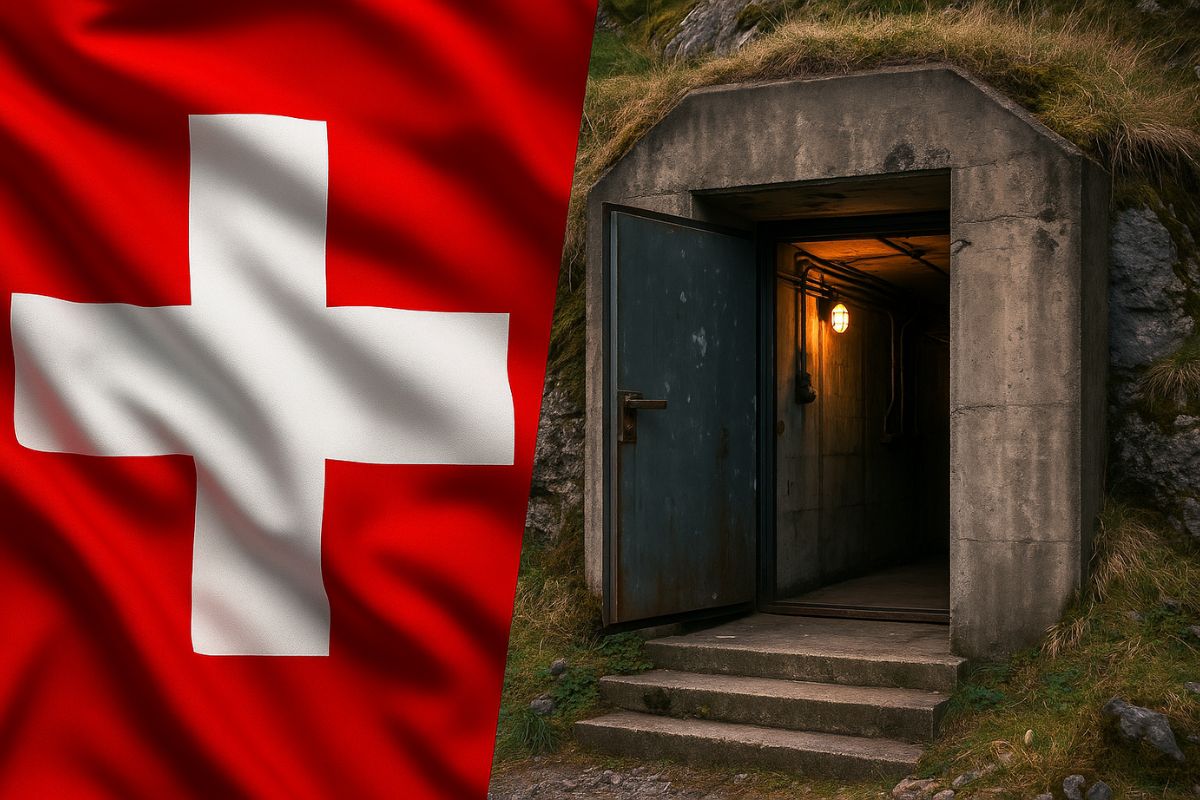


Underground Structures Are Central Again to the Country’s Military Strategy, Which Bets on Technology and Pragmatism to Face Modern Threats
Switzerland has decided to reactivate 8,000 military bunkers scattered across the country, built between World War I and the end of the Cold War. The aim is to reinforce national defense in light of new geopolitical tensions in Europe, without abandoning the traditional stance of neutrality.
These structures were part of the “National Redoubt,” a protection network designed to ensure control over strategic routes in the Alps. After decades of disuse, the bunkers are now being reassessed to house modern technologies and serve as command centers, storage, and tactical shelters.
From Cheese to War: The Reinvention of Swiss Bunkers
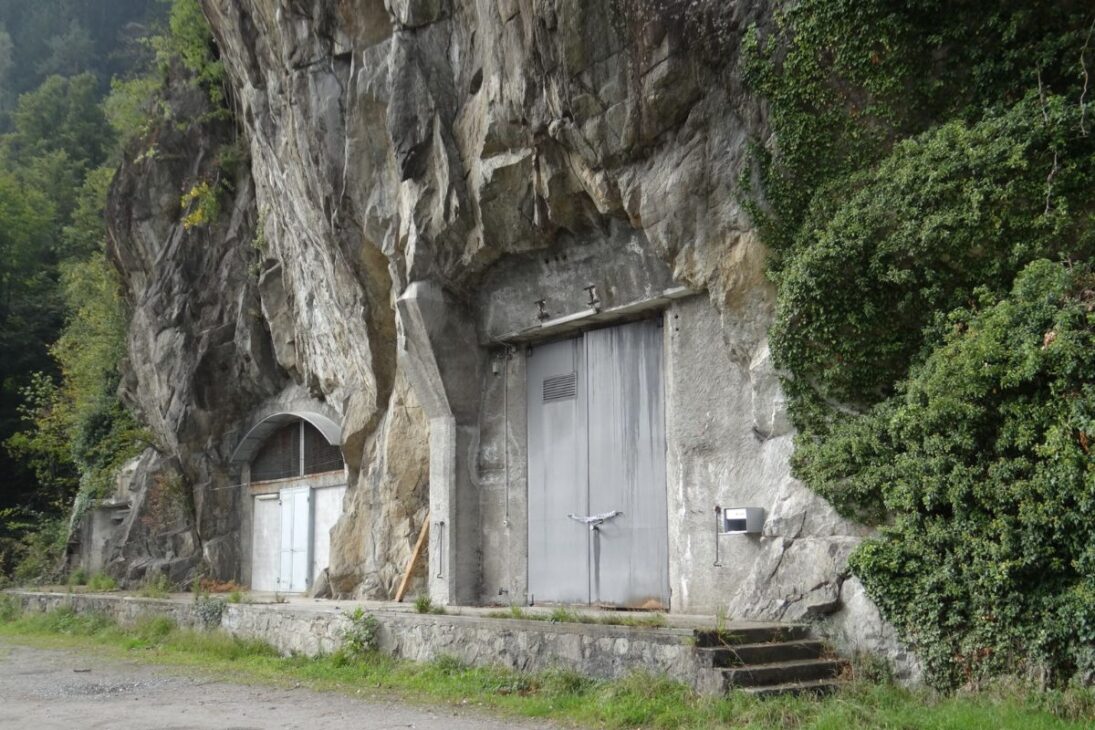
During the 1990s and 2000s, many bunkers were deactivated and sold for civilian uses, becoming wine cellars, hotels, and even data centers like the “Swiss Fort Knox.” However, in 2023, the Swiss army suspended all sales and initiated a modernization plan for the facilities.
-
Over 60,000 People Displaced in Brazil’s Maceió After Sinkholes Expose 35 Underground Salt Mines Linked to Braskem Disaster

-
Brazil Sets Record with 9.3 Million Foreign Tourists in 2025, a 37% Increase

-
Brazil’s Grupo Boticário Earned $7.5 Billion in 2025, Now World’s Largest Beauty Retail Network

-
Scientists Warn Extraterrestrial Life May Have Left Clues on Other Planets, But Humans Might Be Missing Them in Space Missions


According to the army chief, Thomas Süssli, “the nature of threats has changed,” and the decision seeks to adapt the bunkers to the demands of a new military landscape. Many sites will be transformed into “defense nodes that are hard to attack,” with reduced personnel, autonomous sensors, and low operating costs.
Innovation and Civil Preparedness Are Part of the Plan
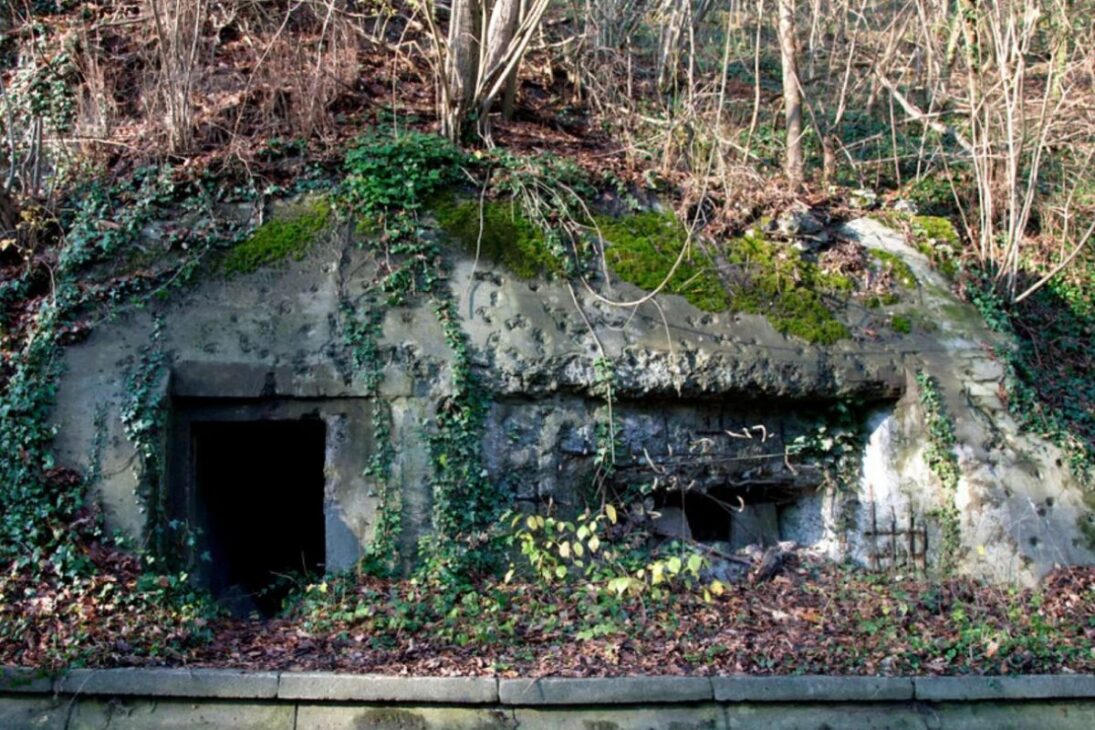
To modernize the bunkers, the government has called on startups, universities, and technology companies to propose solutions. An event called “Innovation Day” will be held in September, open to the public and defense specialists.
Besides the military function, some civilian shelters are already being adapted to temporarily host refugees, integrating civil resilience policies. In Switzerland, military service is mandatory and the country has a militia army model, with well-trained reservists who can be mobilized until the age of 35.
During the Cold War, it was estimated that 2 million Swiss were armed and ready, with access to weapons and equipment stored at home. Today, although there are more restrictions, the readiness system remains — including munitions stored at rapid distribution points.
Philosophy of Armed Neutrality Remains Alive
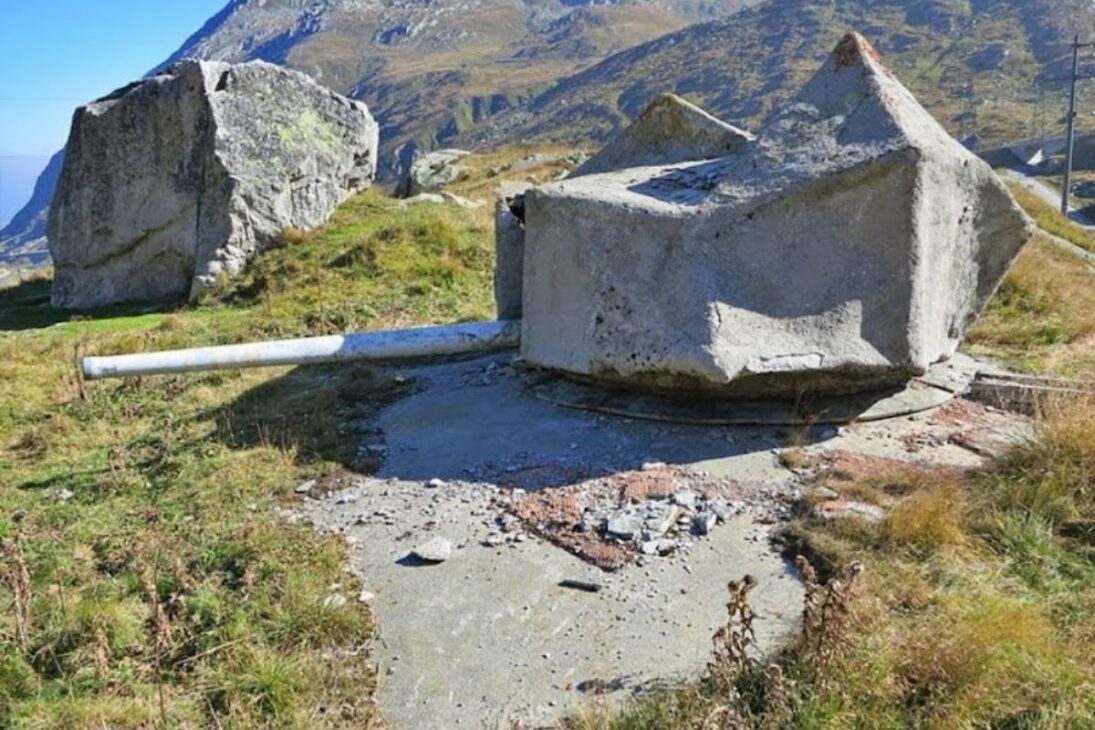
The Swiss bunkers were also stocked with supplies by the supermarkets themselves, which would periodically exchange stocks to keep food and medicines updated. The logic remains: “Being neutral requires strength,” states a widely accepted motto in the country.
Switzerland continues to invest in high-quality weaponry, with its own defense industry, and maintains a small but highly prepared troop. The reactivation of the bunkers represents a return to pragmatism: updating the old to protect the future.
Do you think the strategy of reactivating bunkers can be effective in times of modern warfare? Or is this model already outdated? Leave your opinion in the comments.


