






 Portuguese
  Spanish




Debtor Countries Turn to Yuan and Swiss Franc to Reduce Costs of External Debt Amid Rising Interest Rates in the U.S. and the Search for Alternatives to Dollar Financing.
Debtor countries are swapping part of their dollar debt for financing in currencies with lower interest rates, such as yuan and the Swiss franc, to reduce costs in a tightening monetary scenario in the United States.
The reorientation is being driven by governments such as Kenya, Sri Lanka, and Panama, and is gaining traction as the rising cost of dollar credit increases debt servicing and pressures budgets.
High Interest Rates in the U.S. Increase the Cost of the Dollar
The Federal Reserve policy, with the target range for Fed Funds between 4.25% and 4.50%, makes new dollar issuances more expensive even as the risk spreads for emerging markets are at historically low levels.
-
Brazil to Issue “Panda Bonds” in China, Aiming to Raise Up to 5 Billion Yuan at Lower Interest Rates Than Dollar Debt
-
NATO Faces Internal Tensions as U.S. Pushes for Increased Defense Spending, Targeting 5% of GDP by 2035, with Warnings for Countries Near 2% Level

-
Brazil to Introduce B16 Diesel with Increased Soybean Oil Content for Trucks by 2026
-
Brazil’s July Bolsa Família Payments May Include Extra $150 and $50 for Families with Children, Pregnant Women, and Updated CadÚnico Registration


According to Armando Armenta, vice president of global economic research at AllianceBernstein, “the high level of interest rates and the steep yield curve of Treasuries have made dollar financing more burdensome for emerging markets, even with relatively contained spreads.”
For him, this is a relief move: “these are temporary measures,” that require a focus on reducing financing needs in the short term.
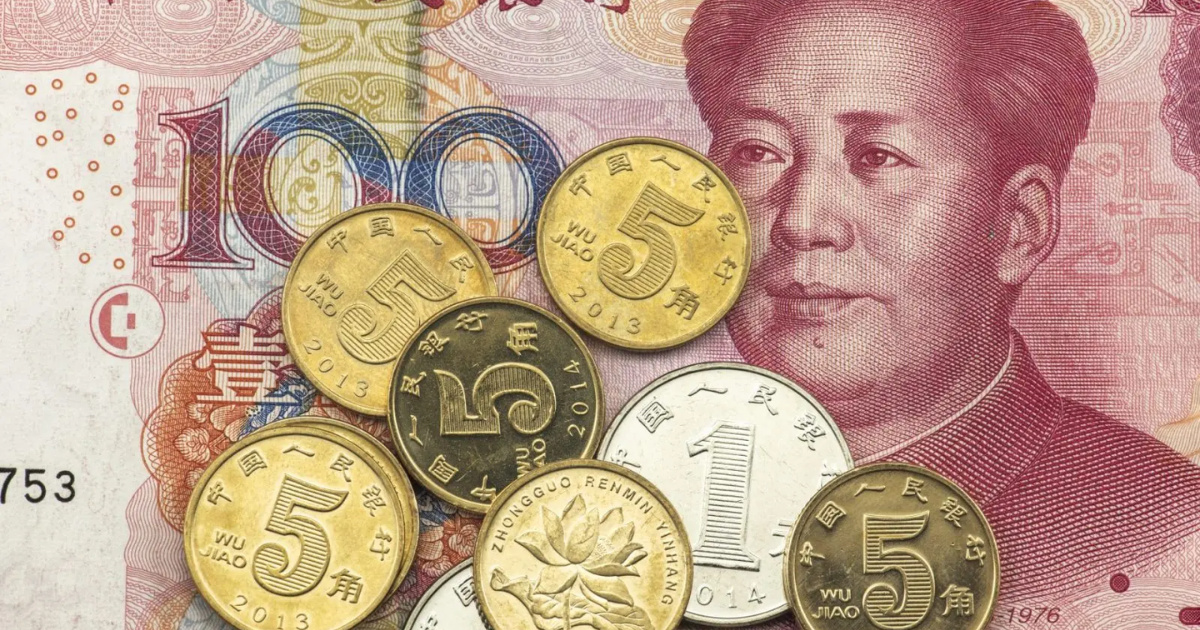
Yuan Grows with Support from China
The demand for loans in yuan is particularly rising in countries with projects funded under the Belt and Road Initiative, a program of approximately US$ 1.3 trillion aimed at infrastructure.
Although there are no consolidated statistics for new debts in renminbi — as they are largely handled in bilateral agreements — two cases have recently stood out.
In Kenya, the Treasury reported in August that it is negotiating with the China ExIm Bank to convert to yuan the payments of a dollar loan linked to a US$ 5 billion railway project, which weighs on the budget.
In Sri Lanka, the president informed Parliament that the government is seeking yuan loans to complete a strategic highway, after the 2022 default halted construction and restricted access to traditional financing.
For Thilina Panduwawala, an economist at the Colombo-based Frontier Research consultancy, “the cost of financing may be the reason for the conversion to yuan,” referring to the difference in interest rates.
The 7-day reverse repo rate in China stands at 1.40%, well below the U.S. range.
Swiss Franc Becomes a Cheap Alternative
Meanwhile, the Swiss franc has reemerged as a source of cheap credit. The Swiss National Bank cut its policy rate to 0% in June, reducing the cost of borrowing in Swiss francs.
The Panama contracted the equivalent of almost US$ 2.4 billion in Swiss franc loans from the banking network in July, as a strategy to tackle the deficit and preserve the investment grade.
According to the Finance Minister, Felipe Chapman, access to cheaper lines has generated savings of over US$ 200 million compared to dollar issuances, with currency protection to mitigate fluctuations. Colombia is also moving in this direction.
Last week, a consortium of banks launched a debt buyback offer for Colombian bonds at a discount — a step seen by investors as part of a structure to facilitate a loan in Swiss francs, using existing debt as collateral.
The Ministry of Finance had indicated in June that it intends to diversify external debt beyond the dollar.
Andres Pardo, chief strategist for Latin America at XP Investments, estimated that Colombia could raise rates of around 1.5% in Swiss francs to repurchase dollar debts with yields of 7% to 8%, in addition to peso bonds paying up to 12%.
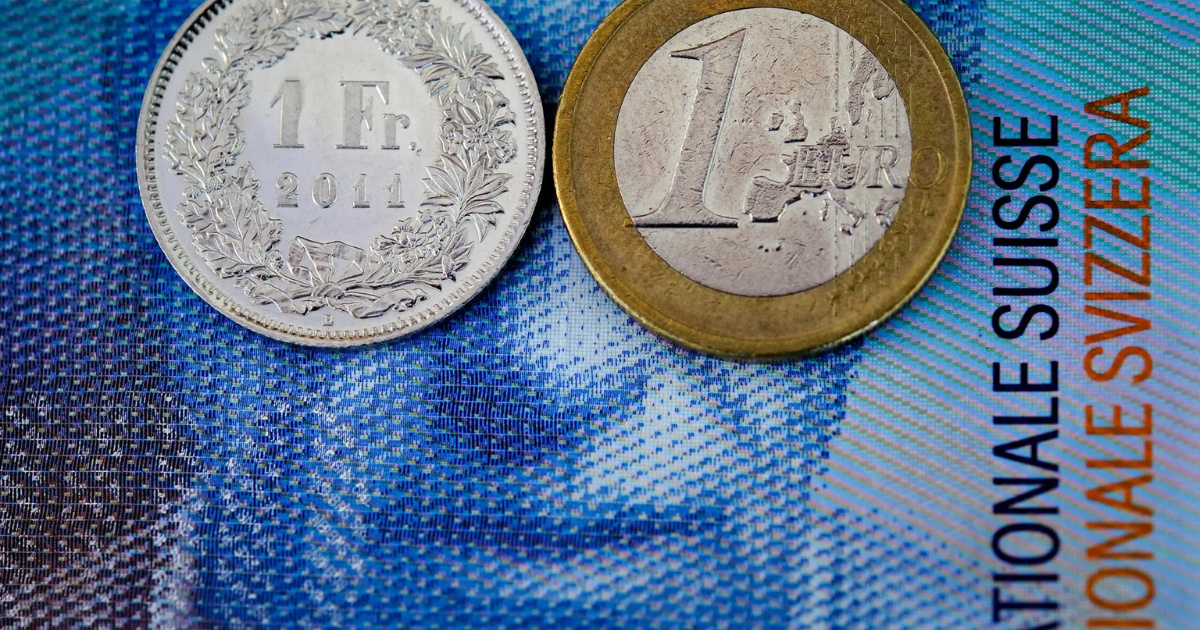
Currency Risks Remain
The migration to lower interest currencies reduces the interest bill in the short term, but does not eliminate currency risks.
Many governments have revenues in dollars — or in local currency — and, when taking on debt in yuan or Swiss francs, need to hedge to protect against unexpected depreciations.
This additional cost can erode part of the benefit of borrowing cheaply. There is also skepticism about the structural reach of the yuan.
Yufan Huang, a researcher at the China-Africa Research Initiative at Johns Hopkins University, asserts that progress remains limited: “even now, when yuan rates are lower, many borrowers remain hesitant.” According to him, operations continue to happen on a case-by-case basis, as in the case of Kenya.
Dollar Remains the Central Market
Investors observe that, although issuance in Swiss francs and loans in yuan ease cash flow for stressed countries, this route does not replace access to the robust public bond market in dollars.
“These are useful measures to clear maturity profiles,” said a fund manager for emerging market debt, noting that the reopening of dollar markets remains essential for long-term financing.
The history helps explain the current moment. Many loans from the 2010s linked to the Belt and Road Initiative were made in dollars, when U.S. interest rates were low.
With recent increases, costs have risen and the search for diversification has intensified — including debt swaps, buybacks, and bank borrowings in alternative currencies.
Companies Follow the Same Path
The momentum is not limited to governments. Emerging Market Companies have expanded this year the issuance of bonds in euros, which reached US$ 239 billion by July, a record in the series cited by international banks.
Still, the stock of corporate bonds in dollars from emerging markets remains dominant, around US$ 2.5 trillion, showing the resilience of the market anchored in the American currency.
The Future of Financing in Alternative Currencies
As long as interest rates in the U.S. remain high and the Treasury curve maintains a steep inclination, the arithmetic favors lower-cost currencies.
On the other hand, currency volatility, liquidity, and the need for hedge impose brakes and remind that “cheap” solutions carry their own risks.
In this scenario, the central question becomes: is this merely a tactical relief or are we witnessing the beginning of a structural shift in how emerging markets finance their external debts?







Calote certeiro pra quem pegar o yuan como “rota de fuga”, com desculpa de menores taxas. O preço a pagar é inevitável, pois o barato vai sair cada vez mais caro.
Ao mesmo tempo em que Dinald Trump tenta se impor para o mundo, poderá estar desestabilizando o dolar nessa guerra comercial com varias economias do planeta, contudo, ainda assim, o dolar é uma moeda tão forte que, certamente, resistirá a essa turbulência pelo menos até a chegada do novo presidente dos Estados Unidos. Assim espero!!
Muito interessante sobre promessa de financiamento em Yuan com taxas muito competitivas em confronto com os financiamentos em usd, mas a cautela de um novo player.