





 Portuguese
  English
  Spanish
  3 min of reading
  0 comments


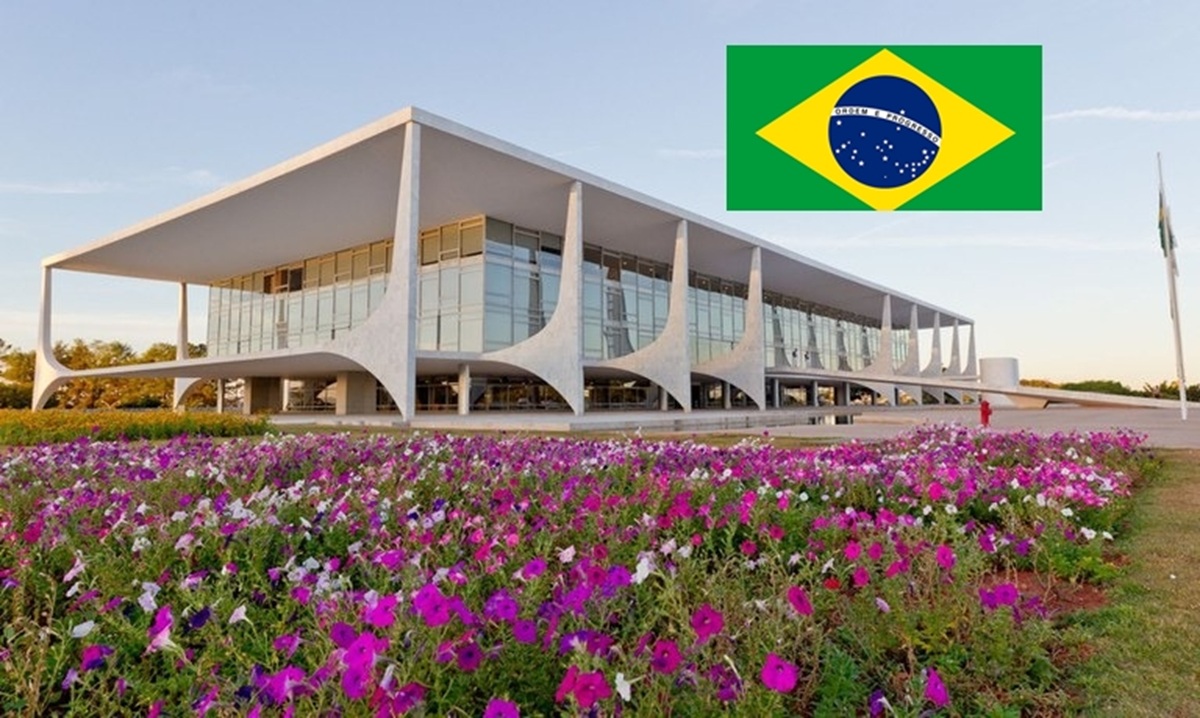
With Light Architecture And Columns That Seem To Float, The Palácio Do Planalto Is The Center Of Political Decisions In Brazil Since 1960. Designed By Oscar Niemeyer, It Combines Modernist Elegance, Institutional Symbolism, And Monumental Structure At The Heart Of Brasília.
Since the inauguration of Brasília on April 21, 1960, the Palácio Do Planalto has become one of the most emblematic landmarks of Brazilian architecture and national political power. Official Seat of the Presidency of the Republic, the building represents not only the strength of the Executive but also the modernist vision that guided the construction of the new capital. Designed by Oscar Niemeyer, the palace is a clear example of the harmony between functionality, aesthetics, and political symbolism.
Impressive Dimensions And Bold Structure
Located in the Praça Dos Três Poderes, next to the National Congress and the Federal Supreme Court, the Palácio Do Planalto has around 36,000 square meters of built area, including annexes and underground facilities. The main building has four floors above ground and one underground floor, arranged to serve different administrative and ceremonial functions.
The building’s structure was carefully planned to convey lightness and elegance. The main blocks measure approximately 265.50 meters in length by 45.54 meters in width and are supported by slender columns that create the sensation that the building “floats” above the ground. This refined aesthetic is one of the hallmarks of Niemeyer’s architectural style, which always sought to associate monumentality and poetry with his works.
-
A mother who worked as a recycler took money from her own food to put credit on her daughter’s broken-screen cell phone; now Débora has been accepted into medical school at two universities and wants to save hearts in the operating room.

-
A property that once had more than 1,000 hectares now operates with 73 hectares and invests in coffee, cattle, photovoltaic energy, and hydroponic corn to prove that a small farm can also be profitable.

-
Four thousand PET bottles became a 24m² house in the interior of São Paulo, as ten students proved that it’s possible to build a home from floor to ceiling with recycled plastic, spending 30% less than a brick construction.
-
Without ATMs, with social networks blocked and travel controlled by the government, Eritrea challenges the modern world and reveals why it is called the “North Korea of Africa.”





History And Political Importance
The construction of the Palácio Do Planalto began on July 10, 1958, during the government of Juscelino Kubitschek, who envisioned the transfer of the federal capital to the center of the country. The aim was to boost the development of Brazil’s interior and symbolize a new political and economic era. Before the completion of the work, the seat of the Executive temporarily operated in the Palácio Do Catetinho, a wooden structure quickly erected to house the president and his team during the construction of Brasília.
With the inauguration of the Planalto, the Presidency of the Republic came to occupy a definitive space that, in addition to housing the presidential offices, became the stage for important official ceremonies, such as inaugurations, speeches, and receptions of heads of State. Over the decades, the palace witnessed the most significant moments in Brazilian political history, from periods of democratic stability to institutional crises.
Architectural Details And Modernizations
One of the most iconic elements of the Palácio Do Planalto is its water mirror, installed in 1991 at the main facade. Besides enhancing the aesthetic of the architectural ensemble, it helps control the humidity during the dry periods typical of Brasília’s climate. Another highlight is the heliport, located to the north of the building, which facilitates the arrival and departure of authorities at official events.
The building underwent a major renovation between 2009 and 2010, modernizing the entire electrical, plumbing, and air conditioning infrastructure, in addition to restoring the original facade and reorganizing the internal spaces. These improvements ensured the preservation of Niemeyer’s original design while adapting the building to contemporary technological and security requirements.
Symbol Of Power And Modernity
More than an administrative building, the Palácio Do Planalto is an icon of modern Brazilian architecture and a symbol of national political power. Its architectural conception, based on lightness, elegance, and integration with the urban environment, reflects the innovative spirit that marked the construction of Brasília. At the same time, its institutional function reinforces its central role in the decisions that shape Brazil’s destiny.
With its 36,000 m², elegant columns, and history linked to the birth of the federal capital, the Palácio Do Planalto remains one of the most representative buildings in the country — a unique fusion of art, politics, and national identity.


-

-

-

-

-

14 people reacted to this.