Portuguese
  Spanish


Whether or not, all peoples in the world have no other way: to direct their actions according to the indicators of environmental, social, and governance (ESG) themes to continue breathing. After all, more than achieving the dream of sustainable finance, people and organizations will need to constantly review the political risks and values of their activities, which must be consistent with the values proposed by renewable energies.
Only in this way will your production be better valued, larger audiences will be reached, and they will certainly be more engaged, and in the expected algorithms. Otherwise, it will all amount to a mere script for a good Netflix series. It is necessary to approach this mission as a practice of investment for achieving success.
The climate changes, more than an environmental crisis, now also represent a moral crisis. But you can look at biodiversity and nature as a glass half full and see investment opportunities within them. Challenging, yet the only way for people and companies to take seriously the transition that needs to be made to address the issue of decarbonization.
This is because biodiversity and ecosystem services are already a standard of sustainability today and, starting in 2023, will be even more so. The use of renewable energy is part of this perspective as a value chain, as it is an essential mechanism for reducing the negative impacts that company activities have on biodiversity, and beginning to enter the win-win game.
-
Brazil Aims to Become a Global Exporter of Green Hydrogen, the Clean Fuel Set to Generate Billions

-
Brazil to Hold First Offshore Wind Energy Auction, Aiming to Become the Country’s New Hydropower
-
Brazil to Hold First Auction for Batteries to Store Solar and Wind Energy from the Northeast
-
Brazilian scientists are simultaneously advancing two research projects on clean hydrogen and driving solutions that could transform the energy matrix, enhance industrial competitiveness, and accelerate large-scale emission reduction targets.

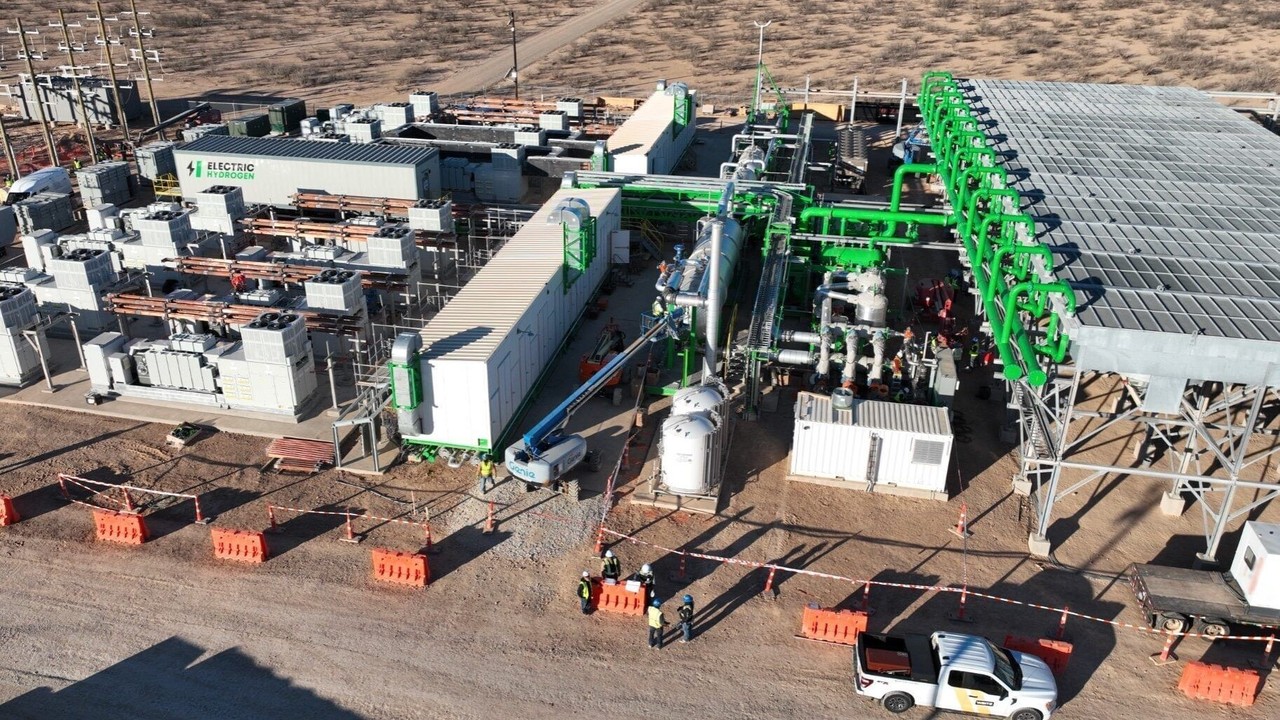

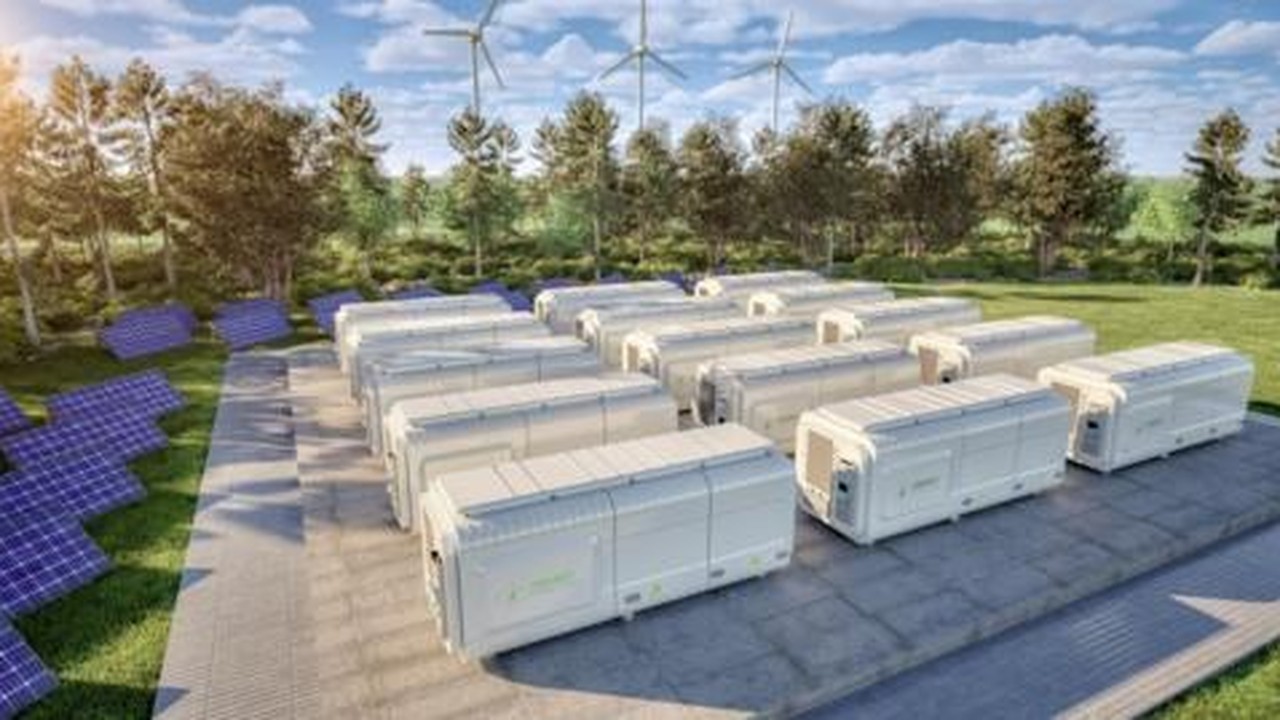

And while civil society and politicians fail to reach a consensus in their climate conferences, it is up to companies to think more rationally about how to resolve this dichotomy: Decarbonization, sustainability, the use of renewable energy versus sustainable finance, in 2023, in 2030, in 2100. It is not simple, but it is possible, by thinking in a high-level oriented adaptation. Rethinking organizational structures and contexts is essential for achieving credibility, from small sectors to their geographical expansions, their asset classes, and their business units.
This makes it possible to start thinking about planetary well-being, transition and climate technology to meet ESG logistics. And instead of thinking about reinventing the wheel, look for alternatives and technologies that have already been developed. It is the easier path, as many solutions for reducing pollutant emissions are already available.
And do not despair, for there is indeed still much to be regulated regarding the use of sustainable energy to ensure the sustainability of finances, whether individual or corporate. Joint initiatives will strengthen, individual initiatives will stand out, and both will also fail. It is about thinking of a mechanism where the goal is absolute reduction and, in the meantime, reducing the intensity of the activity you carry out in terms of carbon in the atmosphere.
This is the way forward, and it is becoming increasingly natural, especially as it has been shown to be the only one through which companies and investors can truly be called sustainable. Regardless of the implementation of policies or regulations, for the rules to change, it is necessary to focus on changing outcomes.