





 Portuguese
  English
  Spanish
 2 min of reading


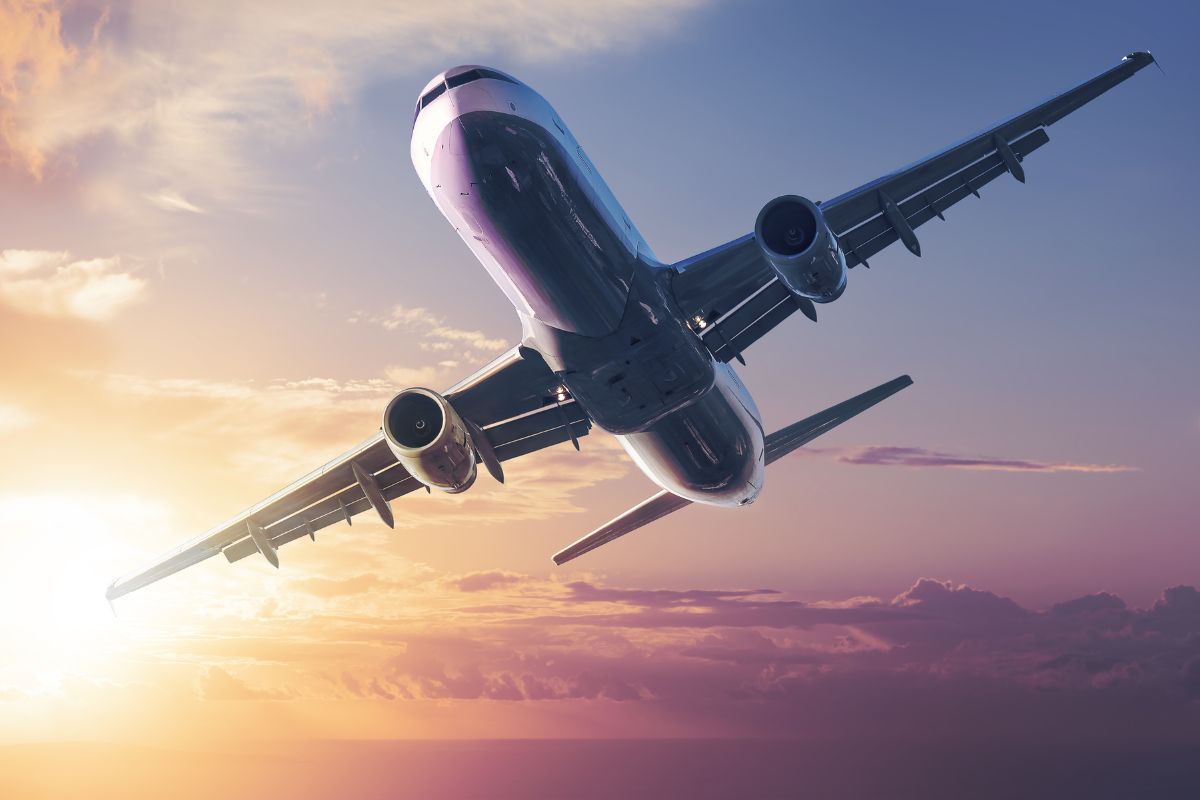
In 2014, the company faced a huge problem: delivering Kindle devices before Christmas. They hit a dilemma: there was no ground or air transportation available, and even for short distances, the company was encountering difficulties. The executives, alarmed by the situation, decided to create their own aviation fleet, and thus, Amazon conquered the skies of the world.
Although Amazon had spent the previous year improving its sorting centers and expanding, they still needed to rely on FedEx and UPS for their deliveries. At the time, it was already clear that these companies were unable to keep up with the delivery pace of the retail giant, and Jeff wanted to honor his promise to deliver in up to two days at all costs.
Realizing they needed to have more control over their deliveries, Dave Clark, head of global operations, instructed his transportation team to procure some aircraft. They quickly reached out to various industries to charter some planes, ensuring that in the following years they would not suffer from delivery delays.
Amazon Buys Own Fleet with Eleven Boeing Airplanes – CNN Brazil Business


The Amazon achieves the impossible in the aviation world: creates its own fleet and drastically reduces its dependence on UPS and FedEx.
-
Argentina confirms Belgian giant to lead strategic Paraná River waterway and promises to reduce logistical costs on one of South America’s most important routes

-
Brazil has lost 85 air routes since 2019 and is still flying less than before the pandemic, leaving passengers with fewer destinations, fewer frequencies, and a more limited air network.

-
MBRF surprises the logistics sector by demonstrating how Artificial Intelligence can directly influence deliveries throughout Brazil by reorganizing distribution routes in seconds, optimizing fleet usage, reducing logistics costs, and speeding up product arrivals even in the face of unforeseen road incidents.
-
With deep ports and strategic railway, Espírito Santo advances to compete with Santos and attract foreign trade cargo.
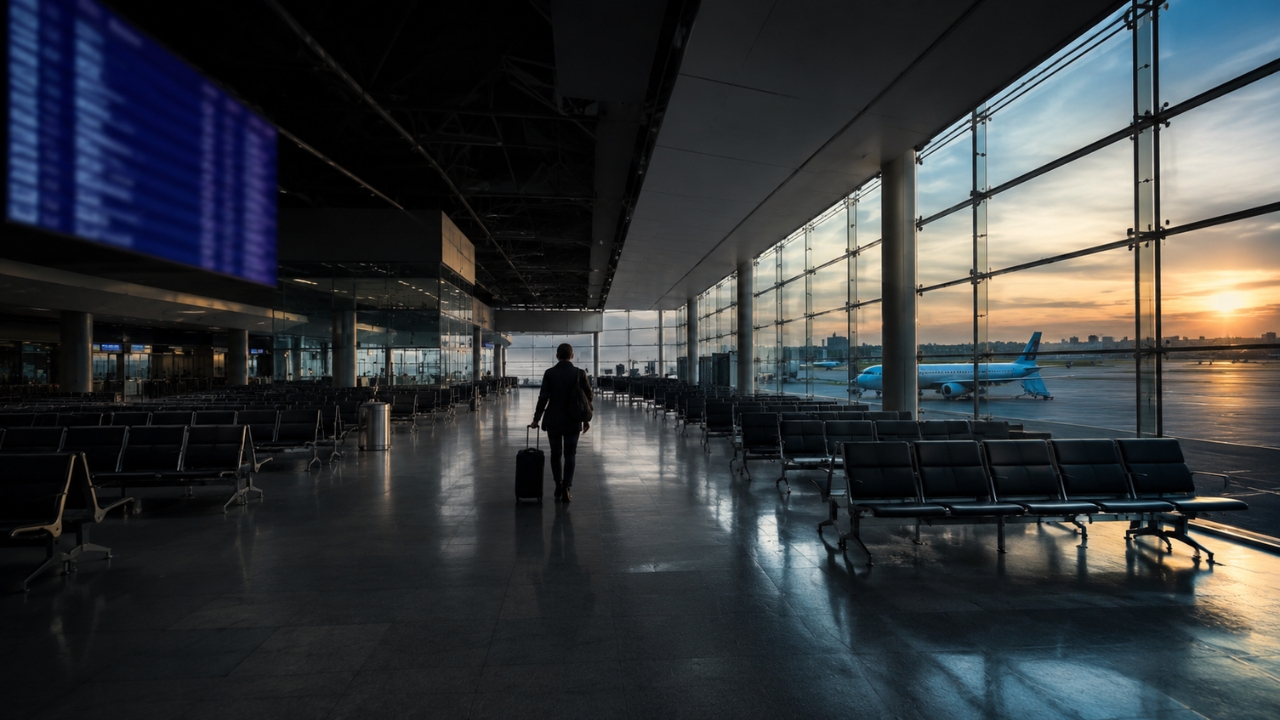

The company now owns 11 aircraft and leases over 100 planes, operated by 7 air carriers, which make more than 200 flights per day across 71 airports, including a European hub near Leipzig, Germany. Definitely, Amazon has conquered the skies.
Just last year, the retailer opened a $1.5 billion air hub at Cincinnati/Northern Kentucky International Airport (CVG), one of the largest financial investments in the company’s history.
The story of Amazon Air, as it was called, demonstrates how far the company is willing to go to keep its promise. However, it’s not all smooth sailing in the paradise of the retail giant. A little over a year after the Kindle Crisis, Bezos gathered part of his team, the one he trusted the most, to deliberate on the future of Amazon Air. From now on, more serious decisions needed to be made for the company to maintain control over its deliveries.
Amazon recruited FAA-certified carriers to pilot the planes they leased or even owned. The big idea is that, this way, Amazon avoided hiring pilots directly, sidestepping bureaucracies and negotiations with unions. Therefore, more time was left for what really mattered: increasing productivity and speeding up deliveries.




Be the first to react!