






 Portuguese
  Spanish


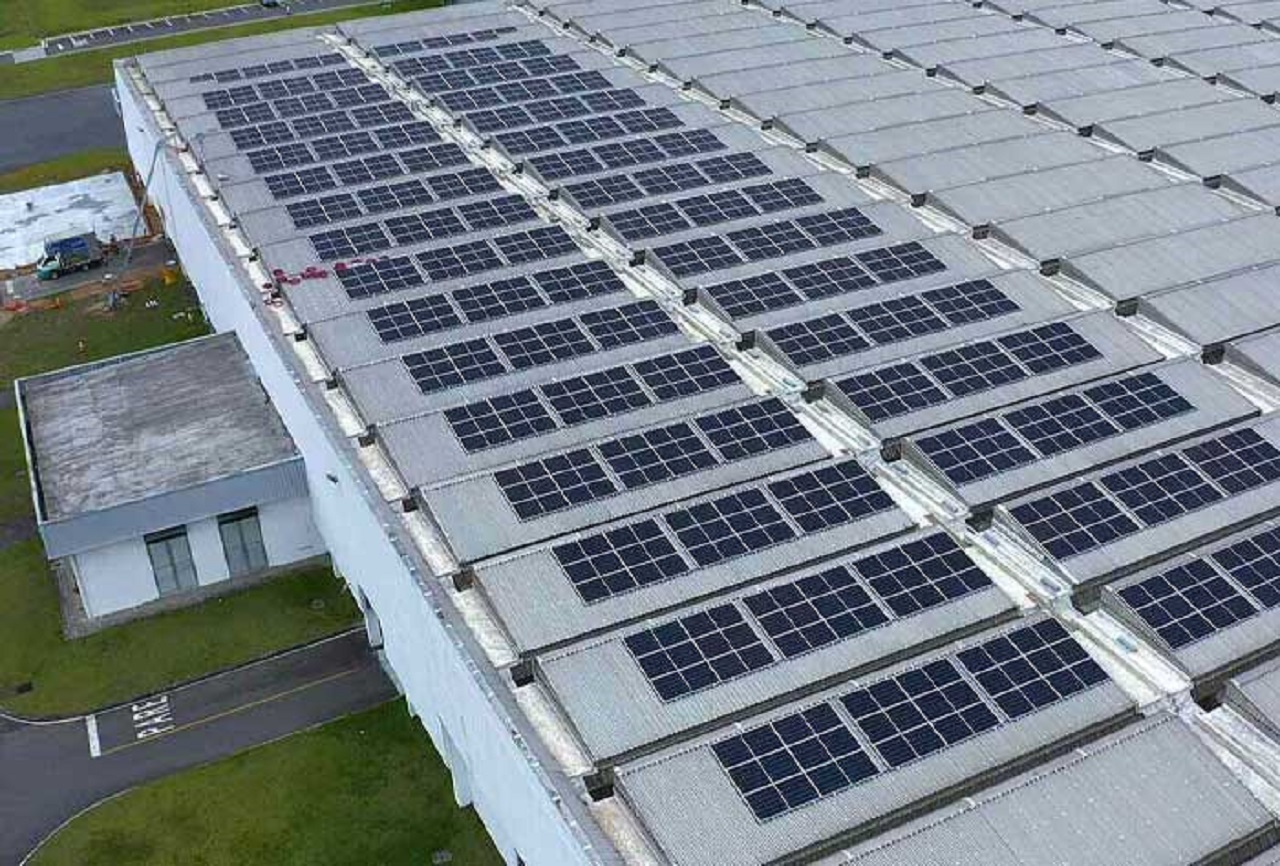

BMW Continues to Invest in Renewable Energy to Reduce Pollutant Emissions in Its Production. Now, Its Factory in Santa Catarina Has Over 1000 Solar Panels Capable of Generating 600 MWh Per Year
Continuing with practices aimed at sustainability, BMW’s factory in Araquari, Santa Catarina, now has new solar panels to generate even more renewable energy. The panels occupy part of the roof of the Assembly and Bodybuilding building. Since the beginning of this month, BMW’s factory in Santa Catarina has added 500 more solar panels, totaling 1,082 panels.
Read Also
BMW Unit Reduces Pollutant Gas Emissions During Vehicle Production
From now on, the area of 2,543 m² will have the capacity to generate 600 MWh of renewable energy annually. The solar panels began to be installed at the BMW unit in 2020 and, with this expansion, is expected to reduce the emission of approximately 157.2 tons of carbon dioxide (CO2) per year, occupying only 5% of the roof of the Assembly building.
Additionally, the factory in Santa Catarina is also following the BMW Group’s global goal of reducing carbon dioxide emissions. The company has already achieved one of the goals that were to be met by 2030: an 80% reduction in CO2 emissions per vehicle produced.
-
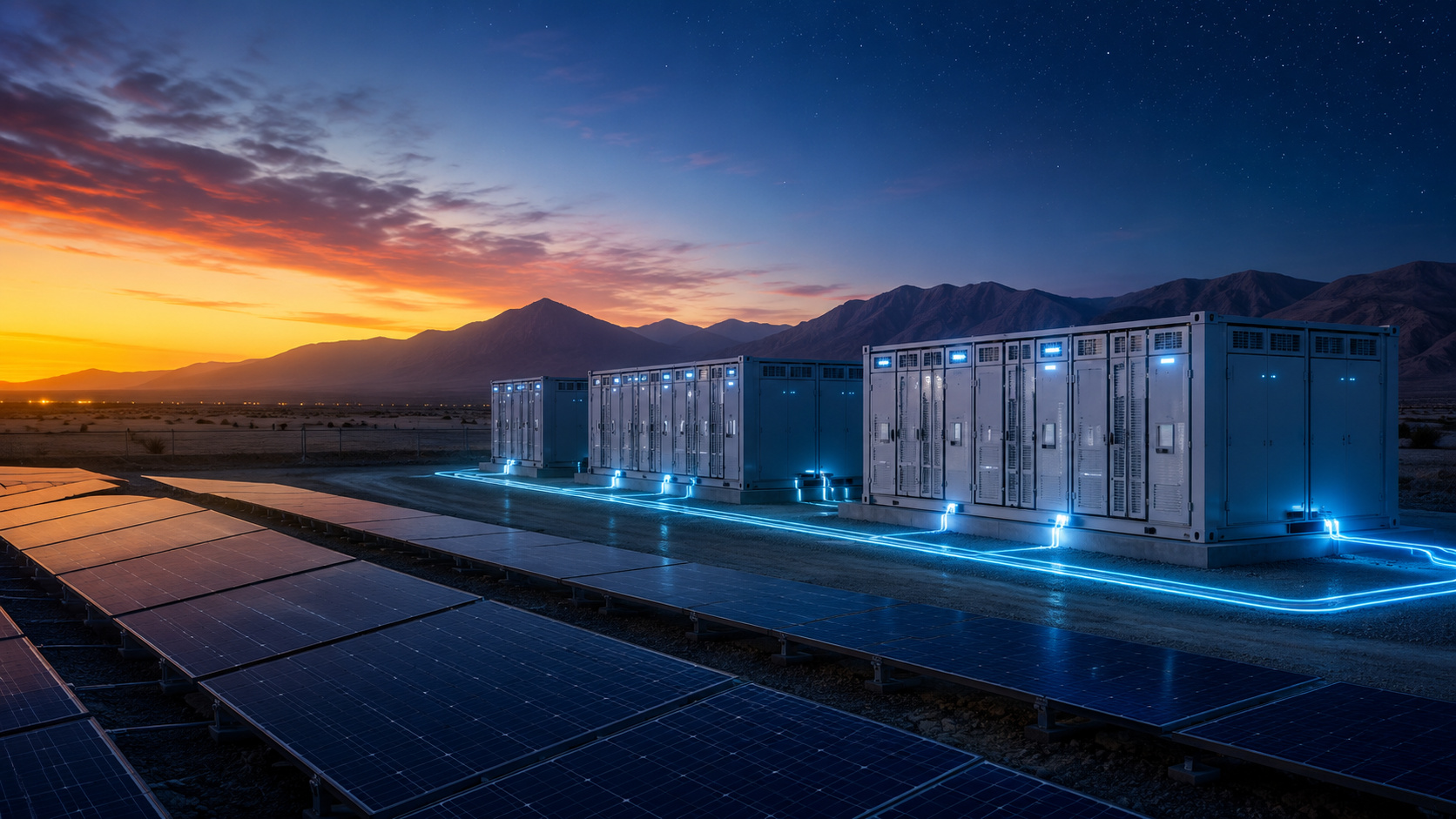
Giant Batteries Take Center Stage in Chile Auction as Company Offers 960 GWh of Solar Energy for Nighttime Use, Aiming to Stabilize Solar Power Supply

-
1983 Chevrolet Runs Over 100,000 km Without Gasoline, Powered by Wood Chips, Reaches 125 km/h in Airport Test
-
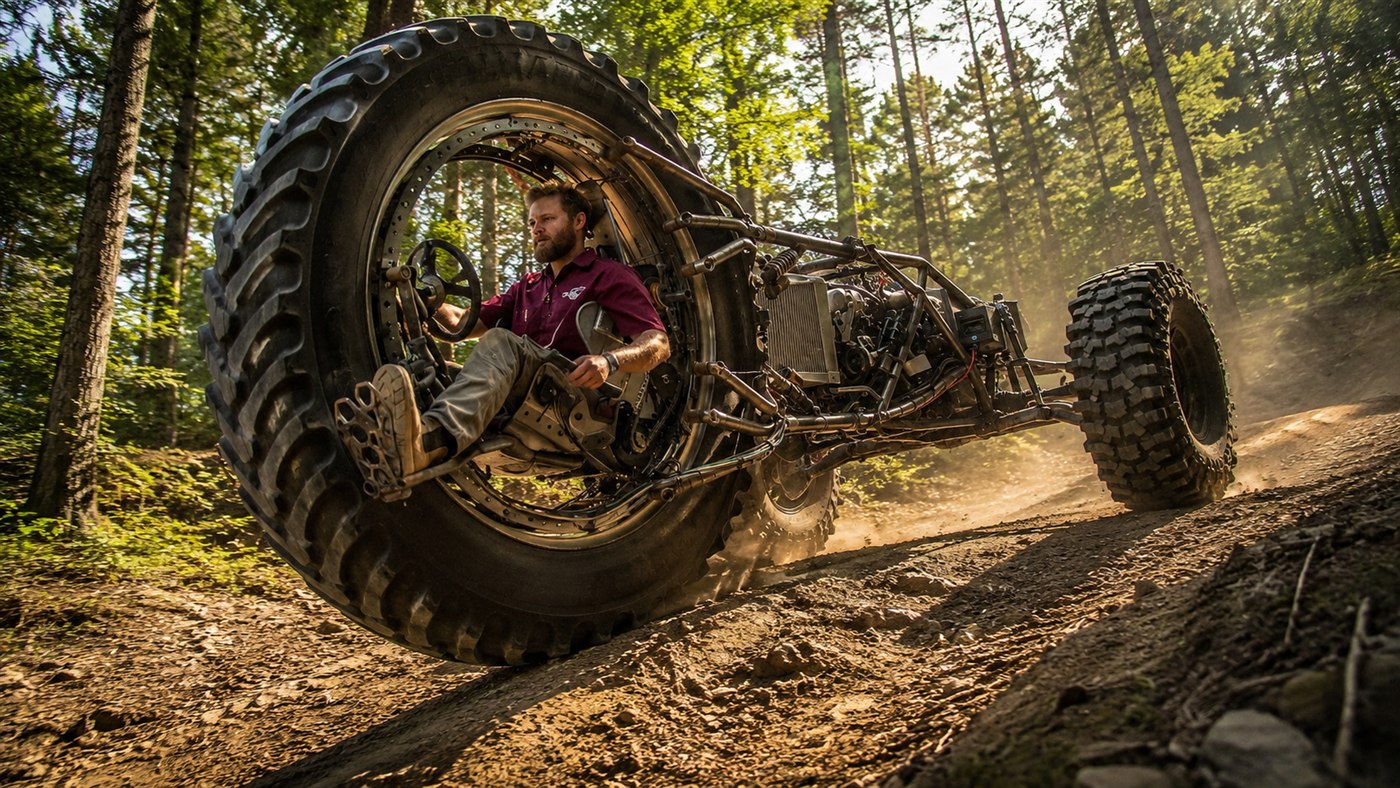
Workshop Converts Giant Tractor Tire Tricycle into a Three-Wheel Drive Hybrid with 36,000-Watt Electric Motor Capable of Climbing Hills

-
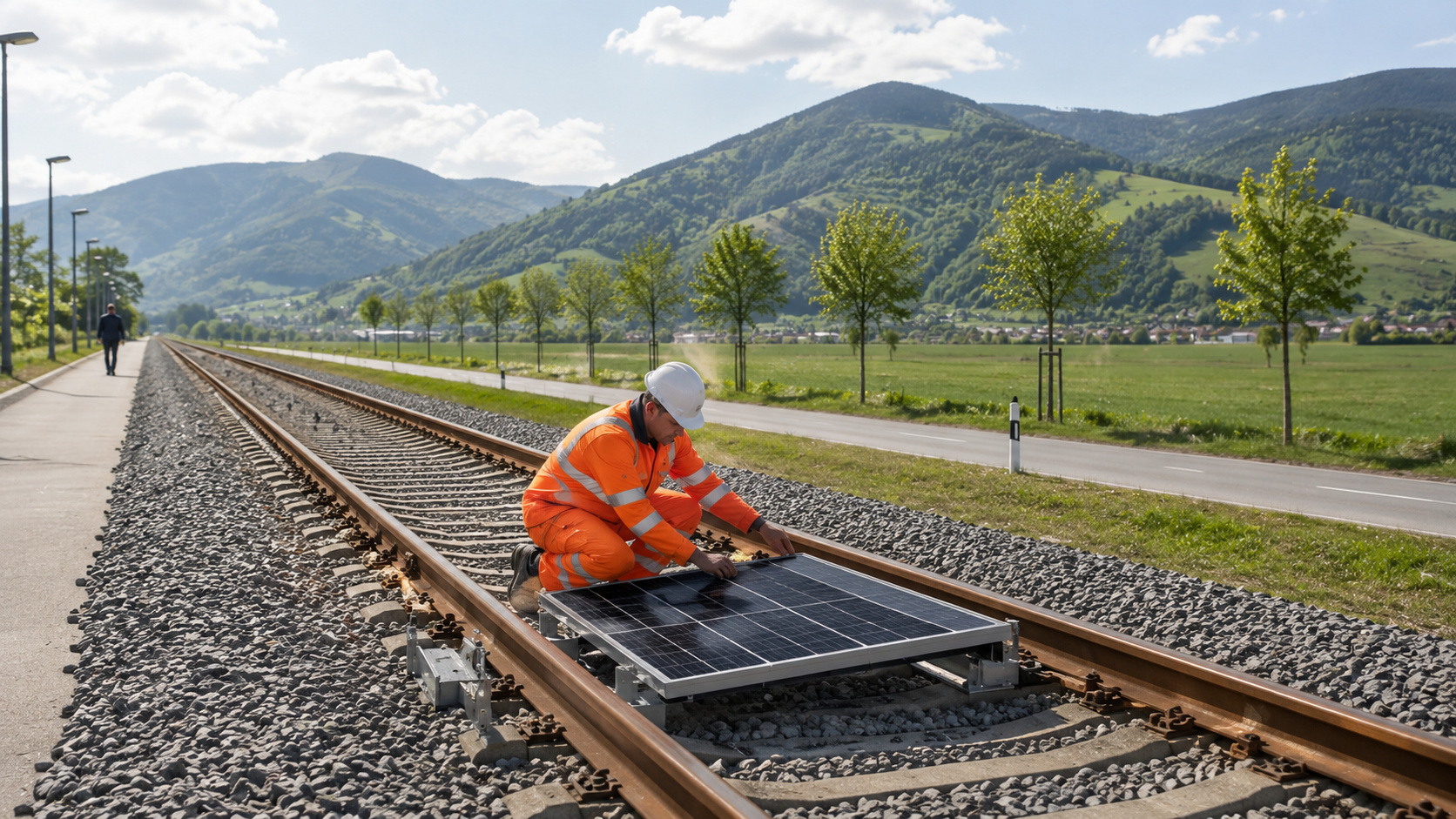
After a Year of Success in Switzerland, Solar Railway Attracts Italy’s Interest for Clean Energy Transformation

It is also on the automaker’s agenda to reduce pollutant emissions by 20% per vehicle in the production chain and by 50% during the use phase of the models. The increase in the number of solar panels in Santa Catarina is also not ruled out.
BMW Will Continue to Expand the Number of Solar Panels for Renewable Energy Generation
According to Otávio Roadacoswiski, General Director of the BMW Group factory, sustainability has always been an authenticity in the production of vehicles at the Santa Catarina unit, and the company will continue to expand the focus of its activities based on renewable energy.
The company now plans to proceed with the expansion of the installation of new solar panels and increase the use of renewable energy at the factory. According to Vivaldo Chaves, Sustainability and Infrastructure Director of the BMW Group in Brazil, sustainability is the company’s commitment. Therefore, all of the group’s units in the country, whether the car unit in Santa Catarina, the motorcycle unit in Manaus, or the BMW offices in São Paulo, use renewable energy or offset pollutant gas emissions, and the company will continue to strengthen its commitment to the environment.
Beyond Renewable Energy: BMW Factory Reduces Water Consumption by 41%
The BMW unit in Santa Catarina already consumes electricity from a renewable source, reducing pollutant emissions during its activities through an instrument for compensating energy consumption from polluting sources, known as I-REC certification.
In addition to constantly monitoring the fauna and flora around the factory site, there are several projects aimed at reducing energy, emission of waste for disposal, and even water. Since the beginning of its operations in 2016, energy usage has been reduced by 33%, waste disposal by 87%, and water consumption by 41%.







