






 Portuguese
  Spanish


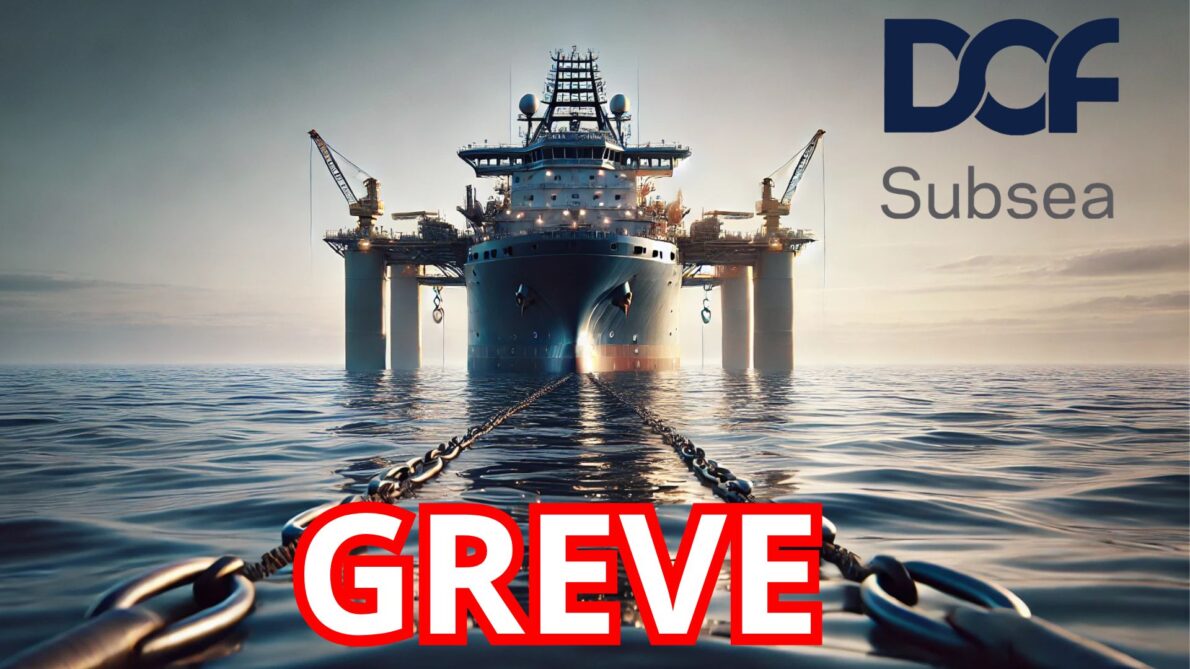

24-Hour Strike at DOF Offshore Begins With Salary and Benefits Demands – What Is at Stake?
Starting at midnight on Thursday, October 11, 2024, the workers at DOF Offshore, one of the largest vessel operators in the oil and gas sector, began a 24-hour strike that has caused significant impacts. The stoppage involved several categories of essential workforce in the company’s offshore operations, and it may extend if demands are not met.
Below, you will understand what motivated the stoppage, what the main demands of the workers are, and which vessels are affected. We will also look at the impact on the sector and what may happen in the coming days if the situation is not resolved.
Summary of the DOF Offshore Strike: Motivations and Consequences
The strike was triggered precisely at 00:00 on 10/11/2024 and continued until 23:59 of the same day, according to the time established by laws governing maritime worker categories in Brazil. The stoppage involves Sailors, Ordinary Seamen, Cooks, and Stewards who work on various vessels in the DOF Offshore fleet.
-
Oil production grows in Rio, but reserve replacement raises a warning sign

-
Petrobras is expected to complete the drilling of the Morpho well in the Foz do Amazonas in August 2026, the first well in the Equatorial Margin, an oil frontier that the ANP estimates at more than 30 billion barrels and could redraw the map of Brazil.

-
Oil returns to the center of concerns with tension between the US and Iran

-
IEA reduces forecast for global oil demand in 2026 after impacts of the Middle East crisis


Main Demands of the Workers:
- Salary Discrepancy: Workers claim their salaries are outdated, without adjustments proportional to inflation.
- Bumping Bonus: A bonus required for professionals operating loading and unloading pumps, a critical task on offshore vessels.
- Extra Meal for the Catering Staff: A specific request from the internal support and services sector of the vessel, aiming for improvements in onboard food conditions.
- Anchor Handling Bonus: A financial addition requested for workers responsible for launching and operating anchors, a task that involves great responsibility and technical skills.
This stoppage is the first measure taken by the workers. If the demands are not met by the company, a new strike period is already planned, this time lasting 48 hours, which will bring even more challenges for DOF and the oil and gas sector.
Which Vessels Are Affected? The Impact on the Offshore Sector
The strike directly affected 16 vessels from the DOF fleet, some of which were already in scheduled downtime for maintenance. Below is the complete list of impacted ships, highlighting those that were already out of operation partially or entirely:
- Skd Rio
- Skd Angra (stopped in downtime)
- Skd Iguaçu
- Skd Botafogo
- Skd Amazonas (stopped in downtime)
- Skd Urca
- Skd Paraty
- Skd Búzios
- Skd Recife
- Skd Olinda
- Skd Niterói
- Skd Achiever
- Skd Strill Explorer
- Skd Geoholm
- Skd Ipanema
- Skd Chieftain
The partial stoppage of these vessels can directly affect essential operations such as drilling, platform maintenance, and transportation of supplies, harming the productive chain of the oil and gas sector, especially in the Campos Basin and Santos Basin, where DOF Offshore operates.
Scheduled Downtime and Operational Effects
Downtime refers to a planned period when vessels are out of operation for maintenance or technical adjustments. Although some of these vessels are already in downtime, the strike further complicates the resumption of activities. In strike situations, minimal operation is maintained to ensure the safety of the vessels, but productivity is severely reduced.
The Strength of the Strike: Demands That Could Change the Game
The main objective of the strike was to draw attention to the salary discrepancy that workers have faced for years, without adjustments compatible with inflation and current economic conditions. Additionally, there are specific demands related to working conditions, such as bonuses for essential operations and improvements in the onboard environment.
Salary Discrepancy: An Urgent Issue
The workers’ main complaint is the salary discrepancy. According to unions, sailors, ordinary seamen, cooks, and stewards are facing an erosion of their salaries, which reduces their purchasing power and affects the quality of life for their families.
This mismatch with inflation generates dissatisfaction not only at DOF but throughout the navigation and offshore sector. According to union representatives, without a proper adjustment, employee turnover is likely to increase, directly impacting the efficiency of offshore operations.
Special Bonuses: A Fair Demand?
Workers are also seeking specific bonuses for critical tasks, such as bumping and anchor handling. These operations involve a high level of responsibility and operational risks. Therefore, the categories demand additional financial compensation for these activities, as well as an extra meal for the catering staff, improving working and food conditions onboard.
What Happens If the Strike Continues?
If negotiations between DOF Offshore and the workers do not progress by the end of the 24-hour strike, a new stoppage period is already planned. This new action will last 48 hours, and according to union communication, it will be triggered in the coming days if no agreement is reached.
This new stoppage period would bring even more severe impacts for DOF, which is already facing difficulties with a significant number of partially halted vessels. Additionally, the production of oil and gas in Brazil, especially in the areas operated by the company, could be affected.
Possible Solutions and Future Scenario
The resolution of the strike directly depends on DOF Offshore’s willingness to negotiate with the workers and meet, at least partially, their demands. So far, the company has not officially commented on the strike movement, which raises further doubts about the future of negotiations.
On the other hand, unions have shown openness to dialogue but emphasize that the lack of a solution may lead to new stoppages, resulting in significant losses for both the company and the country’s economy, especially in the strategic energy sector.
Impact on the Oil and Gas Market
The strike at DOF Offshore is not an isolated event; it occurs at a time of rising tensions in the oil and gas sector. With the volatility of international oil prices and high demand for fuels, any stoppage in the production chain can affect the Brazilian economy, especially concerning offshore production.
Brazil, being one of the largest offshore oil producers in the world, may suffer significant impacts from prolonged stoppages, such as a reduction in exports and even the need to import derivatives to meet internal demand.
The Offshore Sector on Alert
The 24-hour strike initiated by DOF Offshore workers highlights the urgent need for salary review and improvements in working conditions for professionals operating vessels. The stoppage of 16 ships is already causing concerns in the sector, and the risk of a larger strike exacerbates the situation.
It remains to be seen how the company will address these demands and whether it can avoid a new stoppage, which could cause even greater damage. Stay tuned for the next chapters of this story that could impact the oil and gas sector across Brazil.









Esse pessoal reclama de barriga cheia, um cozinheiro na dof ganha sete mil por mês, e ainda tá pouco? fora cartão de alimentação e ajuda de custo, bota todo mundo para fora e coloquem quem realmente precisa trabalhar.
Tá pouco sim, seu pelêgo puxa saco de patrão
Deveriam fazer uma matéria sobre a situação atual da empresa Galáxia Maritima SA.
É catastrófico!
Parabéns pela atitude desses trabalhadores, só eles sabem o que eles passam embarcado.