






 Portuguese
  Spanish
 4 min of reading
  0 comments


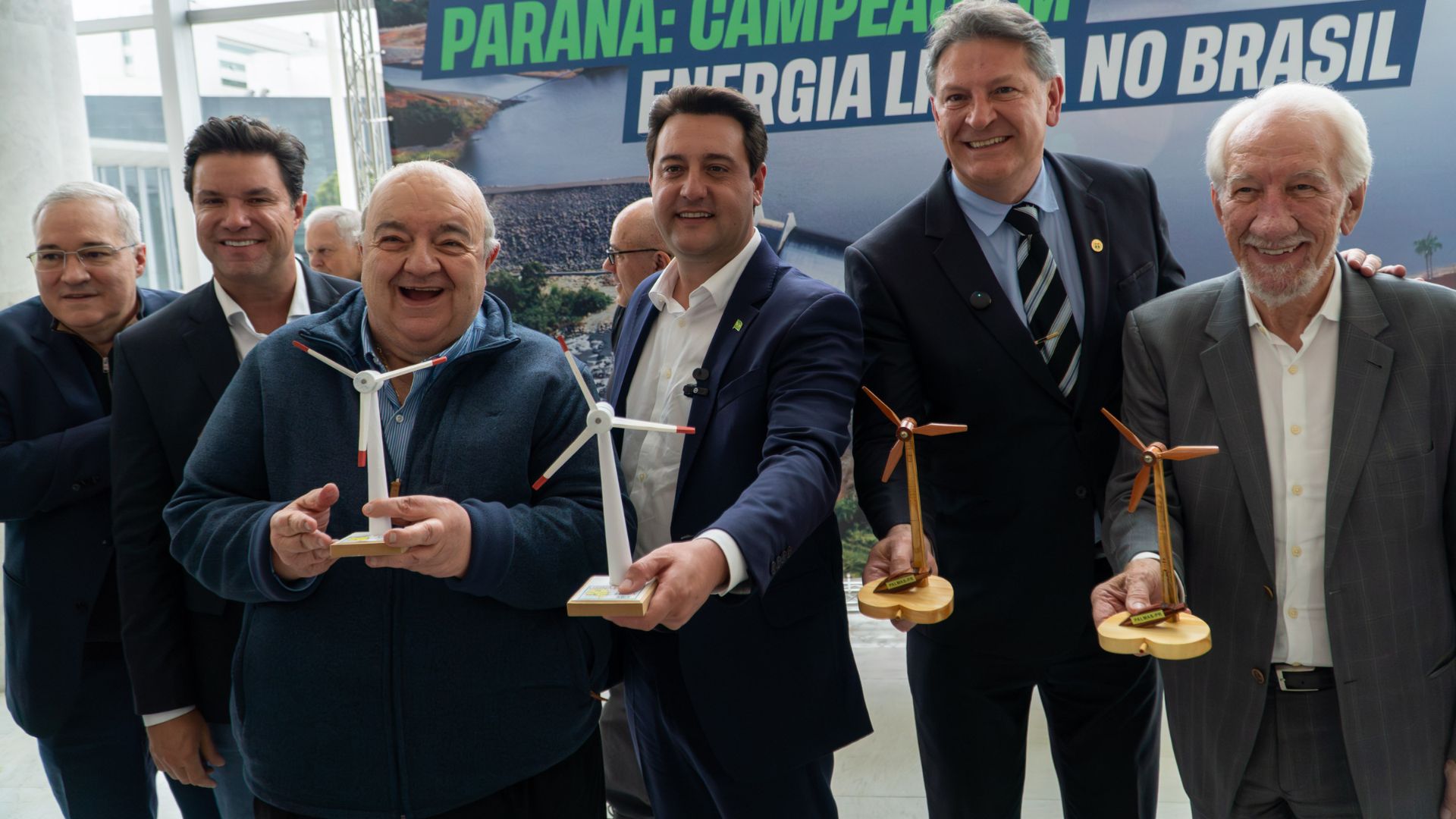
The Palmas II Wind Complex Receives License in Palmas (PR), Marking an Investment of R$ 3.5 Billion in Renewable Energy in Paraná and Reinforcing the State’s Clean Matrix
On October 4, 2025, the Government of Paraná officially issued the Installation License (LI) for the Palmas II Wind Complex, located in the municipality of Palmas in the Southwestern region of the state. According to a report published by the state on Tuesday (7), the project, which represents one of the largest private investments in renewable energy in Brazil, will feature 72 turbines with a height of 160 meters and an installed capacity of 504 megawatts (MW). The total investment is R$ 3.5 billion, with an expected energy generation sufficient to supply around 300,000 households.
Palmas II Wind Complex: Structure and Capacity
The initiative is led by the company Vento Sul Energia and received authorization from the Institute of Water and Land (IAT), the environmental agency of the state. Construction is expected to last two years and generate up to 5,000 direct and indirect jobs, prioritizing local labor.
The Palmas II Wind Complex will consist of seven wind farms, spread over an area of approximately 145 hectares. Each turbine will have a capacity of 7 MW, totaling the expected 504 MW.
-
Brazilian scientists are simultaneously advancing two research projects on clean hydrogen and driving solutions that could transform the energy matrix, enhance industrial competitiveness, and accelerate large-scale emission reduction targets.

-
Advancement in renewable energy: A R$ 150 million project launched by Petrobras and Finep aims to create state-of-the-art electrolyzers for green hydrogen, strengthening national research and preparing Brazil to compete in a billion-dollar energy market.
-
Illiterate or semi-literate grandmothers were trained to repair solar systems, open rural workshops, and light up homes that still depended on kerosene.
-
The world has bet on green hydrogen as the fuel of the future, but now faces the side effect: producing 1 kilogram requires about 9 liters of ultrapure water, and the largest projects on the planet are precisely in the driest regions of the Earth, where water is already scarce for people.





The towers will be constructed of concrete and will be 160 meters tall, supplied by the Brazilian company Weg. The estimated monthly generation is 150 thousand megawatt-hours (MWh), enough to serve around 1.2 million people.
The connection to the National Interconnected System (SIN) will be made by a transmission line of 525 kV, linking the Palmas Collector Substation to the connection point of Eletrosul in General Carneiro. This will be the largest wind complex ever installed in Paraná.
Renewable Energy and Energy Security in Paraná
The energy matrix of Paraná has historically been based on hydroelectric generation. However, diversification with sources such as renewable energy wind is essential to ensure energy security, especially during drought periods.
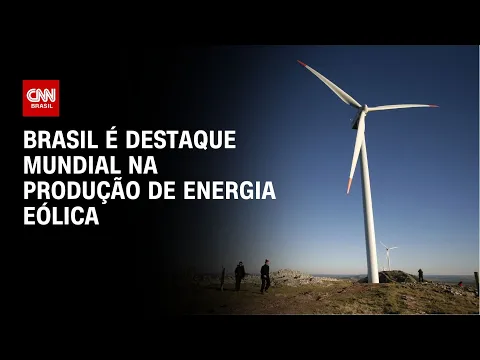
According to the Energy Research Company (EPE), Brazil has over 25 GW of installed capacity in wind energy, particularly in the Northeast. With the Palmas II Wind Complex, Paraná positions itself as a new strategic hub in the sector.
Wind energy is clean, abundant, and strategic for the national energy future.
Environmental and Social Benefits of the New Wind Farm
The deployment of the new wind farm in Palmas brings positive impacts for the environment and society:
- Reduction of greenhouse gas emissions: replacement of fossil sources with clean energy.
- Job creation: up to 5,000 direct and indirect jobs during construction.
- Regional development: increase in municipal revenue and improvement of local infrastructure.
- Professional training: training of specialized labor in the field of renewable energies.
Additionally, the project adheres to strict environmental criteria, with continuous monitoring and compliance with conditions established by the IAT. The Palmas II Wind Complex is an example of how investment in renewable energy can transform communities.
Environmental Licensing of the Palmas II Wind Complex
The Installation License (LI) issued by the Institute of Water and Land (IAT) is valid until 2031 and authorizes the construction of towers, access roads, substations, and other structures of the wind farm. After the completion of the works, it will be necessary to apply for the Operation License (LO) to begin actual energy generation.
The licensing process involved environmental impact studies, public hearings, and technical reports. The issuance of the LI also facilitates the attraction of investors and financing partners, ensuring legal and environmental security for the project.
The environmental licensing is rigorous and ensures that the project respects the fauna, flora, and local communities.
Strategic Investment in Renewable Energy
The investment of R$ 3.5 billion in the Palmas II Wind Complex is one of the largest ever made in the state’s energy sector. It demonstrates the private sector’s confidence in regulatory stability and the wind potential of Southern Brazil.
Governor Carlos Massa Ratinho Junior highlighted that the project is a milestone for regional development and energy security in the state. For many years, the wind potential of Palmas remained underestimated.
Now, this resource begins to be converted into economic development and opportunities for the local population. Investing in renewable energy is investing in the future of Brazil.
Wind Potential of Paraná and Future Perspectives
Studies from the Wind Atlas of Paraná indicate that there is potential for over 5 GW of installed capacity in various regions of the state. The Southwestern region, where the municipality of Palmas is located, presents constant and favorable winds for wind generation.
With the success of the Palmas II Wind Complex, other projects may be enabled, attracting new investments and consolidating the state as a reference in energy innovation. Paraná is becoming a strategic hub for wind energy in Brazil.

Palmas II Wind Complex as a Symbol of Progress
The authorization of the Palmas II Wind Complex represents a significant advancement for Paraná and for the renewable energy sector in Brazil. With cutting-edge technology, environmental commitment, and job creation, the project reinforces the importance of energy transition towards a more sustainable model.
By prioritizing initiatives like this, the state strengthens its economy, protects the environment, and improves the quality of life for its population. The new wind farm in Palmas is more than an engineering project: it is a symbol of progress, innovation, and responsibility.








-

1 person reacted to this.