Portuguese
  Spanish


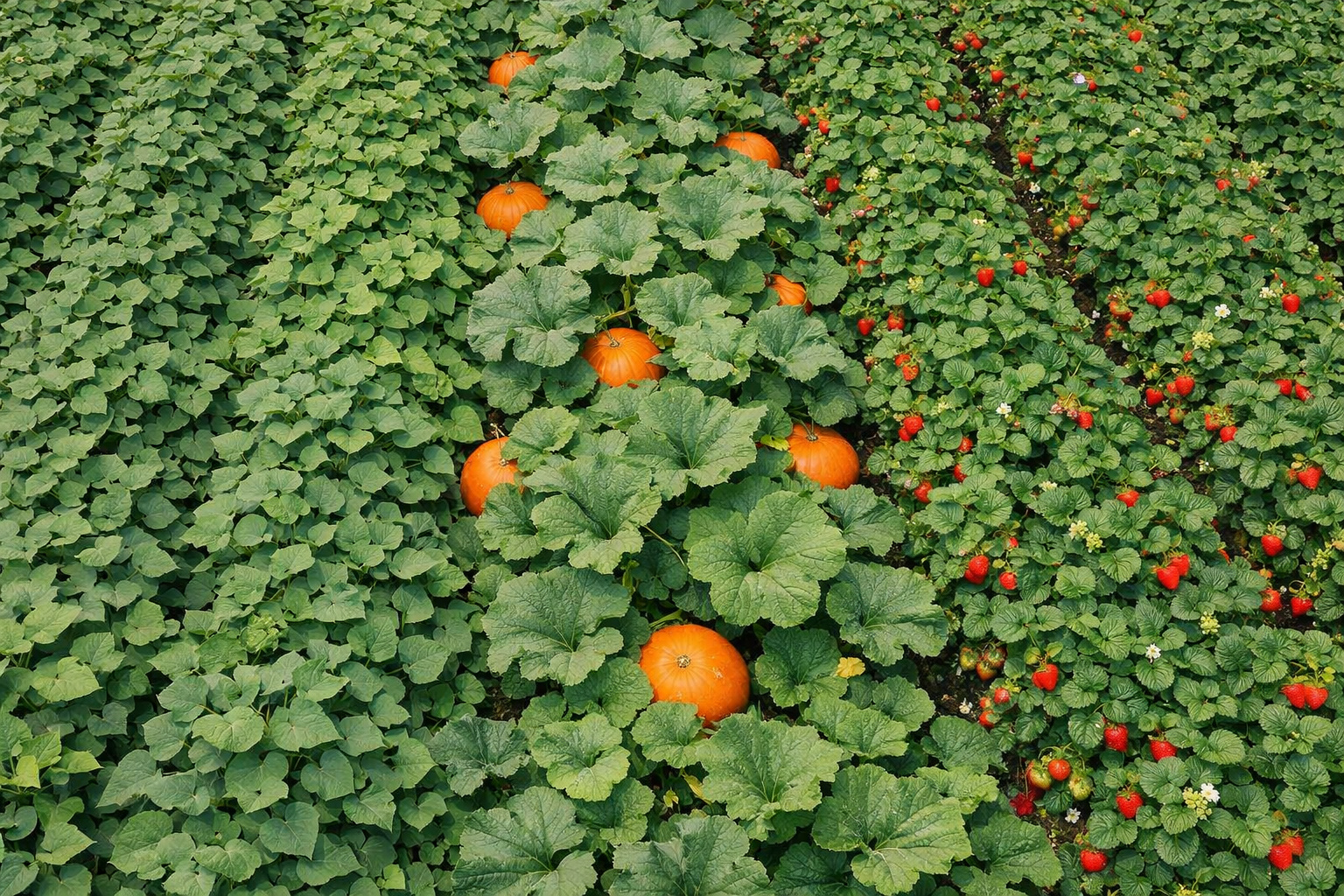


Learn How to Use Cover Crops to Block Light, Prevent Invasive Seed Germination, and Transform Your Yard into a Productive and Protected Space All Year Round
Have you ever cleaned the entire yard only to see the weeds return as if nothing was done after a few weeks? This happens because, although you removed the invasive plants, the soil remained open. And when the soil stays exposed, it naturally becomes an invitation for new seeds to germinate.
In other words, the problem is not your weeding strength. The problem is structural.
Nature does not tolerate emptiness. Therefore, if you do not occupy the soil with what matters, it will be occupied by what does not matter.
-
California’s Almond Industry Consumes Over 4 Trillion Liters of Water Annually Amid Drought, Relies on Trucked-In Bees for Pollination

-
India’s Sugar Export Cuts and Ethanol Shift Amid El Niño Threat Could Impact Global Prices and Stocks

-
Quarantine Pest Threatening Palm Trees Puts Brazilian Authorities on Alert, Prompts Monitoring at University of Taubaté and Potential Control Measures Across São Paulo
-
Global Alert: Report Finds 159 Pesticides in Coffee Beans Sold in Europe, Posing Serious Risks to Millions of Farm Workers



Moreover, science has already explained what our grandparents practiced intuitively: closed soil does not allow seeds to receive enough light to germinate. Consequently, the weed cycle is interrupted.
That’s why in this comprehensive guide, you will get to know 10 plants that really close the soil, block light, and create a natural barrier against invasives.
Why the Soil Needs to Be Occupied All the Time
First of all, it is important to understand that every seed needs light, moisture, and space to sprout. Thus, when the soil is uncovered, it creates an ideal environment for spontaneous herbs.
On the other hand, when you use cover crops, light does not reach the surface of the soil. This way, the seed bank remains inactive.
Additionally, cover plants reduce soil temperature, retain moisture, and improve the physical structure of the soil. Therefore, in addition to controlling weeds, you also improve soil quality.
In summary, closing off the soil is not just aesthetics. It’s an ecological strategy.
Groundnut: Permanent and Manageable Cover
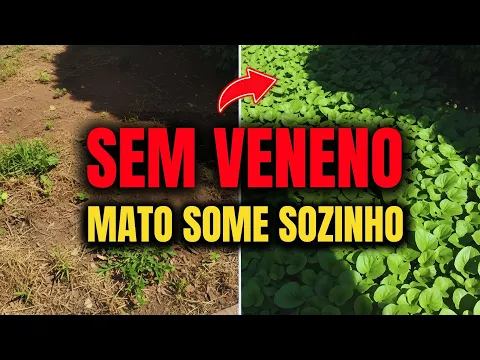

Among the best options, groundnut stands out. It grows close to the ground, spreads quickly, and, above all, creates constant shade.
To plant correctly:
- First, clear the area by removing the weeds by the roots.
- Next, till the soil about 15 cm deep.
- Then, make shallow holes every 30 cm.
- Finally, water well for the first 20 days.
In approximately 3 months, the soil will be completely covered.
Moreover, this plant prefers full sun and well-drained soil. If the land is compacted, mix in coarse sand before planting. Once established, it tolerates drought and light foot traffic.
However, it is important to note: groundnut does not tolerate waterlogging. Therefore, if puddles form after heavy rain, improve drainage.
Sweet Potato: Fast Cover That Still Produces Food
If you need to close large areas quickly, sweet potato is extremely efficient.
First, cut stems of 40 cm with three nodes. Next, bury half of the stem in loose soil, keeping a spacing of 50 cm. After that, water well for the first 15 days.
In just two months, the soil will be completely covered.
Furthermore, the harvest occurs between 4 and 6 months. In other words, while closing off the soil, you still produce food.
However, it is crucial to manage the edges, as sweet potato can become invasive if not handled properly.
Cassava: Prolonged Shade and Hardiness
Cassava, on the other hand, offers temporary long-term cover.
To plant, cut stakes of 20 cm with five buds. Next, plant them at an angle, burying 2/3, with a spacing of 80 cm.
In two months, it begins to shade the soil. Additionally, the harvest occurs between 8 and 12 months, keeping the soil protected throughout this period.
As it grows, its roots improve the structure of the soil. Therefore, in addition to closing the soil, you also strengthen the ground.
Pig Pea: Quick Solution for Large Areas
If the goal is to recover extensive areas, pig pea is highly effective.
Spread 10 seeds per m² in clean soil. Next, lightly cover them and water until germination. In about 15 days, the seeds will germinate. Within two months, the soil will be completely covered.
Moreover, the plant can reach up to 60 cm in height.
After 4 to 6 months, just mow and leave the mass on the soil as mulch. This way, you create natural fertilizer and eliminate weeds simultaneously.
However, remember: this is temporary cover. After the cycle, plant another species.
The Real Secret That Almost No One Talks About
Many people believe that any ground plant will do. However, the choice must consider:
- Full sun or partial shade?
- Dry soil or moist?
- Small area or large ground?
Moreover, the initial preparation is crucial. If the soil is not well cleaned and properly tilled (15 cm, for example), the cover may take longer to close.
Therefore, closing off the soil is a continuous strategy. It is not just about planting, but about planning.
In summary, when the soil is occupied by cover crops, weeds lose light, space, and opportunity. Consequently, the cycle of repetitive weeding comes to an end.
Will you continue weeding every month or will you test one of these cover crops and permanently change the way you care for your yard?
Source: Plants and Care