






 Portuguese
  Spanish
 3 min of reading
  0 comments


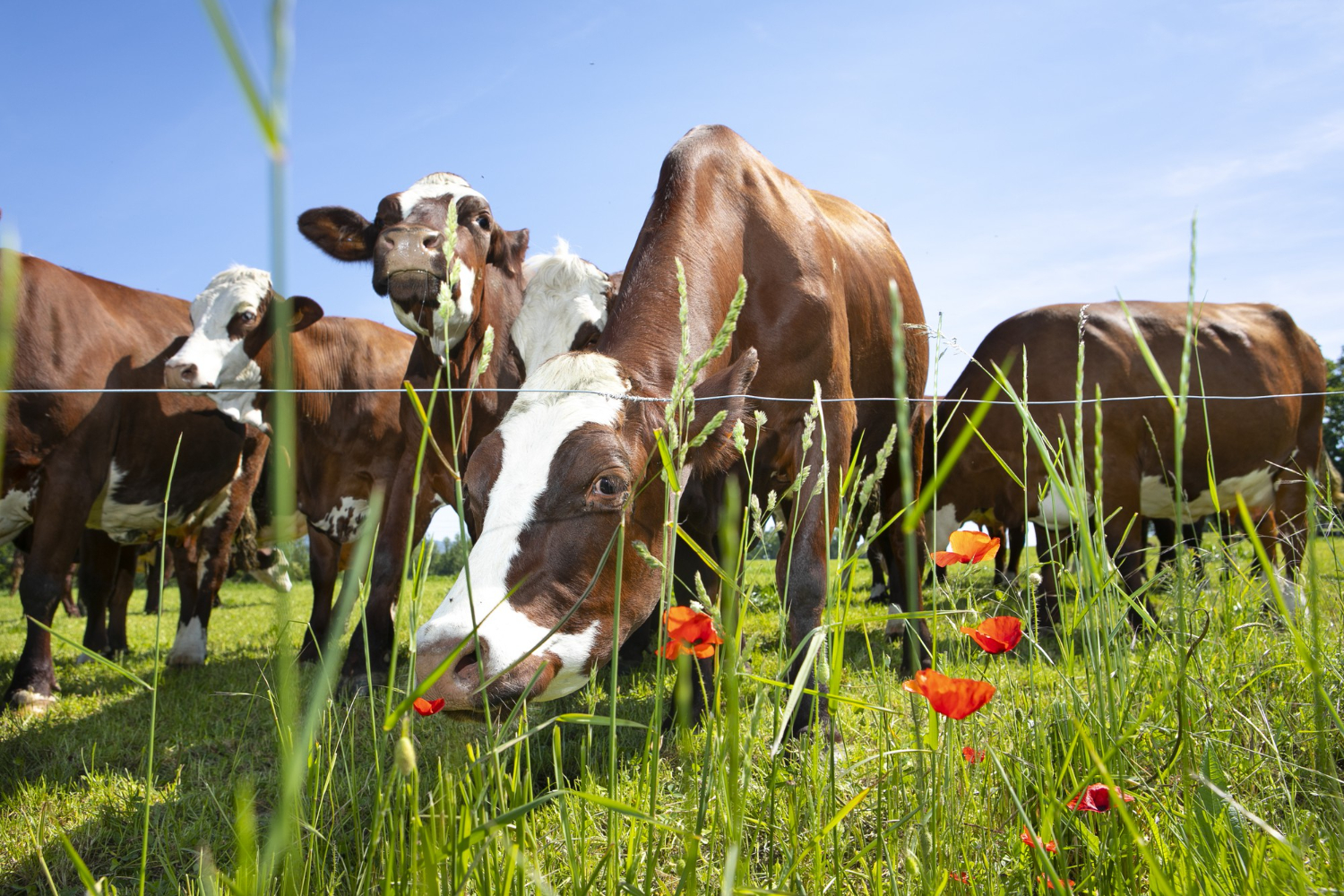
Cattle Farming In The Amazon Gains New Momentum With Initiatives That Prioritize Sustainability, Restoration Of Degraded Areas, And Technical Support, Strengthening Competitiveness And Environmental Requirements
The cattle farming in the Amazon was the subject of debates on rural development and environmental responsibility, especially during a panel held on November 17 by The Nature Conservancy At AgriZone Of COP30 in Belém, according to a report published.
The meeting gathered government, producers, and environmental organizations to discuss ways to unite production and protection.
The presence of the Ministry of Agriculture and Livestock (Mapa), represented by Carlos Augustin, showed the direct interest of the public sector in ensuring that sustainable strategies achieve scale.
-
Peter Andrews was reported by his neighbors, lost the farm to the bank, and saw his marriage fall apart, but the method that the government rejected for 30 years was recognized by the UN as one of the five agricultural models.

-
Billion-dollar agricultural bill worries the Treasury: rural renegotiation could consume R$22.4 billion in 2027 and hinder the return of accounts to the black

-
Producers pierce PET bottles, bury them next to the plants, and create drip irrigation that delivers water directly to the roots and reduces waste in the garden.
-
Seven women from the same family turned a cheese factory in Minas into a tourist attraction, where visitors can watch the milking process, see the artisanal cheese being made, and even take home products made on the farm.



The dialogue revolved around practices that offer competitiveness, predictability, and conditions for rural producers to maintain income without expanding areas.
Discussions also reinforced that productive restoration of degraded pastures emerges as a central alternative.
Another recurring point was the importance of technical qualification, cited as an indispensable element for properties to meet market standards.
Participants also highlighted how coordinated programs make it possible to increase production without compromising sensitive ecosystems.
Management Of Degraded Pastures
The debate highlighted that restoring unproductive areas is a priority, and this line guides the presence of cattle farming in the Amazon in the third block of technical discussions of the panel.
The Brazil Green Path Program, presented as a federal strategy, aims to recover up to 40 million hectares over the next ten years, using agro-farming and forestry systems capable of producing without opening new frontiers.
The vision shared by the government, TNC, and producers shows a rare convergence in environmental agendas: restoring pastures improves productivity, reduces pressure on native vegetation, and prepares the sector for traceability requirements.
Producer Ângela de Jesus, linked to Fetagri/PA, emphasized that the goal is not to open up space, but to qualify areas already used.
This perspective reinforces rational land use and allows small and medium properties to increase their efficiency without unfeasible investments.
Sustainable Cattle Traceability
Traceability was highlighted by Augustin as a decisive tool to place cattle farming in the Amazon into markets that require proof of origin and environmental compliance.
In the fifth block of debates, the representative of Mapa explained that identified and monitored products tend to achieve better international valuations.
TNC emphasized that improving the quality of pastures accelerates the adoption of these practices and strengthens trust in the production system.
This set of actions creates a transparent chain aligned with global standards sought by buyers.
Traceability also facilitates annual carbon balances, a requirement for joining the Brazil Green Path, strengthening the commitment to climate goals and providing credibility to the reported results.
Efficient Rural Technical Assistance
The panel also highlighted that the presence of qualified professionals in the field determines the success of initiatives.
In the sixth block of discussions, cattle farming in the Amazon returned to the forefront as an example of an activity that directly depends on specialized guidance.
Augustin stated that low interest rates do not replace practical knowledge and proper management, fundamental conditions for producers to adopt sustainable methods.
The Brazil Green Path offers credit at rates lower than market rates from ten institutions: Banco do Brasil, BNDES, Caixa, BTG, Itaú, Bradesco, Santander, Banco Votorantim, Rabobank, and Safra, provided there is a commitment to no deforestation and compliance with environmental and labor regulations.
This model encourages the energy transition, promotes food security, and keeps Brazil positioned as a leader in the global sustainability agenda.
The cattle farming in the Amazon concludes the debate as a symbol of a sector capable of reconciling productivity, traceability, and the recovery of degraded areas, as long as supported by structured policies and continuous assistance.





Be the first to react!