Portuguese
  Spanish


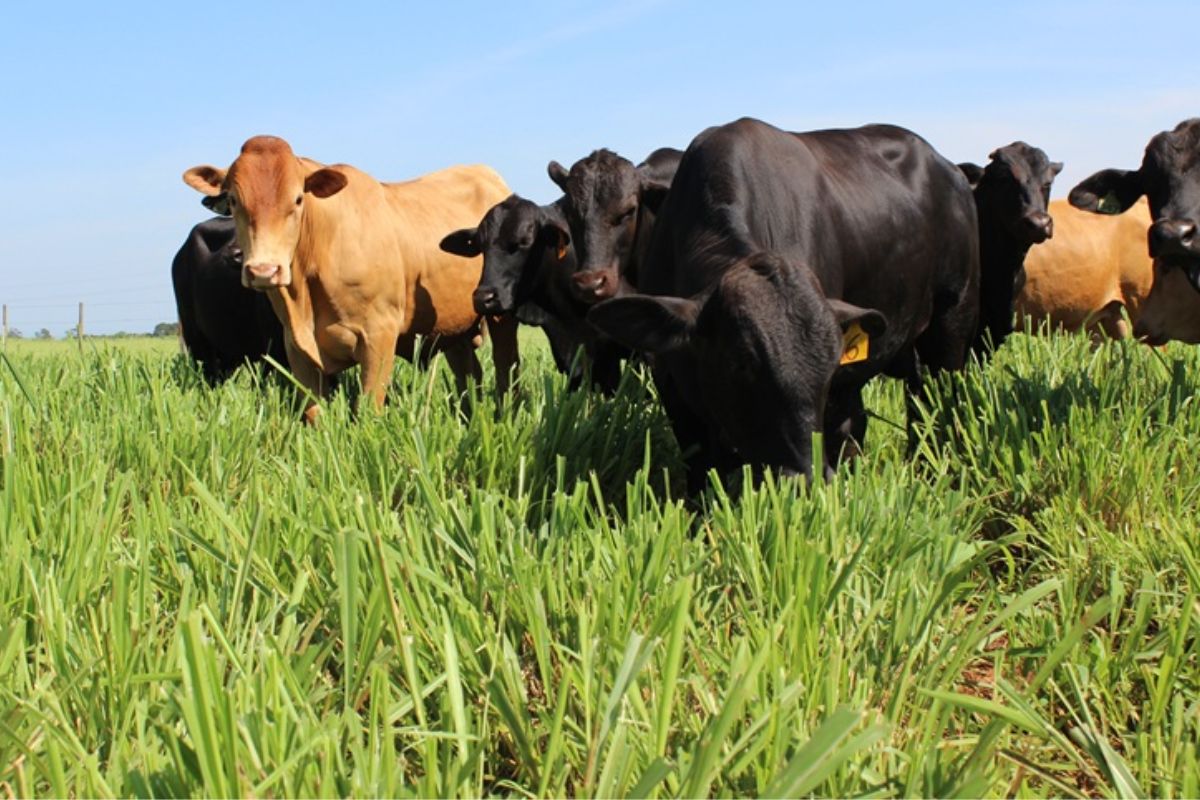

The Low Carbon Meat Certification, Announced at COP30, Strengthens Sustainable Livestock by Integrating Science, Environmental Auditing, and Efficient Practices Aimed at Responsible Production
The sustainable livestock sector returned to the center of climate discussions during COP30, held on November 16, with the announcement of the Low Carbon Meat (LCM) certification, according to an article published, according to an article published
The proposal addresses the global quest for food produced under strict environmental criteria and creates new opportunities for both consumers and rural producers.
The launch brought together institutions that have long advocated the union of technology, transparent auditing, and efficient management as a way to reduce emissions and enhance the social and environmental responsibility of the livestock sector.
-
At 35, Lawyer Leaves Corporate Career to Turn 1-Hectare Farm into Organic Supplier for Schools in Southern Brazil

-
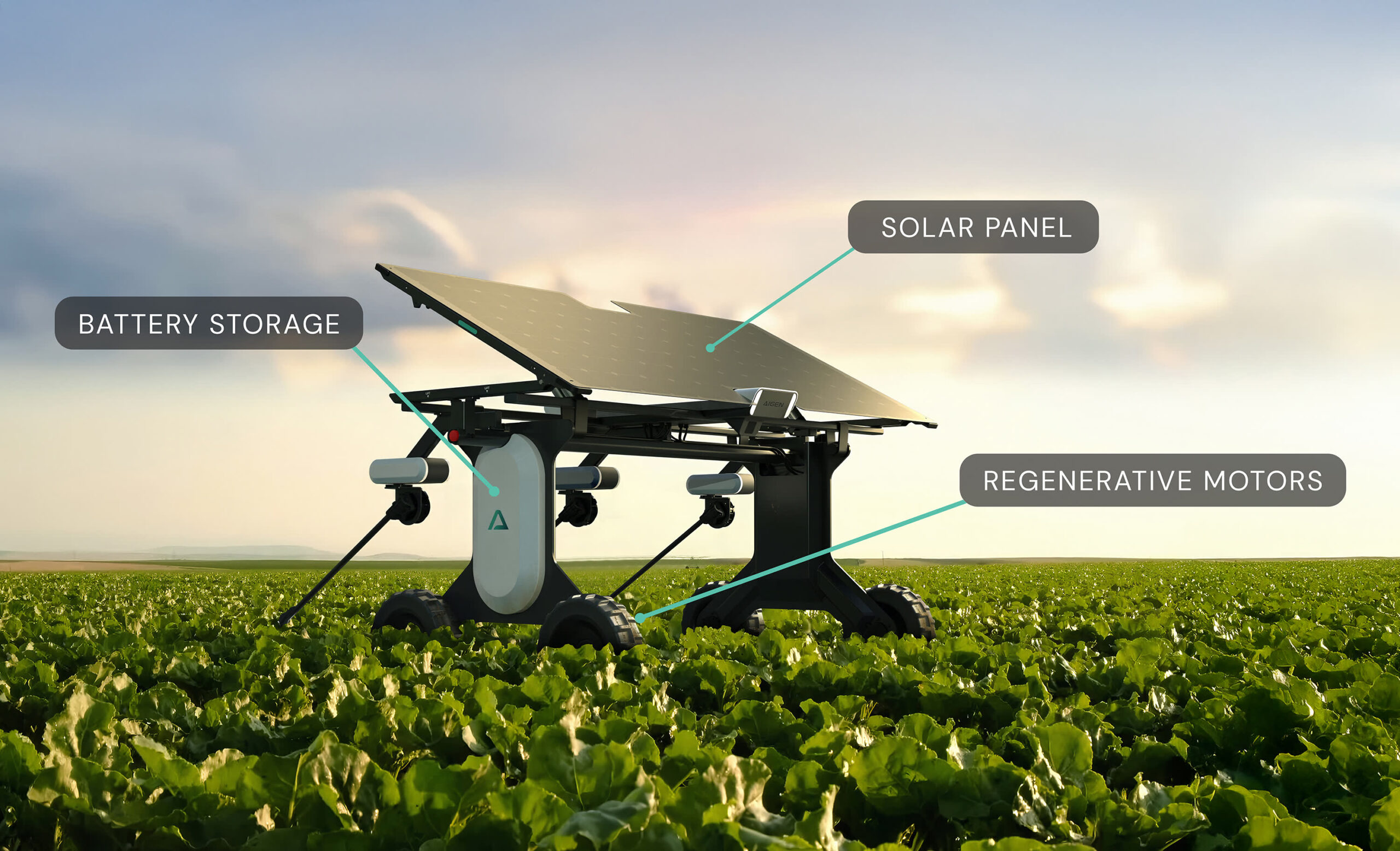
Solar-powered agricultural robots operate 24/7, remove weeds with 8mm precision, and aim to cut herbicide use without fuel consumption in the fields.

-
Brazilian Farmer Invents Low-Cost Tractor Using Motorcycle Parts, Efficiently Working 2 Acres on 1 Liter of Diesel

-
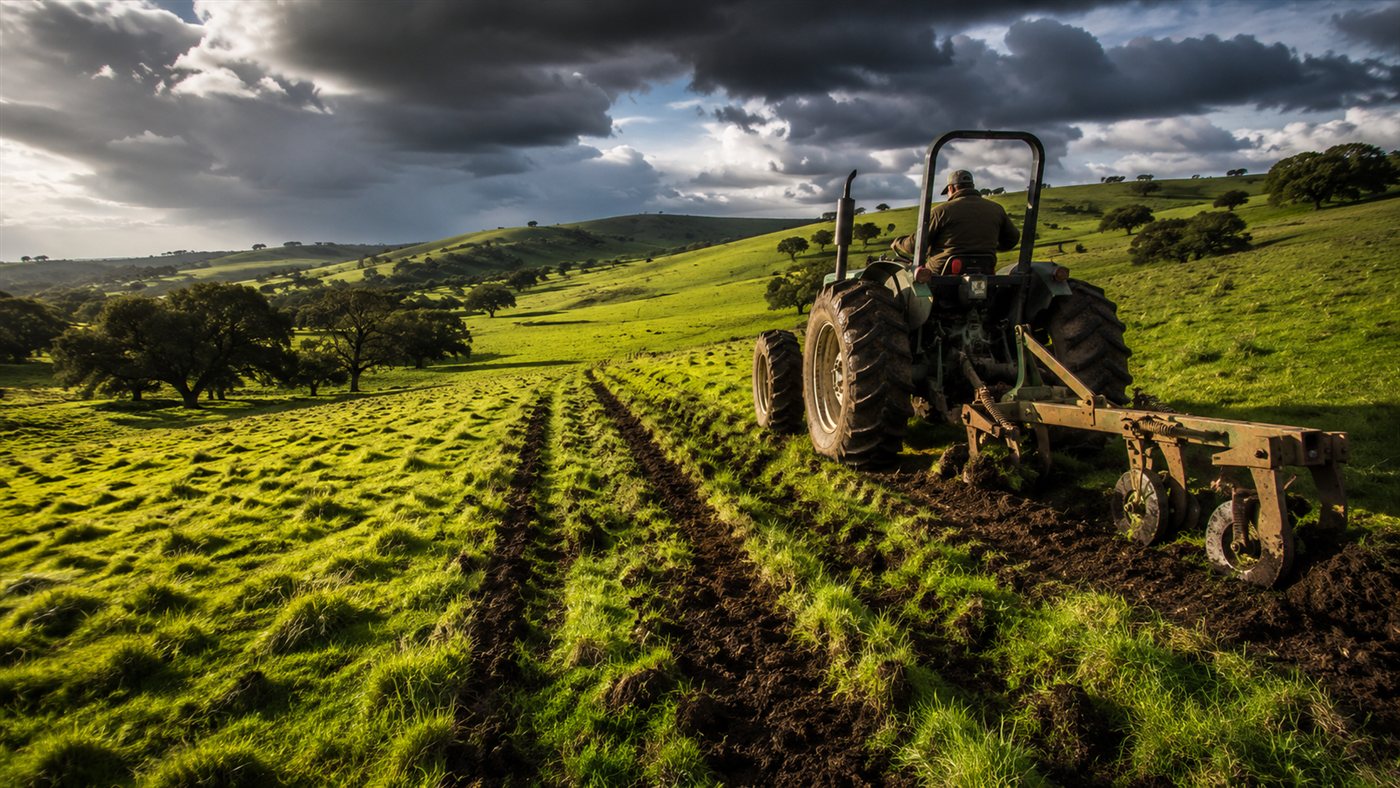
Regenerative Farmers Use Keyline Plow to Improve Pasture Hydration, Storing 1 Gallon of Water Every 30 Centimeters



The LCM consolidates the evolution of initiatives that unite public research, major food companies, and environmental organizations.
Developed by Embrapa in partnership with MBRF and support from Friends of the Earth – Brazilian Amazon, the protocol establishes technical criteria capable of evaluating, monitoring, and certifying properties that adopt sustainable systems.
Among these are the integration of crop-livestock systems, the recovery of degraded areas, and careful management of soil and water, practices that increase productivity and reduce climate impacts.
These actions also favored the understanding that sustainable livestock depends on measurable and auditable processes, guaranteeing the buyer the origin of the meat and the environmental commitment of the production chain.
The LCM arises, therefore, as a tool that reinforces transparency and responds to the growing demand for low environmental impact food.
Sustainability in Livestock with Crop-Livestock Integration
During the announcement, representatives of the involved institutions highlighted that the certification meets the goals of the ABC+ Plan, a public policy focused on mitigation and adaptation to climate change.
Techniques such as crop-livestock integration stimulate carbon capture in soil and vegetation, increasing productive efficiency and reducing the pressure to open new areas.
According to Natália Grossi, analyst at Friends of the Earth – Brazilian Amazon, the LCM offers environmental and economic benefits, strengthening the value of the product in demanding markets and bringing resilience to farms with more fertile soils.
Sustainable Livestock Practices in Auditable Management
The president of Embrapa, Silvia Massruhá, emphasized that the certification translates into objective criteria the commitment to emission reduction.
Thus, the second subtitle meets the requirement of containing sustainable livestock in its title.
The state-owned company highlights that practices such as pasture recovery, crop-livestock integration, and efficient management of natural resources form the basis of processes capable of ensuring permanent results.
In the fifth block of the text, the presence of the expression reinforces the importance of methods that lend credibility to tracking and enhance consumer trust.
Pasture Recovery and Demanding Global Markets
The MBRF, responsible for the Green+ Program since 2020, will integrate the seal into its products.
With operations in 117 countries, over 130,000 employees, and an annual production of approximately 8 million tons of food, the company claims that the certification legitimizes its commitment to monitored production, free from deforestation, and aligned with international climate goals.
In the sixth block, the expression sustainable livestock reinforces the role of applied science in the field and, in the last sentence, reaffirms how the initiative becomes an essential part of the global transition to sustainable livestock.