Portuguese
  Spanish


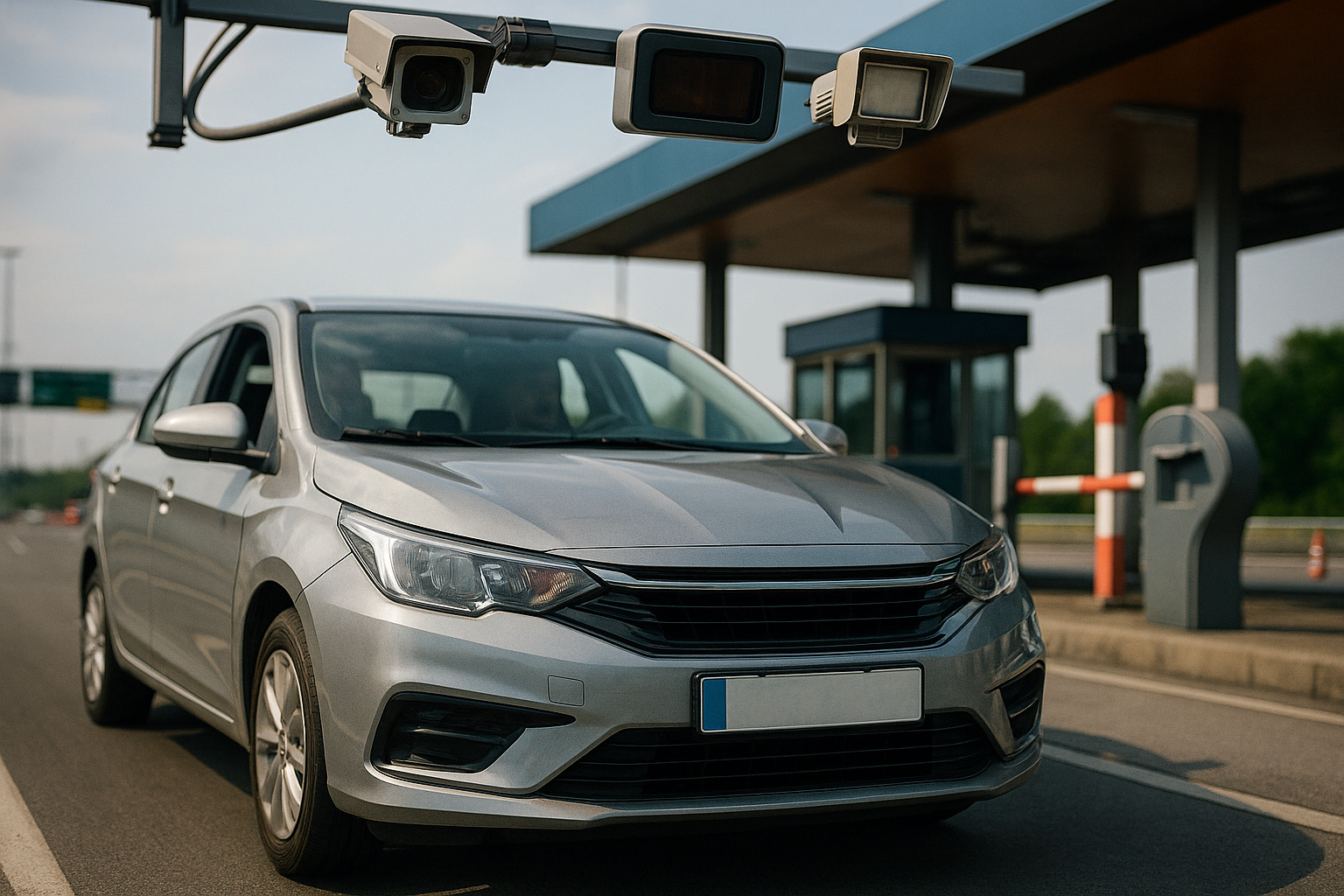

New Model Promises to Eliminate the Need for Tags, Reduce Costs, and Make Toll Payments More Accessible
The toll sector in Brazil, which generates about US$ 4 billion annually, has been facing a growing challenge since 2023. The tag payment system, dominated by companies such as Sem Parar, Veloe, and ConectCar, remains inaccessible for a large part of the drivers.
Although there are 83 million registered vehicles, only 12 million use tags for automatic payment. This difference increases queues, prolongs wait times, and raises the costs of daily commuting.
In response, a new company aims to change this scenario. Founded in 2024, MeuPedágio, a startup created by São Paulo residents Danilo Tavares and Eder Regiani, proposes a solution without stickers, queues, or monthly fees.
-
Latin America’s Largest Port Invests $400 Million in Rail System with Trains Up to 2.4 Kilometers Long
-
New Smart Radar Begins Issuing Fines to Solo Drivers in Carpool Lanes, Uses Cameras to Count Occupants, Changing Traffic Enforcement Rules on Busy European Roads

-
Why can the crane operator only obey the correct signalman on the construction site: among dozens of workers, a hand raised by the wrong person can confuse the maneuver and turn a load of tons into an immediate risk.
-
What changes with the new public transportation rules that can reduce pressure on fares and pave the way for zero fare in Brazil?


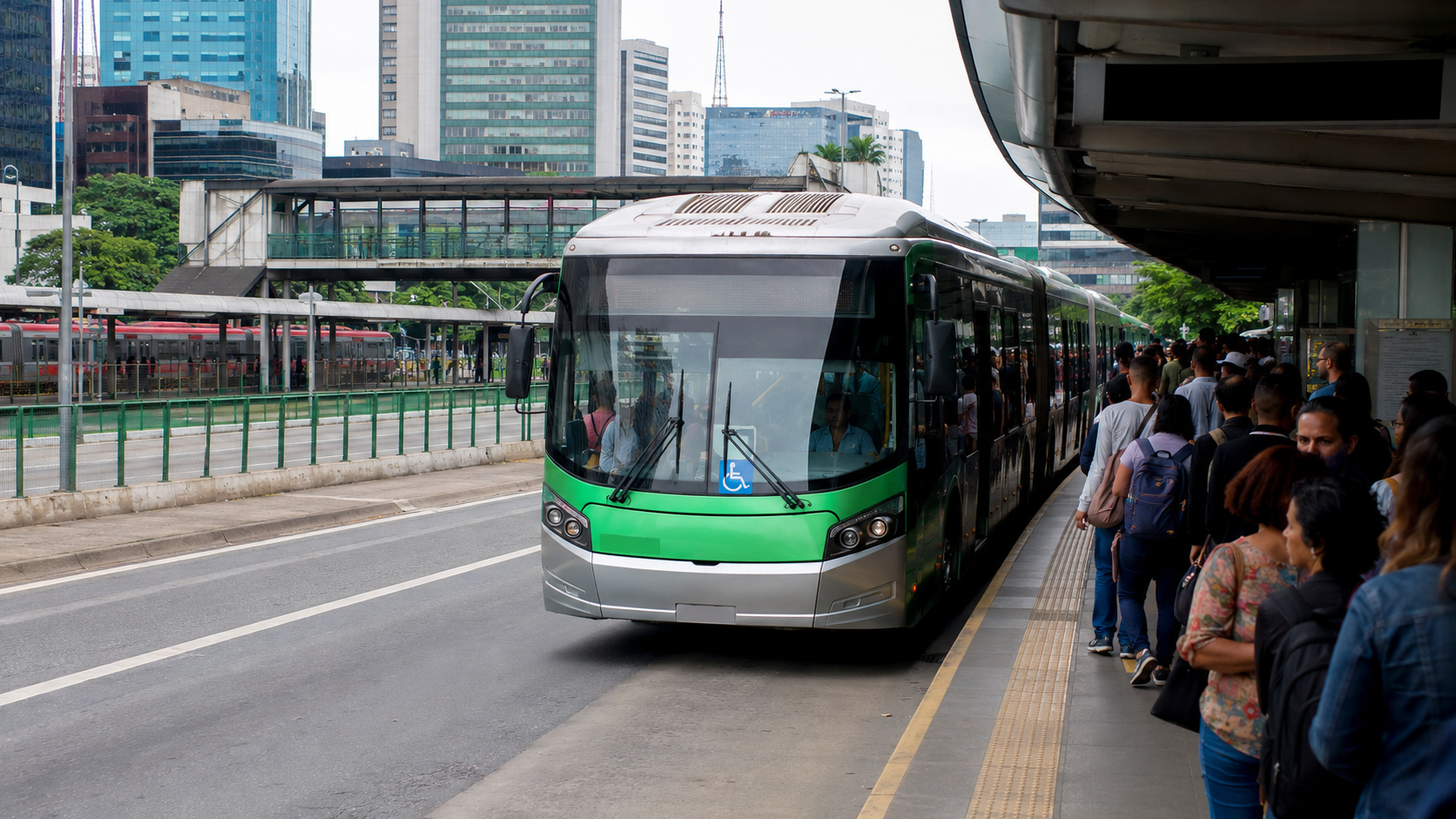
Both founders have over 20 years of experience in the sector. They participated in the breaking of Sem Parar’s monopoly and the popularization of electronic toll payment in the early 2010s.
Automatic Payment Without Tag and Without Monthly Fee
The proposal from MeuPedágio is innovative and straightforward. The system eliminates the need for tags and uses automatic license plate recognition to identify the driver and record the payment.
The payment is processed via Pix, with no additional fees or intermediaries. According to data released by the company in September 2025, tests are already underway at toll plazas in São Paulo.
The signed contracts foresee US$ 1 million in revenue in the first year and US$ 2 million by December 2025, according to internal projections.
The model eliminates monthly fees and membership costs, making the service more accessible to independent drivers and small carriers, who represent a large part of the traffic on national highways.
“We never want to charge a monthly fee, and we will do everything to ensure that doesn’t happen,” said Danilo Tavares in an interview with Exame magazine, in October 2025.
How the System Works in Practice
When a vehicle passes through the toll, the system recognizes the license plate automatically. It then records the amount and sends an immediate notification to the driver.
The payment is made directly via Pix, which eliminates queues, intermediaries, and delays. This way, the process becomes faster and more transparent for all users.
Moreover, the solution reduces operational costs and CO₂ emissions, as vehicles spend less time stopped at booths.
According to mobility sector experts, the system could generate an annual savings of up to US$ 12 million, considering only the first years of implementation.
With the promise to end queues, increase efficiency, and democratize access, the startup challenges companies that have controlled 80% of the national toll market since 2018, according to the Road Concessionaires Union.
Innovation That Promises to Transform the Future of Tolls
MeuPedágio ushers in a new era in Brazilian road infrastructure. Its model, based on instant payment via Pix and optical license plate reading, follows the trend of digitalization of mobility.
This transformation has been growing since the creation of Pix by the Central Bank in 2020, which boosted rapid and low-cost payment solutions throughout the country.
If consolidated by 2026, the system could drastically reduce the costs of concessionaires and improve traffic flow on roads, benefiting millions of drivers.
With the support of experienced professionals and a focus on automation and financial inclusion, MeuPedágio demonstrates that it is possible to travel through Brazil without tags, without queues, and without monthly fees.