






 Portuguese
  Spanish


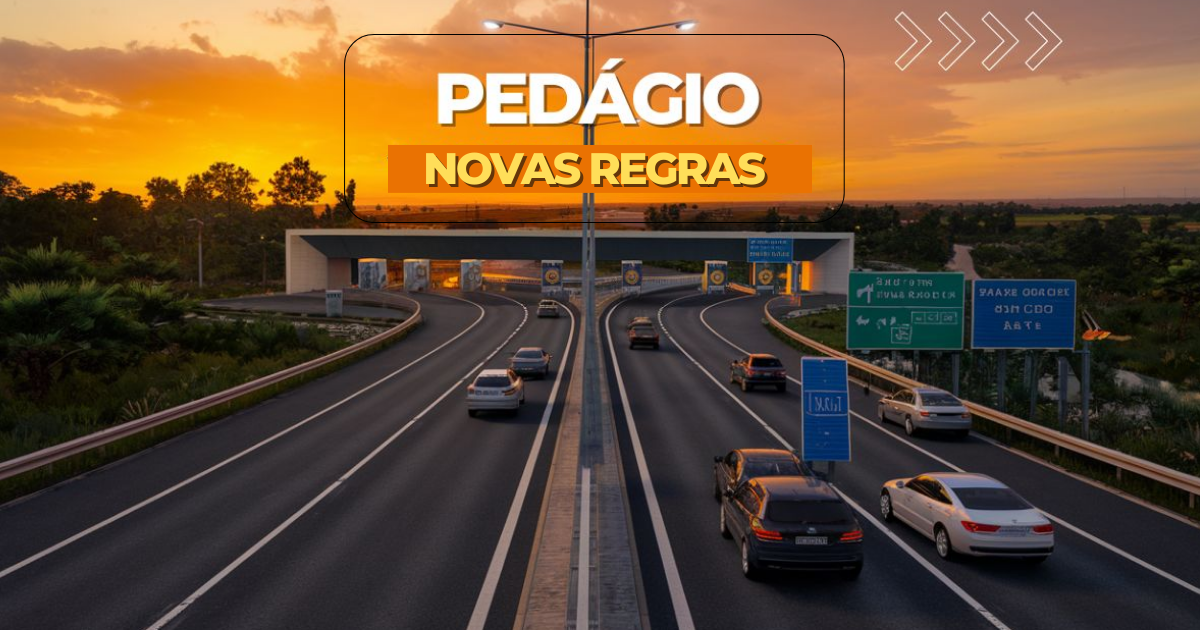


Contran Brings Changes To Free Flow Toll: Extended Deadline, Proportional Charging, And The Possibility Of Challenge. New Rules Promising Practicality And Fairness In Traffic. Drivers And Operators Will Need To Adapt Quickly. What Will Be The Impact Of These Changes On The Daily Life Of Brazilian Highways?
Have you ever imagined a toll system that promises to revolutionize traffic and prevent headaches for drivers? Well, a recent decision from the National Traffic Council (Contran) could transform the way we pay for our trips.
The new electronic toll model, known as free flow, aims to replace previous regulations and is bringing innovations that can directly impact the finances and routines of those using Brazilian highways. But are these changes really beneficial?
In October 2024, Contran approved a series of changes to the free flow toll regulations.
-
Brazil’s Central Bank Warns: Inflation Projected to Hit 5.2% in 2026, Exceeding Target Ceiling of 4.5%, with Risk of Missing Target Rising from 30% to 79%

-
Japan’s Economic Shift: End of Decades of Cheap Money Sparks Global Investor Concerns

-
As Brazil’s Tax Revenue Hits $2 Trillion in First Half of the Year, Questions Arise About Allocation and Usage Criteria

-
King Charles III Discloses British Royal Family Finances, Revealing Million-Dollar Tax and How Public Funds, Historic Estates, Wind Farms, and Duchies Sustain a Billion-Dollar Monarchy


This model eliminates traditional toll booths and allows vehicles to pass without stopping, aiming to optimize traffic and facilitate payment.
Highlights include extending the payment period from 15 to 30 days, as well as introducing mechanisms that increase transparency and offer greater convenience to the driver.
What Changes With The New Model Approved By Contran?
From now on, drivers will find it easier to settle their debts.
If previously the deadline was limited to 15 days, now it will be 30 days, with the possibility of extending to the next business day if the final date falls on a holiday or weekend.
This change aims to avoid improper automatic charges or difficulties with payment.
Another major novelty is the possibility of challenge.
If a driver identifies charges they consider incorrect or unjust, they can appeal directly to the system.
This initiative seeks to provide greater security and confidence to the user.
Additionally, all billing data will now be centralized in the Digital Traffic Wallet (CDT).
This feature already includes documents such as the digital driver’s license and pending fines, ensuring a single access point for information.
A Proportional And Transparent Charge
One of the biggest complaints about the toll system has always been the flat rate, regardless of the distance traveled.
With the new rules, the amount paid will be proportional to the distance traveled by the driver.
This model represents a fairer alternative, especially benefiting those who use shorter stretches of highways.
To ensure the effectiveness of this system, the responsible agencies and operators will carry out educational campaigns, explaining how the electronic toll works.
These actions aim to avoid confusion and inform drivers about their obligations.
Monitoring And Stringent Control
Another important aspect of the new system is the storage of captured images. Photos of vehicles will be kept for up to 90 days.
However, if payment is not made, the period increases significantly, reaching 5 years.
For vehicles registered abroad, the rules are even stricter. Foreign drivers will only be able to leave Brazil after settling all outstanding toll charges.
This regulation aims to prevent financial losses for operators and ensure that international users also comply with regulations.
Benefits For Motorcyclists
Although better known for its application to passenger cars, the electronic toll also provides differentiated support for motorcycles.
Although specific details have not been widely disclosed, it is expected that the changes will be equally advantageous for motorcyclists.
A Change That Can Transform Brazilian Traffic
According to recent information, this new regulation promises to bring more practicality and fairness to road traffic.
According to experts, the changes will not only optimize the driver experience, but also align Brazil with international electronic charging practices.
However, it remains to be seen how users and operators will adapt to the new system. Will these changes truly simplify drivers’ lives or end up generating more doubts and complications?


Um absurdo é mudar o vslor fomprdagio entre 6af 12 :01 ate 2af as 12: 00h um absurdo !! A Via Lagis vompara com a quilometragem entre outras rofovias é muito caro.
Detran e Cenatana precisam rever este absurdo. Agira q ver alegarem custos Humanos
Para beneficiar o controlador do pedágio, novamente o brasileiro que bastaria parar e pagar o pedágio, terar que ter acesso a internet para efetuar o pagamento ou ser assaltado com uma tarifa de r$ 12,00 mensal se não utilizar o pedágio. Se utilizar o valor é r$ 25,00 mensal. Também vai gerar desemprego. O pedagio com cobrança já possui o sistema
Onde e como pago o pedágio quando eu usar?