






 Portuguese
  Spanish


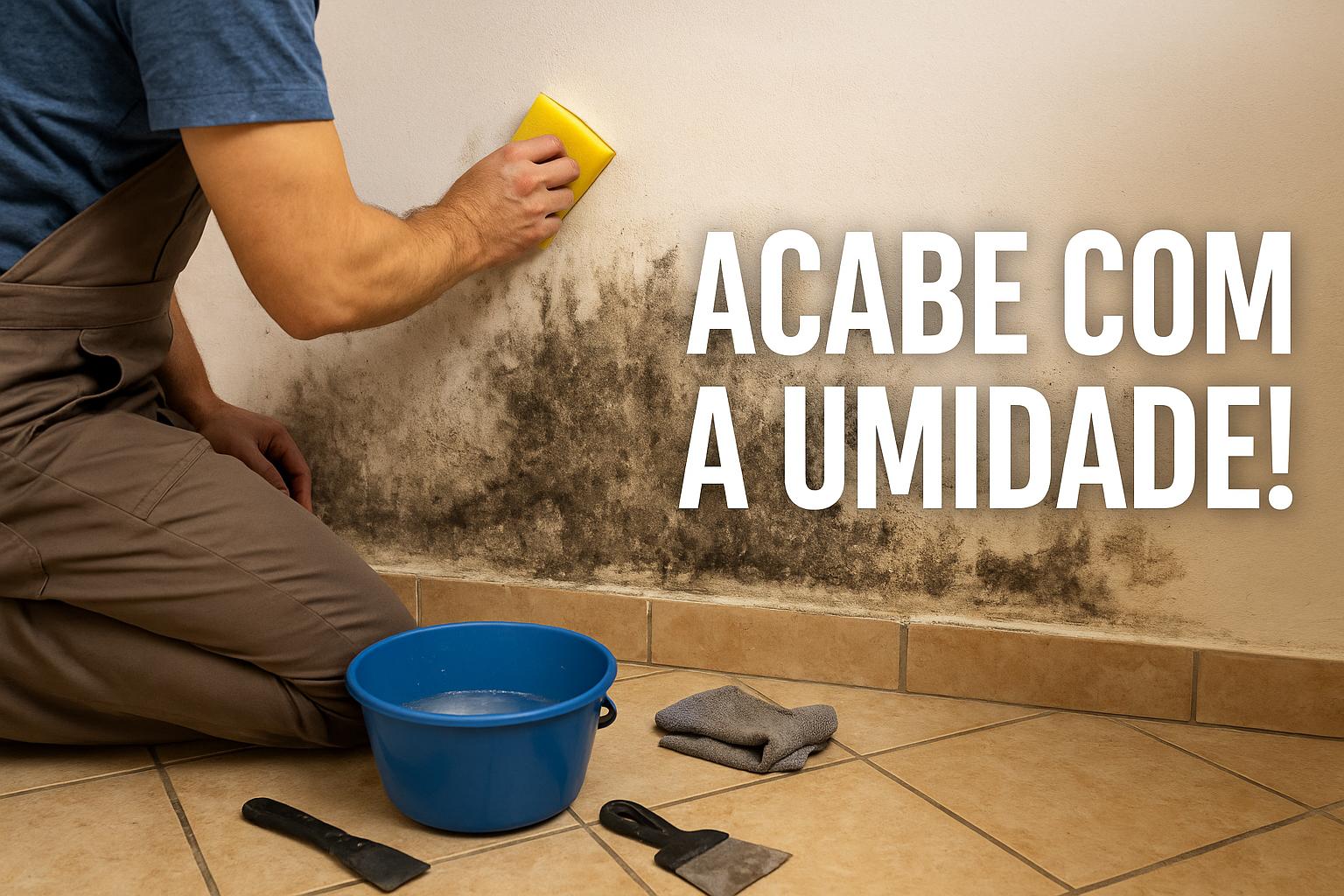


Mason Goes Viral Teaching Simple And Cheap Technique To Eliminate Wall Moisture Without Renovation. Accessible, Quick And Effective Method To Get Rid Of Mold At Home.
Moisture in walls is one of the most common problems in Brazilian homes, especially in old houses or those with soil infiltration. And while many people believe that the only solution is to break everything down, waterproof and spend a fortune, a mason came up with a simple, quick technique that doesn’t require renovation, and it has become a topic on social media and construction forums.
The method gained attention after being demonstrated by a construction professional, who showed step by step how to eliminate moisture using a low-cost material that is already common in the Brazilian market and can be applied by anyone with basic care.
What The Mason Recommended To Eliminate Moisture Simply And Cheaply?
In summary, the technique involves applying a waterproofing powder product diluted in water, creating a kind of “barrier” that prevents the continuation of moisture absorption by the wall. After that, just finish with plaster and paint.
-
Couple Transforms 1913 School into 370 m² Home with Four Bedrooms After $175,000 Purchase and Three Years of Renovation

-
Bamboo Houses Built in 7 Days for the Price of a Smartphone: 26 Survived Intact in Myanmar’s 7.7 Earthquake
-
Prefabricated Home Assembled in Days Offers Cleaner, More Efficient Construction with Factory-Made Panels, Requires Technical Design to Prevent Moisture Issues

-
Single Mother Working Three Jobs Receives 111 m² 3D-Printed Home with Concrete Walls Built in 12 Hours, Featuring 3 Bedrooms, 2 Bathrooms, and a Printer for Replacement Parts



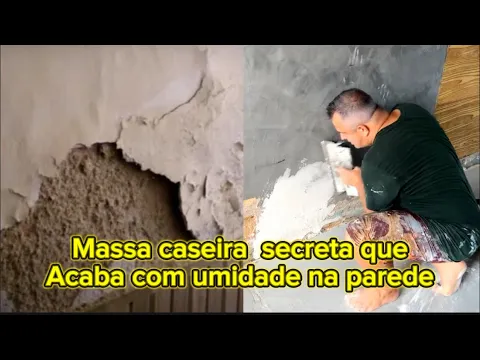
He explains that the secret is to prepare the wall correctly: scraping off the peeling paint, applying the compound, and only then finishing. According to the mason, if the product is applied correctly, the wall stops “pulling” water and creating mold.

The report highlights that the method gained attention precisely because it is a practical alternative for those suffering from mold and stains and cannot face a large renovation or a high waterproofing budget.
Why This Works And Eliminates Moisture Without Renovation?
Rising moisture is caused by water from the soil that rises through the plaster’s capillaries. The technique creates a layer that blocks this advance, reducing or even eliminating the problem in many domestic cases.
Construction experts remind us that the solution works especially in mild to moderate cases. When the infiltration is structural, caused by water piping, groundwater, or serious construction failures, technical intervention is still necessary.
But for the majority of homes, especially where the wall only stains and peels, this technique can resolve.

Care When Applying And Getting Rid Of Moisture In Your Home
The mason made it clear that it is important to follow the step-by-step instructions and use the correct products. Applying carelessly may not solve the problem and may generate rework.
For residents who do not have experience with renovations, it is recommended to seek help from a professional to guide the first application.
Why Did The Video Go Viral?
For three main reasons:
- low cost of the solution
- does not require breaking walls
- quick and visible results
In a scenario of expensive renovations and tight budgets, tips like these gain traction quickly—and show how accessible technical knowledge can help many people improve their homes with simple and efficient methods.




Simplesmente comprei um piso de porta de loja, que foi aplicado à parede- uns 2m de altura. Pronto. Mofo nunca mais.
Ainda tem tolo que acredita nesta solução! É pura ilusão temporária. Única solução é impermeabilizar o contato do alicerce com a parede, quebrar a parede a cada um metro de comprimento por 10 cm de altura acima do alicerce, limpar bem, aplicar o produto impermeabilizante, esperar o tempo de secagem constante na embalagem e preencher novamente o vão aberto, repetir o processo de metro em metro. Depois de todo o alicerce ter sido impermeabilizado e refeito o preenchimento aguardar tempo de secagem para rebocar, aplicar massa, fundo preparador e pintar.
Este processo precisará ser efetuado também em todo o piso, pois este também tem contato com o solo, se não fizer este processo no piso em pouco tempo apresentará manchas no piso, que nada mais é que umidade do solo buscando saída. Pisos antigos de tábua corrida ou tacos com o tempo absorverão umidade e apresentarão pontos podres na madeira, indicando que já era o piso, terá que ser trocado, mas desta vez faz direito, ne?