Portuguese
  Spanish





Motorcycle Financing Grows Faster Than Cars And Trucks In Brazil; See Advantages And Profiles Leading The Surge.
The Brazilian automotive market is experiencing a historic turning point. According to the FDR portal, motorcycle financing has surpassed that of cars and trucks for the first time, revealing a structural change in vehicle consumption. The movement is driven by the growing interest of young people, app workers, and consumers seeking economical transportation alternatives.
This advancement reflects not only a matter of price but also of mobility and efficiency.
In a scenario of tight income, heavy traffic and expensive fuel, the motorcycle has established itself as the most practical and accessible option.
-
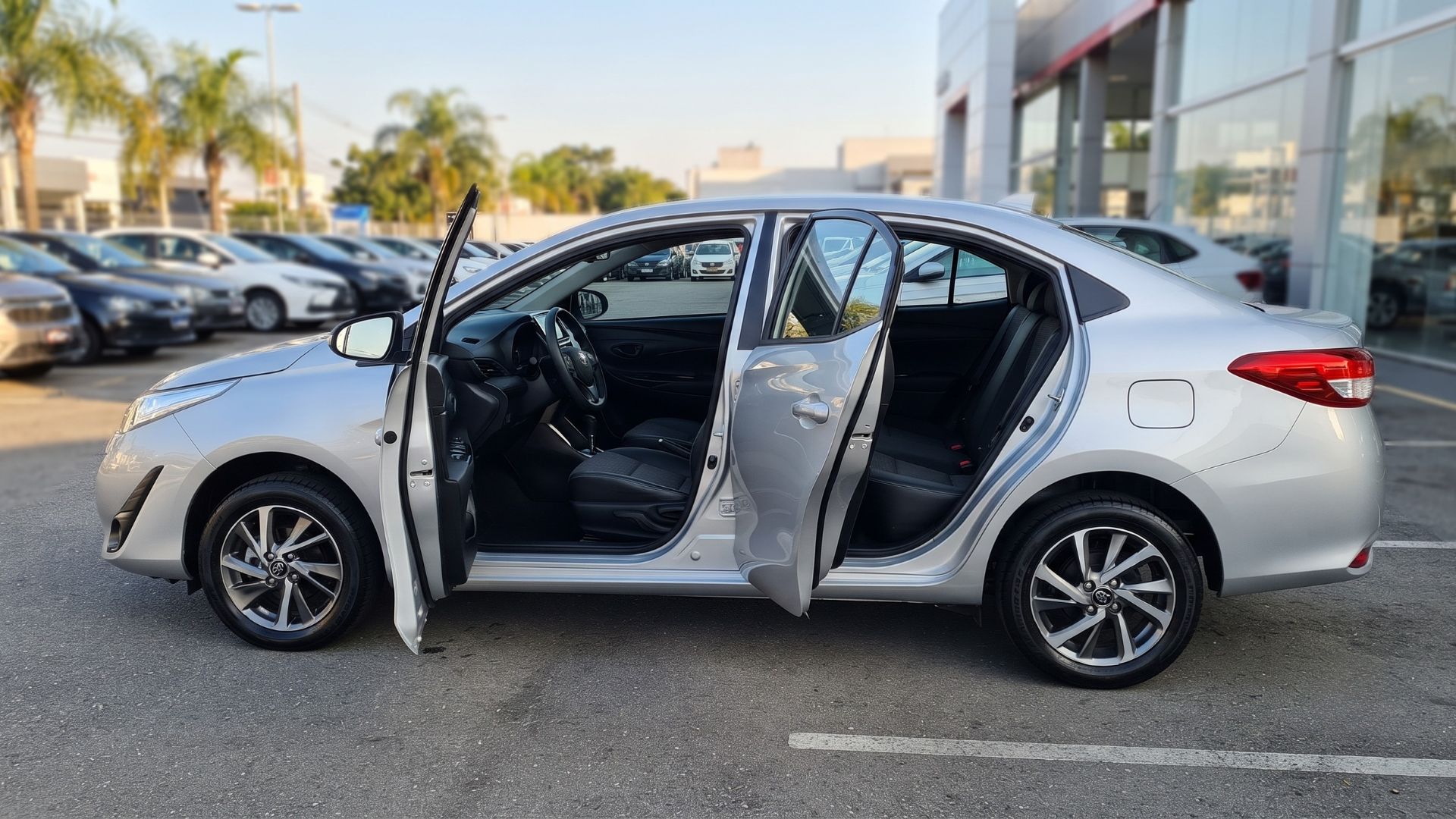
Automatic, economical, and known for reliability: with a 1.5 engine of up to 110 hp, CVT transmission, seven airbags, and fuel consumption of up to 15.9 km/l, this used hatchback appears as a rational alternative to Polo, HB20, and Onix; meet the Toyota Yaris XLS 2020.

-
He surpassed the Tera, Creta, and Tracker: With a TSI engine of up to 150 hp, 6-speed automatic transmission, and a 373-liter trunk, the Volkswagen T-Cross was the best-selling SUV in June, with 11,753 registrations.

-
It looks factory-made, but it came out of a workshop: a mechanic from Pernambuco builds a handcrafted “mini Toyota,” drives it through the streets, and the video goes viral on social media, leaving residents astonished.
-
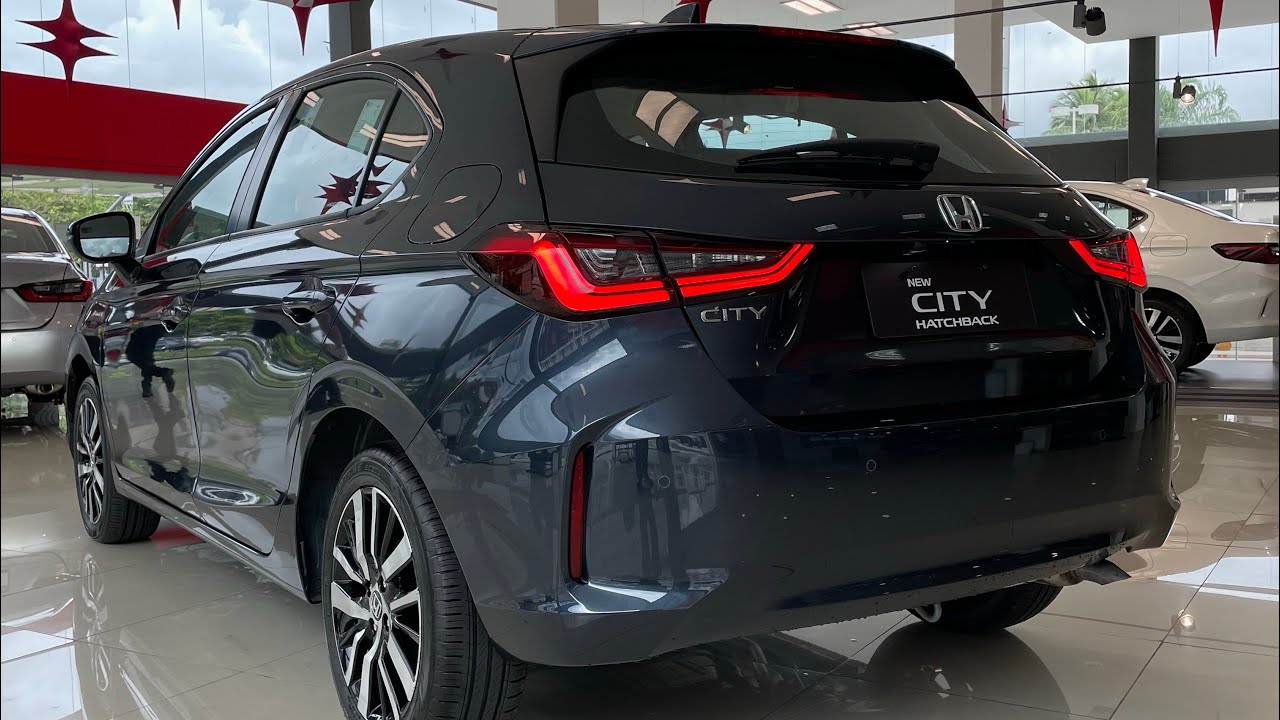
Hatch with sedan space and 1.0 car consumption: equipped with a 1.5 engine with 126 hp, CVT transmission with seven simulated gears, and consumption of up to 17.4 km/l, this used Honda delivers technology, comfort, and reliability; meet the 2022 Honda City Hatch Touring.


Why Motorcycle Financing Has Spiked
One of the decisive factors is the cost-benefit. The acquisition price, cheaper maintenance, and lower fuel consumption make motorcycles much more competitive than cars and trucks.
In times of strained family budgets, this advantage significantly affects the consumer’s wallet.
Another point is the agility in urban commuting.
In large cities, where traffic jams have become routine, the motorcycle shortens distances and ensures speed in daily life.
This factor is especially valued by those who need to meet long work hours or multiple daily commutes.
Who Finances Motorcycles Today
The profile of buyers helps explain the advance in motorcycle financing:
- Young People: use motorcycles as their main mode of transportation for study and work.
- App Delivery Workers: rely on them as an essential income tool.
- Consumers Without a Driver’s License: some models do not require traditional licensing, which further expands the market.
This set of profiles shows that motorcycles have ceased to be merely a leisure option or complementary transportation and have become central to Brazilian mobility.
Practical Advantages of Motorcycle Financing
Motorcycle financing is strengthening because it combines economy and accessibility. The process is similar to that of automobiles, with modalities such as:
- Direct Consumer Credit (CDC): the bank finances, and the buyer pays in fixed installments.
- Consortium: an interest-free alternative where the customer participates in draws or makes bids to expedite the purchase.
Each modality has its own entry conditions, interest rates, and terms, but in both cases the motorcycle becomes a more manageable option within the budget, especially when compared to cars and trucks.
The Impact on the Vehicle Market
The growth of motorcycle financing signals a structural change in the behavior of Brazilian consumers.
The preference for smaller, cheaper, and more economical vehicles could even alter the future of the automotive industry, forcing manufacturers and financiers to rethink strategies.
In summary, the motorcycle has ceased to be a niche and has become a protagonist, leading the search for credit and redefining the vehicle market in Brazil.
The progress of motorcycle financing shows how economic, social, and mobility factors are shaping new consumption habits in the country.
With lower costs, practicality, and the growing demand from young people and delivery workers, the sector consolidates itself as a driver of the automotive credit market.
And you, do you believe that motorcycle financing will continue to surpass that of cars and trucks in the coming years?
Leave your opinion in the comments — we want to hear from those living this change in practice.