Portuguese
  Spanish



Record 228-Meter Core Extracted After Drilling 523 Meters of Ice in West Antarctica
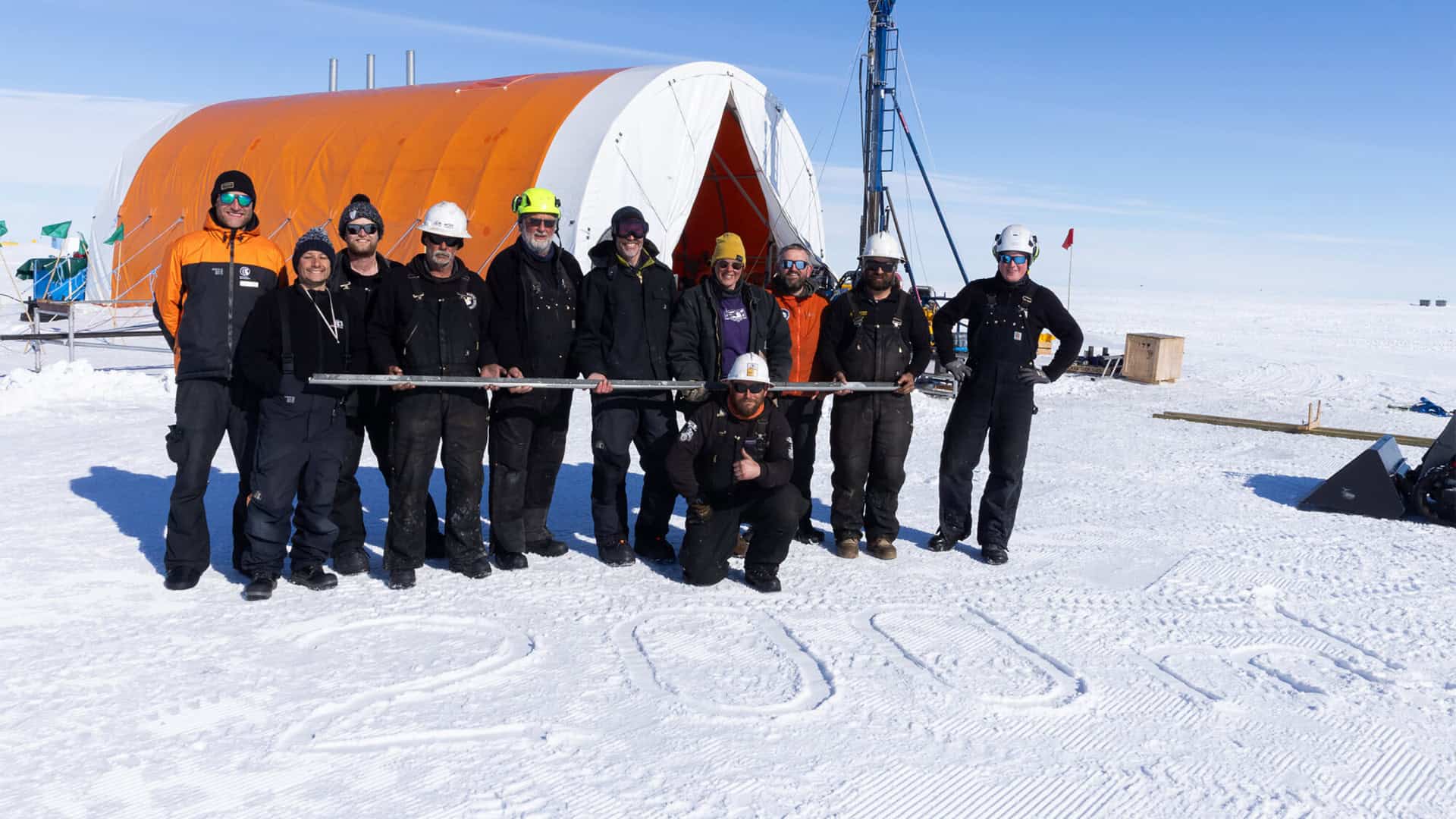
Antarctica has revealed one of the most important climate records in recent scientific history. An international expedition conducted the deepest drilling ever done beneath an Antarctic ice sheet. As a result, researchers passed through 523 meters of solid ice before reaching ancient sediments preserved underground.
Moreover, the team extracted a core measuring 228 meters long, considered the most extensive ever obtained under such extreme conditions. The material may contain records of up to 23 million years of climate history, according to preliminary analyses.
The information was released by “Olhar Digital,” based on data from the international project SWAIS2C (Sensitivity of the West Antarctic Ice Sheet to 2°C), which brings together scientists from various countries.
-
Green Roofs on Homes Gain Popularity for Reducing Heat, Noise, and Rain Impact in Brazil

-
Brazilian promises his children to save a river, creates an eco-barrier in his backyard, has already removed more than 40 tons of trash from the water, and even inspires the idea in other states of the country.

-
How a Brazilian company created a system that transforms broken pallets of any brand into new assets, recycles 80 tons of plastic per month, and found a profitable solution to a problem that challenges industries across the country.
-
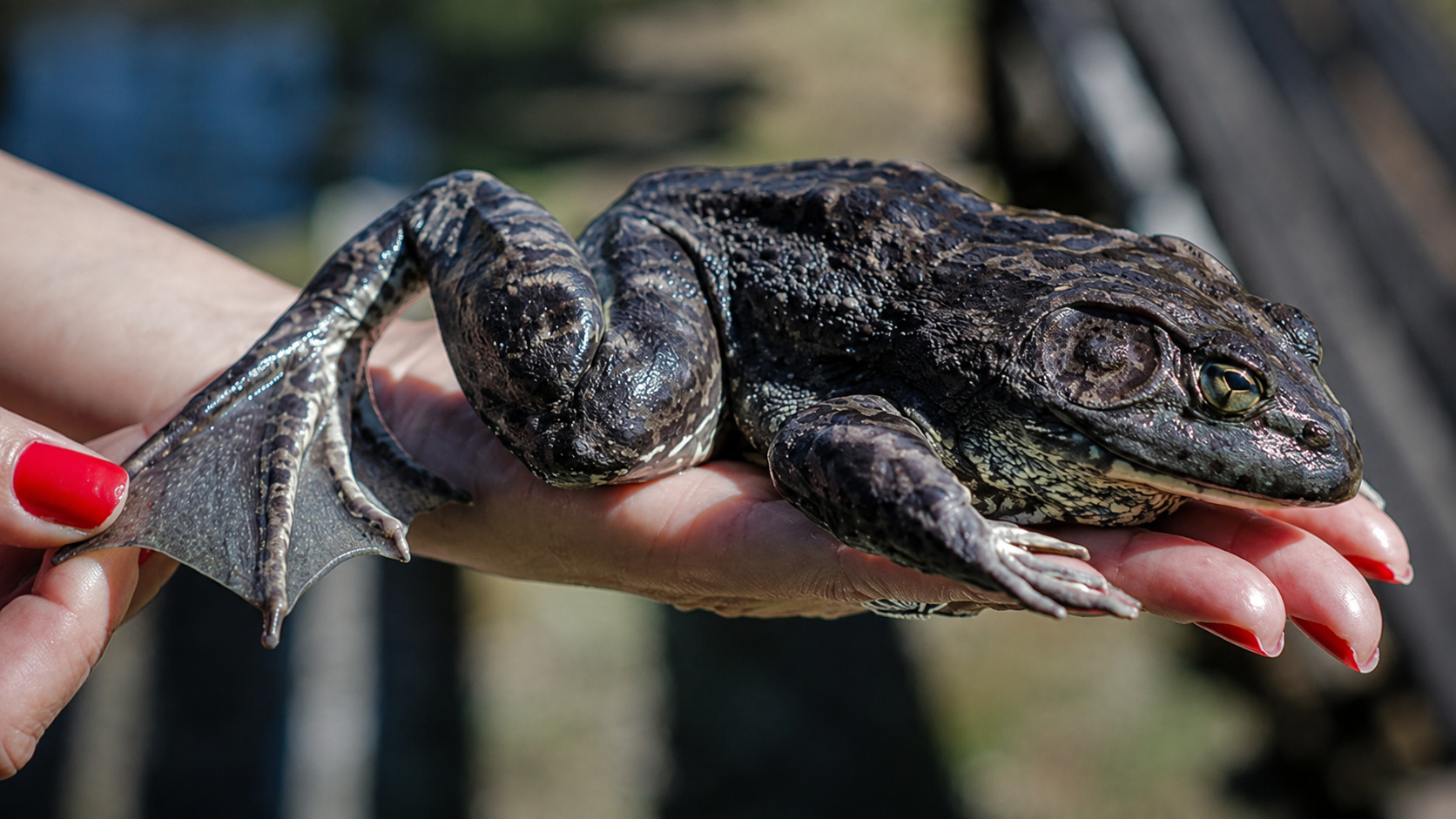
Invasive bullfrog capable of devouring other amphibians and laying up to 20,000 eggs is found in Florianópolis, raising an alert about the threat to native fauna.

Until now, drilling beneath ice rarely exceeded 10 meters. Therefore, the technical leap was significant. The team surpassed the initial goal of 200 meters, even while operating in one of the most remote regions of the planet.
The operation took place at the Crary Ice Rise, located at the edge of the West Antarctic ice sheet, about 700 km from the nearest logistics base. To reach the sediments, scientists used a hot water drill to open the 523-meter borehole. They then inserted over 1,300 meters of drill pipe until they reached the ground.
The work occurred in continuous shifts during the short Antarctic summer. Meanwhile, severe conditions, such as freezing fog, delayed flights and complicated campsite setup.
Sediments Reveal Ancient Retreats of Antarctica and Help Predict Climate Future

The core serves as a true climate time capsule. Each layer of sediment records specific environmental conditions. In this way, researchers can reconstruct periods when the planet was warmer than it is today.
The West Antarctic contains enough ice to raise global sea levels by four to five meters if total melting occurs. Therefore, understanding how this mass reacted to past warming has become a scientific priority.
Initial analyses indicate that the core may encompass up to 23 million years. Initially, researchers estimated the age based on the presence of marine microfossils, which serve as natural geological markers. Now, international laboratories will apply more precise methods to confirm the dating.
During drilling, scientists identified fine mud associated with sub-glacial environments. However, they also found layers with gravel and larger rock fragments. This diversity indicates significant environmental changes over time.
Moreover, fragments of shells and remains of sun-dependent organisms suggest that, at certain periods, the region was not covered by thick ice. Instead, there may have been open ocean. Consequently, this finding reinforces the hypothesis that the Ross Ice Shelf and parts of West Antarctica have retreated during warmer times.
This data expands the comparison base with current global warming scenarios.
SWAIS2C Project Analyzes Impact of 2°C Global Warming on Ice Sheet

The study is part of the SWAIS2C project, which aims to assess how the ice sheet reacts when global average temperature exceeds 2°C above pre-industrial levels.
So far, much of the data has come from areas near the edges of the ice sheet or from floating platforms. However, the new core provides a direct record of the internal behavior of the region over millions of years.
Additionally, the expedition required complex logistics. Equipment and supplies traveled over 1,100 km across the ice sheet, with support from New Zealand and the United States.
After extraction, the team described the core, photographed each segment, and performed X-ray analyses. Subsequently, the samples were sent to Scott Base and then to New Zealand. International laboratories then initiated detailed studies.
With this data, researchers intend to quantify how ocean temperature, greenhouse gas concentration, and atmospheric circulation influenced past ice retreat. In this way, they can improve projections about the future of Antarctica.
Finally, the success of the drilling paves the way for new scientific investigations. In a scenario of accelerated climate change, understanding Antarctica’s past becomes crucial to anticipate potential impacts on sea level in the coming decades.
If Antarctica has retreated during warmer periods in the past, do you believe we are prepared to face another rise in sea level?