






 Portuguese
  Spanish


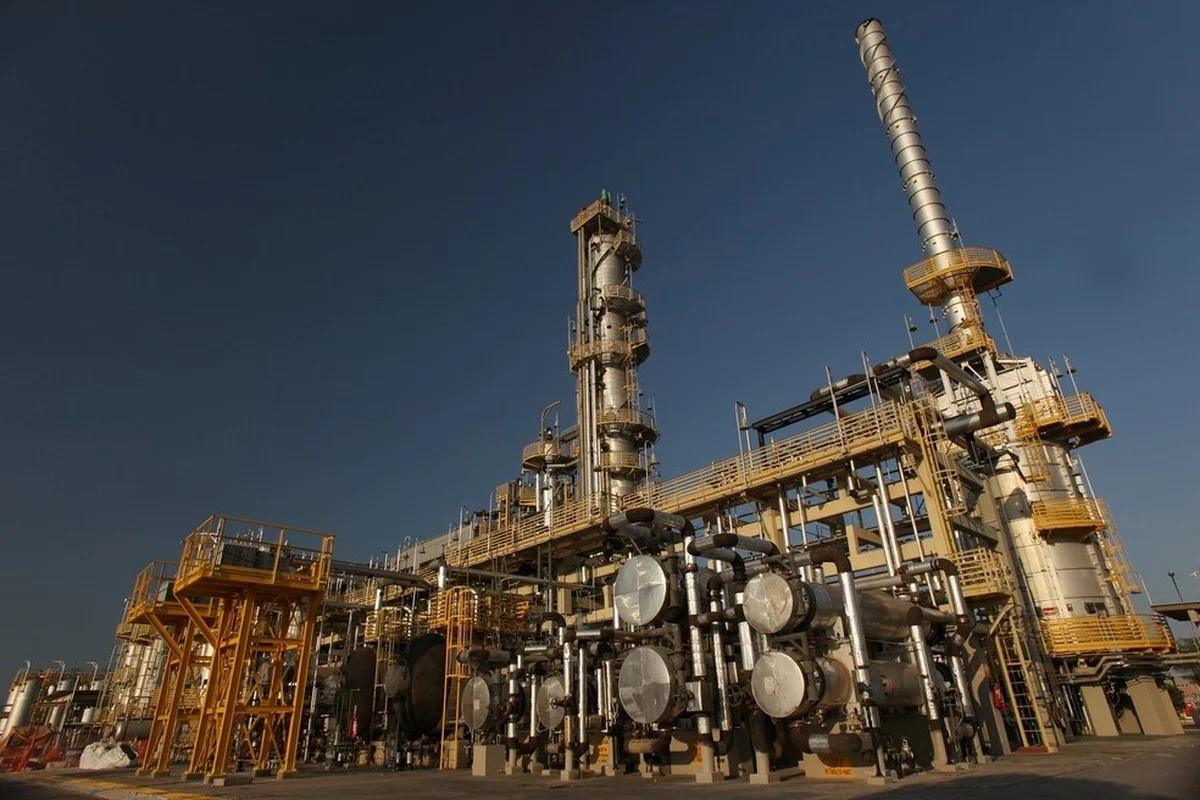

GasLub Project: With the addition of an initial supply of 9 million m³/d of natural gas to the domestic market, the company aims to double the amount of gas available to the market in the next five years.
However, the full operation of the GasLub project, including the 355 km Route 3 pipeline that will transport gas from the offshore pre-salt fields to the processing facility, has faced contractor changes that delayed the project. According to Petrobras’ head of exploration and production, Fernando Borges, the pipeline will start operating in April 2023.
Despite the announcement from Petrobras, groups of consumers and politicians in Brazil have criticized the amount of gas that oil companies reinject to stimulate oil production. They claim this leads to higher gas supplies and the need for pipeline and LNG imports. According to the Ministry of Mines and Energy, reinjections grew to 68 million m³/d in 2022, while gas supply to the domestic market dropped to 47 million m³/d.
Borges, one of the leading executives at Petrobras, defended the practice of gas reinjection in the oil industry, stating that of the approximately 70 million m³/d reinjected in 2022, only a small portion would make sense to sell. The executive explained that the first 40% of the gas has a high CO2 content and is more suitable to be reinjected into Petrobras’ offshore pre-salt fields. The second 40%, in turn, has better specifications for domestic use and is crucial to maintaining pre-salt production.
-
With a record production of nearly 3 million barrels per day, Petrobras resumes importing diesel in July, highlighting the bottleneck in Brazilian refining.

-
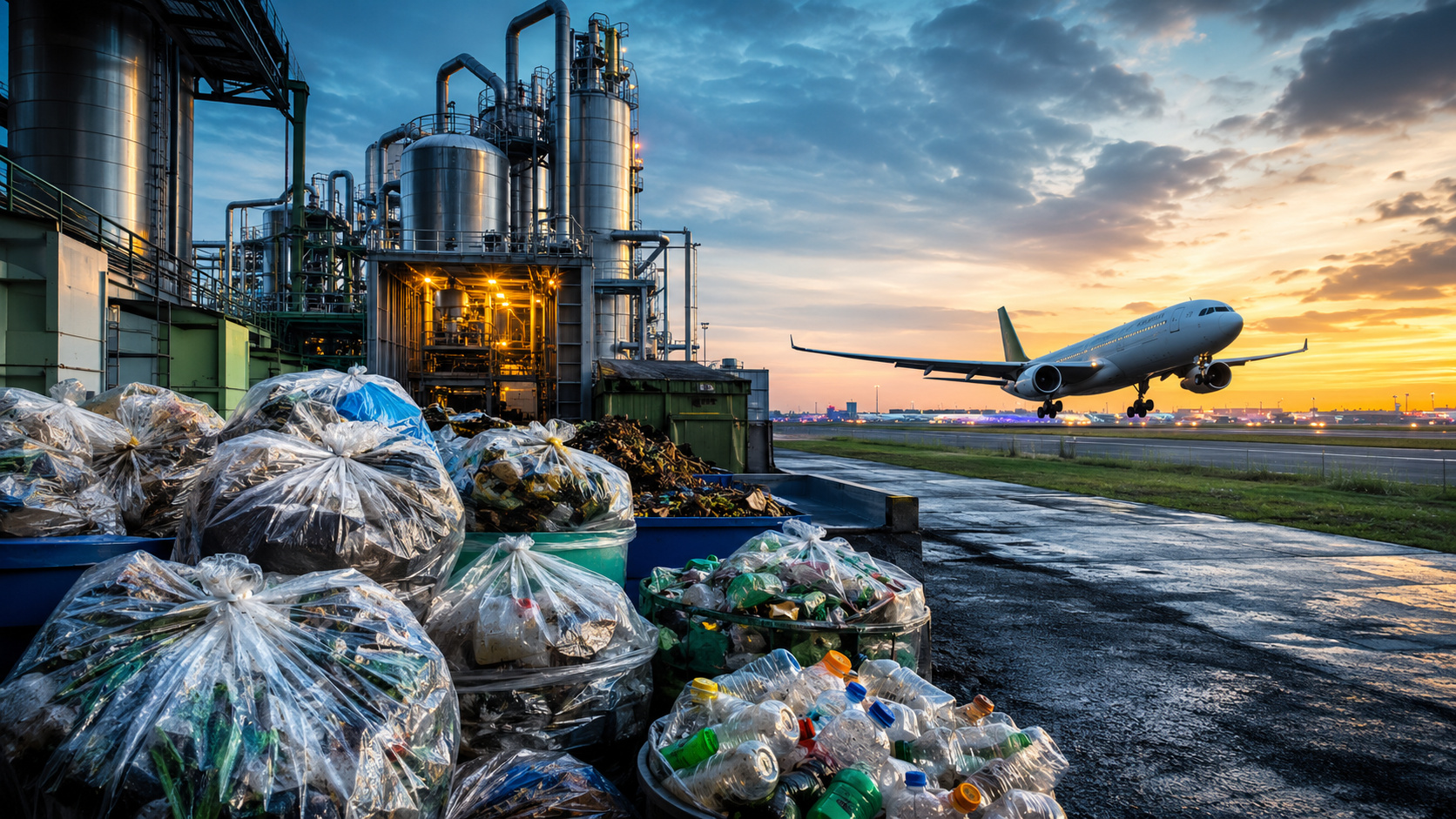
Qantas and Airbus Invest in Company Aiming to Convert Unsorted Household Trash into Jet Fuel

-
Brazil’s ANP Opens 86 New Oil Blocks in the Equatorial Margin, Expanding the Amazon River Mouth Frontier

-
OPEC+ Boosts Oil Supply by 188,000 Barrels per Day in July 2026, Leading to Price Drop from $112 to $89 per Barrel in Under Two Months


According to Borges, Brazil will still have to rely on gas imports, including in LNG form, for many years. LNG imports have increased in recent years, reaching a record 26 million m³/d in 2021, before falling to 7 million m³/d by November 2022, according to government data. Despite this, Borges also highlighted that there is a proposal to tax the gas being reinjected, which has sparked debates in the country. The media has suggested that the country should stop reinjecting gas and start selling it in the domestic market, now that the sector is heated.
Additionally, Borges stated that another 10% of the gas comes from the Urugua oil field in the Amazon region, which currently has no easy market and is primarily being used to recover condensate. Meanwhile, two private sector LNG terminals continue to import gas to supply power generators in off-grid areas. The executive emphasized that, despite the discussions surrounding the tax on reinjected gas, reinjection is still essential for the production process in the oil industry.









