Portuguese
  Spanish


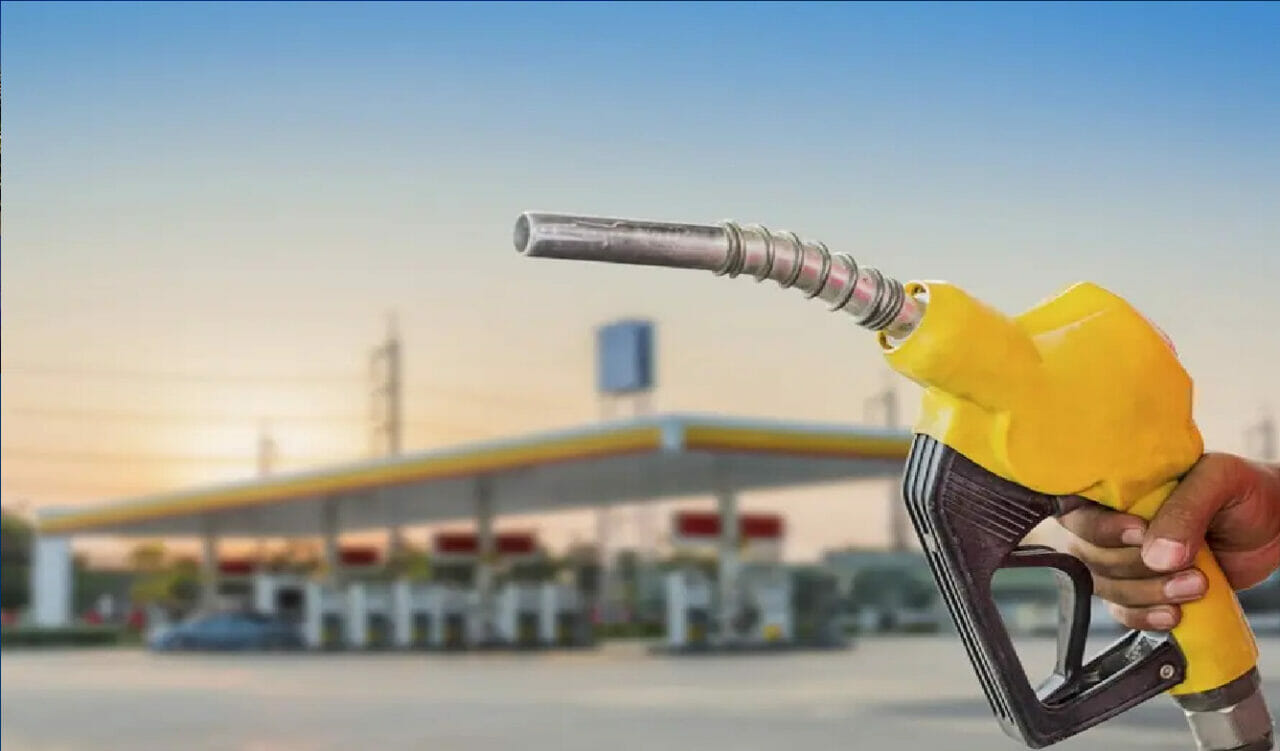

According to Petrobras, the increase will be R$ 0.41 for gasoline and R$ 0.78 for diesel
Petrobras, one of the leading companies in the energy sector in Brazil, surprised the market by announcing a price increase for gasoline and diesel. The change, which will take effect on Wednesday (16), represents a significant move that will directly impact consumers’ wallets, according to the G1 website.
According to the statement issued by Petrobras this Tuesday (15), the price increase will be considerable. The average price of gasoline will increase by R$ 0.41 per liter, reaching R$ 2.93. Diesel will see an even larger increase of R$ 0.78 per liter, reaching R$ 3.80. This change aims to rebalance the prices practiced by the company in relation to the market.
Context and Justifications
It’s important to note that the final price to consumers at fuel stations is influenced by various factors, including taxes, profit margins of distributors and retailers, as well as the blends of biofuels. Petrobras emphasizes that the price variation accumulated in 2023 so far has still resulted in a reduction of R$ 0.15 per liter for gasoline and R$ 0.69 per liter for diesel.
-
Abandoned Building in Brazil to Become Biotechnology Unit with $10 Million Investment, Bridging Science, Industry, and Public Health

-
Company Offering “Stones to Diamonds” Scheme Sells Ruined Italian Homes to Brazilians for 1 Euro, Disappears with Promised Renovations, Leaving Buyers in Debt to Italian Tax Authorities Until 2028 Without Property

-
Plastic Packaging Drives Santa Catarina Industry to 230% Growth, Aiming for R$ 500 Million by 2030 Amid Sector Crisis, with New Gearless Line Expanding in Southern Brazil to Compete in South America

-
Flamengo Star Invests in Brazilian Coastal Luxury Real Estate as Itapema Surpasses Balneário Camboriú in High-End Market Growth


The company also highlights that earlier this year, it adopted a new pricing policy, which is no longer based on import parity (PPI). However, recent factors, such as the rise in oil prices in the international market and the appreciation of the dollar, led Petrobras to reevaluate this approach. The company states that the new strategy aims to take into account Petrobras’ best refining and logistics conditions in determining prices.
Impacts and Commitment to Transparency
The announced increases may have considerable implications for consumers, especially in a scenario where the cost of living is already under pressure. Petrobras, however, reiterates its commitment to avoid the immediate transfer of international market volatility to internal prices. The company also seeks to maintain a healthy competitive environment, in line with current legislation.
As part of its pursuit of transparency, Petrobras makes information available on its website about the formation of average fuel prices to consumers. This initiative aims to provide a clearer understanding of the factors affecting fuel prices in the country.
The announcement by Petrobras regarding the price increase for gasoline and diesel highlights the complexity and sensitivity of the energy and fuel market. Global factors, such as oil prices and exchange rate fluctuations, can have a direct impact on internal prices, affecting consumers and the economy as a whole. The company reiterates its commitment to maintaining transparency while seeking a balance between consumer interests and market conditions.