Portuguese
  Spanish


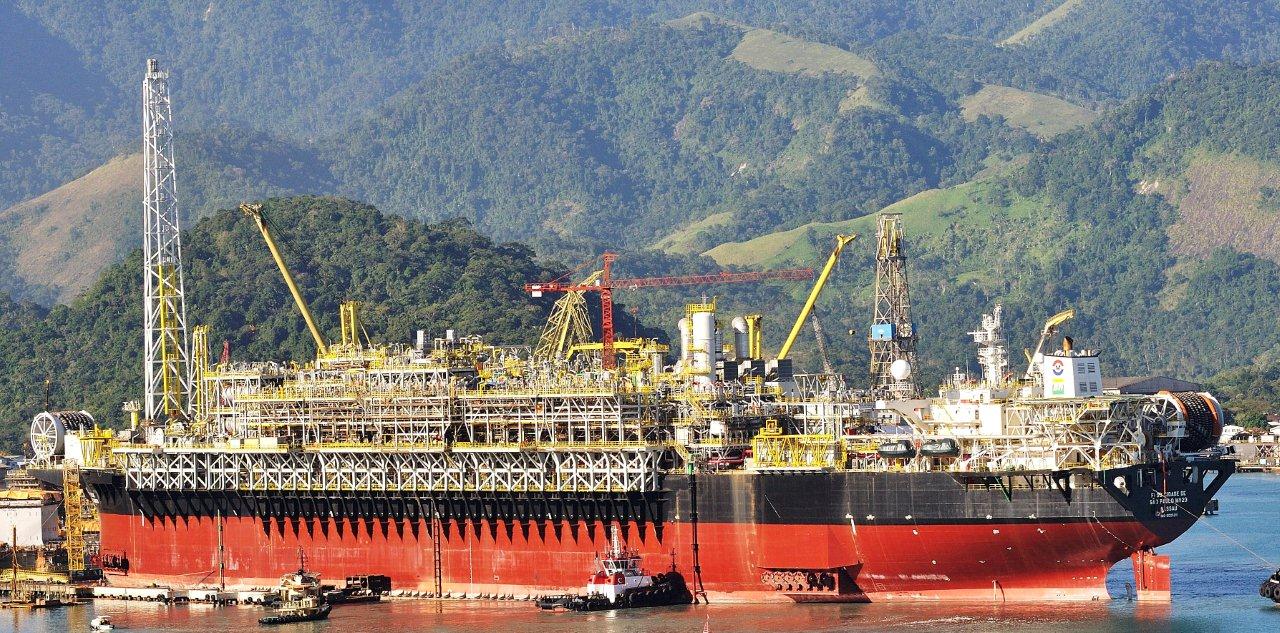

This Unit Will Be Destined for the Sepia Field, in the Pre-Salt Basin of Santos. Parts of the FPSO Will Be Assembled in Brazil
[supsystic-social-sharing id=’1′] Modec and Petrobras have just signed a contractual agreement to charter an offshore unit classified as FPSO (which is intended to produce, store, transfer oil and gas), which will be destined for the Sepia Field, in the Santos Basin. According to the official note from Petrobras, which was forwarded to the Comissão de Valores Mobiliários (CVM), the project includes the simultaneous connection of 15 wells to the offshore unit, with the first production expected in 2021.
The FPSO will be located approximately 250 km off the coast of our country, at a depth of 2 kilometers and 140 meters. Its capacity to process oil is 180,000 bpd and 6 million cubic meters of gas every day. This unit will be operated by MODEC and chartered for up to 21 years in the Sepia field. Part of the construction of this unit will take place in national territory, according to Petrobras’s requirements and based on previous charters.
Brazilian Naval Market
The signing of this contract opens up possibilities for other projects to be constructed in Brazil in the future. In the article where Petrobras claims that the taxes imposed by the government on oil companies wishing to produce and generate jobs in Brazil are very high, it is reported that it is much more advantageous to build in China than in the country itself. Recently, the ANP exempted Petrobras from building offshore units in the country, which has raised concerns among unions, prompting protests across the country. Source: Petrobras
-
Real Estate Agent Buys Marvel Movie Subway Car for $5,000 and Converts It into Themed Airbnb
-
Real Estate Agent Buys Marvel Movie Subway Car for $5,000 and Converts It into Themed Airbnb
-
Former Roma and Fiorentina Player Filipe Gomes Returns to Brazil to Found Empório do Galeto, Aiming for $10 Million Revenue by 2026
-
Canada Builds 6.2-Hectare Containment Box to Trap 615,000 Cubic Meters of Toxic Sediment in Lake Ontario