Portuguese
  Spanish


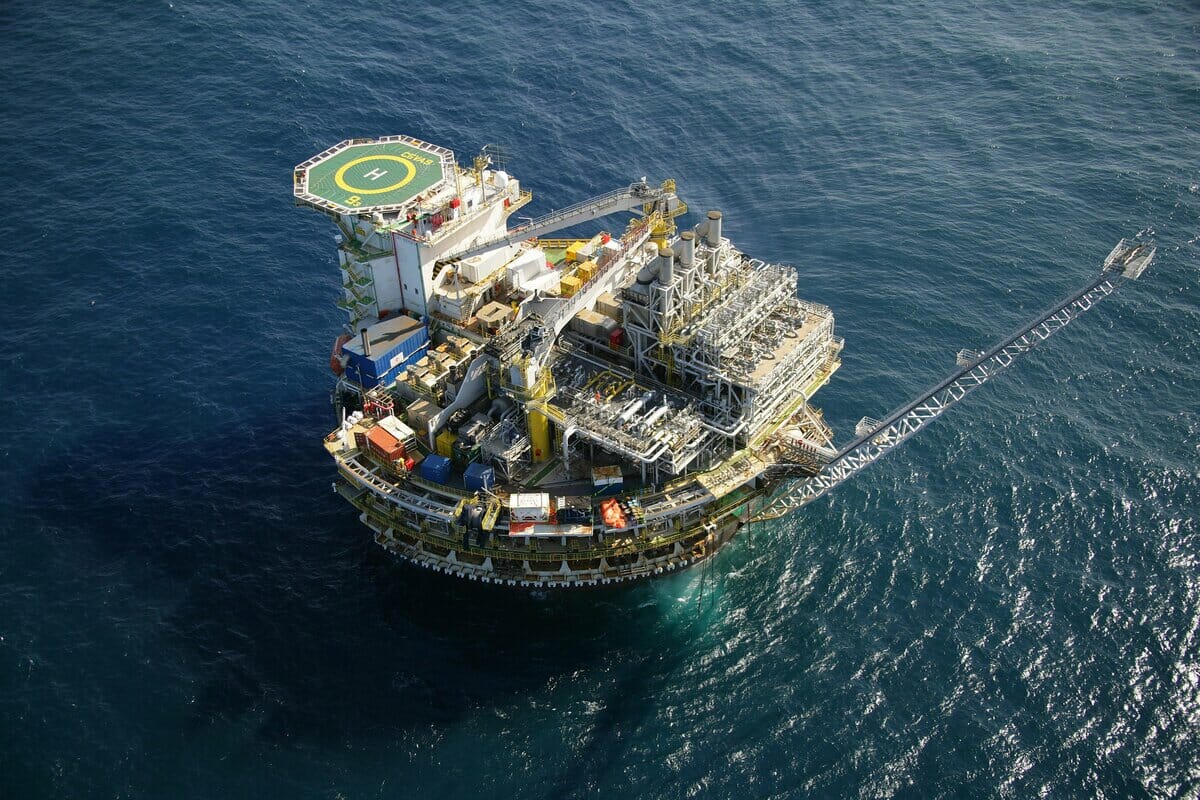

Petrobras’ Investment in the New PAC Equals 17% of the Total Project Amount. Under Prates’ Leadership, the Company Plans to Boost National Infrastructure Alongside the Federal Government.
Petrobras, a giant in the energy sector, announced last Friday (08/11) an impressive investment of R$ 323 billion in the New Growth Acceleration Program (PAC). Under the strategic leadership of President Jean Paul Prates, Petrobras positions itself as a key player in this project, which aims to transform national infrastructure and boost key sectors, paving the way for a more sustainable and resilient future.
Petrobras Will Be the State-Owned Company with the Largest Investment in the New PAC Alongside the Federal Government
At the launch ceremony for the highly anticipated new PAC, held last Friday, important public figures, including the Minister of the Civil House, Rui Costa, and Petrobras President, Jean Paul Prates, made an announcement that will bring significant benefits in the coming years: Petrobras commits to investing a substantial R$ 323 billion in the program, thereby boosting national infrastructure.
Thus, the company will be the state-owned entity that invests the most in the national infrastructure program, totaling 17% of the R$ 1.7 trillion that will be offered by the new PAC.
-
Qantas and Airbus Invest in Company Aiming to Convert Unsorted Household Trash into Jet Fuel

-
Brazil’s ANP Opens 86 New Oil Blocks in the Equatorial Margin, Expanding the Amazon River Mouth Frontier

-
OPEC+ Boosts Oil Supply by 188,000 Barrels per Day in July 2026, Leading to Price Drop from $112 to $89 per Barrel in Under Two Months

-
TotalEnergies Signs 20-Year Deal to Purchase 2 Million Tons of LNG from Alaska, Boosting Project Viability


In his speech during the event, President Luiz Inácio Lula da Silva highlighted: “Every historical change starts from a dream, and the dream of the Brazilian people is for a better life: with less inequality, with opportunities to start a business or find a job. The new generations want stability without the threat of environmental crisis.”
According to him, through the PAC, Brazil will fully reach its state potential in favor of the aspirations of society, harmonizing segments to unleash Brazil’s vigor.
In addition to Petrobras’s contribution as an investor, the Federal Government, state-owned companies, and the private sector are also joining in the new PAC project through public-private partnerships and strategic concessions.
Jean Paul Prates, President of Petrobras, reaffirms the company’s commitment to Brazil’s development.
According to him, Petrobras’ investment of R$ 323 billion will drive various projects ranging from the revitalization of pre-salt fields and platforms to the transformation of refineries into biorefineries.
The launch event for the new PAC for investing in infrastructure also featured prominent figures from the national government, including Vice President Geraldo Alckmin, Minister of Mines and Energy Alexandre Silveira, and Minister of Finance Fernando Haddad.
Petrobras Directs Investments to Strategic Projects in the National Market
The Strategic Plan (PE) 2023 – 2027 outlined the routes that define Petrobras’s priority projects, thus determining the PAC investment that will be allocated to the enterprises.
Among these projects, 47 have been carefully selected, with a focus on the decarbonization fund, while others await maturity, pending the green light from the next PE 2024 – 2028.
Within the PAC portfolio, 19 exploration and production systems stand out, covering the Campos and Santos basins, in addition to two additional systems for the Sergipe waters.
Furthermore, under Prates’ command, the state-owned company is eyeing new exploratory frontiers, where it plans to drill nine wells in the Equatorial Margin in the north of the country.
In the transportation infrastructure, key projects such as the Integrated Route 3 Program will enable the efficient transportation of pre-salt gas from the Santos Basin, along with the SEAP I and II pipelines.
Efforts in the refining sector are focused on increasing both capacity and the quality of products.
The company led by Prates is also planning a program to build 25 ships at Brazilian shipyards in the coming years.
Thus, Petrobras’ investment in the new PAC demonstrates only a portion of the state-owned company’s plans for national infrastructure.