






 Portuguese
  Spanish


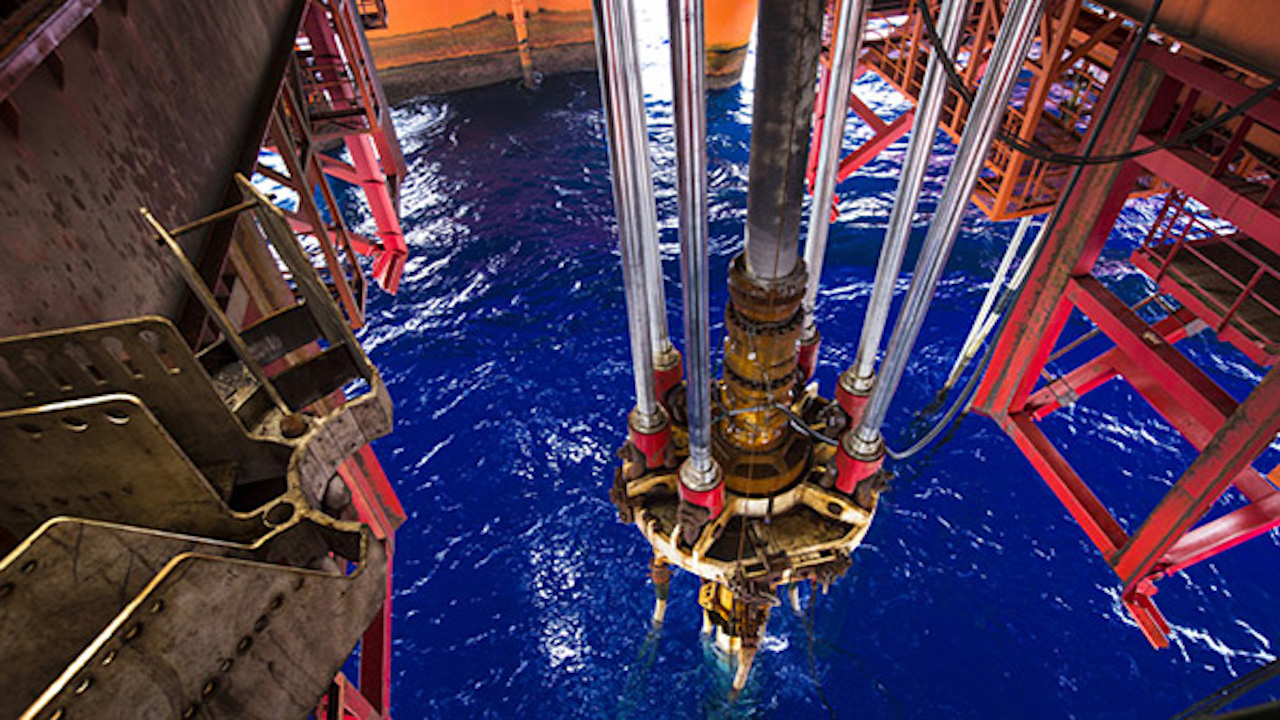

With Investments Over R$ 400 Billion, Petrobras Announces 15 New Oil Platforms to Start Production in the Next Five Years
A Petrobras executive reported last Monday that the Brazilian state-owned oil company is preparing to drill its first of 14 planned wells in the deep waters of the Brazilian equatorial margin next year, considered a new exploratory frontier.
Read Also
- Petrobras Sold Yesterday (06/12), For Over R$ 1 Billion, Nine Onshore Oil Exploration and Production Fields in Bahia
- Petrobras Sold Yesterday (06/12) For R$ 61 Million, Three Oil-Fueled Thermoelectric Plants in Bahia
- Petrobras Transferred, On Saturday (04/12), The Operation of The LNG Regasification Terminal in Bahia to Excelerate and The Regasification Vessel of The Brazilian Oil Company Will Be Directed to The Pecém Terminal in Ceará
- Bill That Promotes Changes to The Fuel Price Policy for Gasoline and Diesel Practiced by Petrobras and Taxes Oil Exports Will Be Voted Next Tuesday (07/12)
The announcement took place during the Web Series, “Equatorial Margin: Opportunities and Challenges,” held by the American Chamber of Commerce for Brazil (AMCHAM) in Rio de Janeiro. The event brought together representatives from companies and experts to discuss oil exploration in Brazil’s equatorial margin, which includes the Pará-Maranhão basin, one of the most promising in production, according to technical studies.
Petrobras’s Strategic Plan Foresees Investments Over R$ 400 Billion and Announces 15 New Oil Platforms to Start Production in The Next Five Years
On December 24, Petrobras announced the Strategic Plan 2022-2026, which foresees investments of US$ 68 billion. The amount is 24% higher than the forecast in PE 2021-2025. Of this amount, the company intends to invest about US$ 5.5 billion in the exploration of basins in the Southeast and the equatorial margin.
-
Brazil’s ANP Opens 86 New Oil Blocks in the Equatorial Margin, Expanding the Amazon River Mouth Frontier

-
OPEC+ Boosts Oil Supply by 188,000 Barrels per Day in July 2026, Leading to Price Drop from $112 to $89 per Barrel in Under Two Months

-
TotalEnergies Signs 20-Year Deal to Purchase 2 Million Tons of LNG from Alaska, Boosting Project Viability
-
Turkey Deploys Çağrı Bey Drilling Ship to Explore New Oil Frontier Off Somalia’s Coast
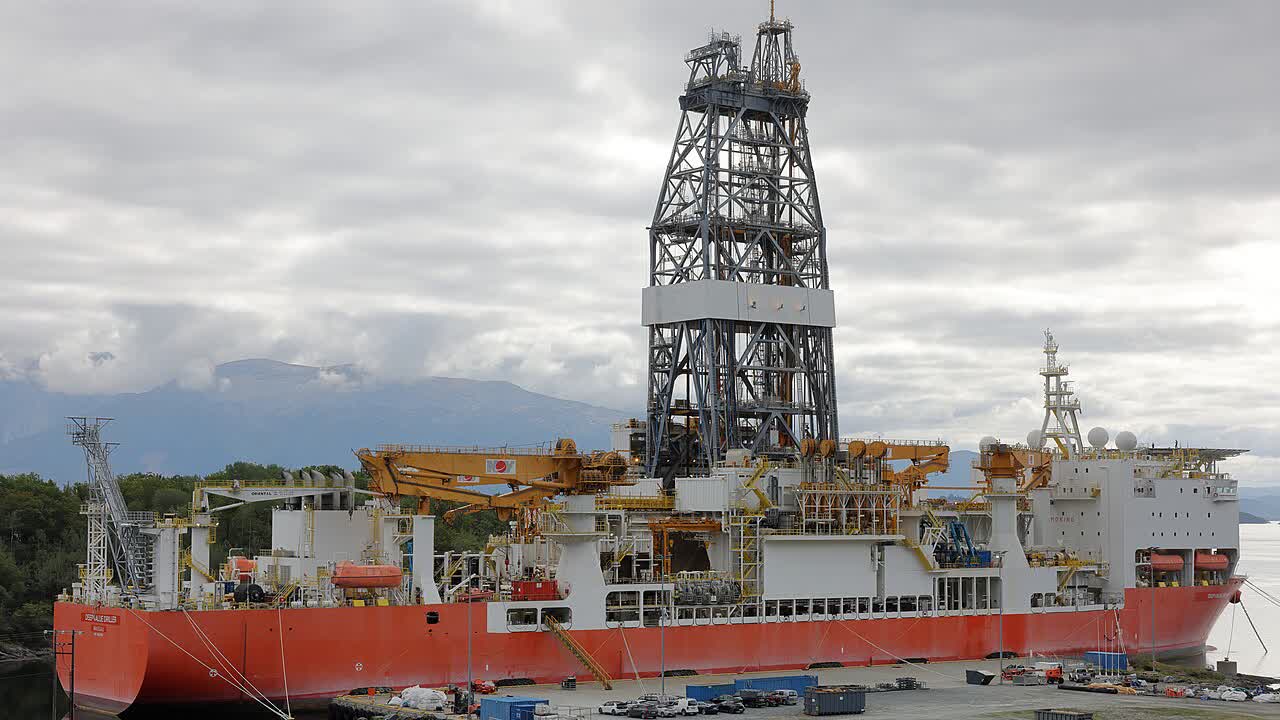
US$ 2 billion (over R$ 11 billion) will be allocated for exploration in the equatorial margin until 2026, said reservoir executive manager Tiago Homem during the World Petroleum Congress in Houston.
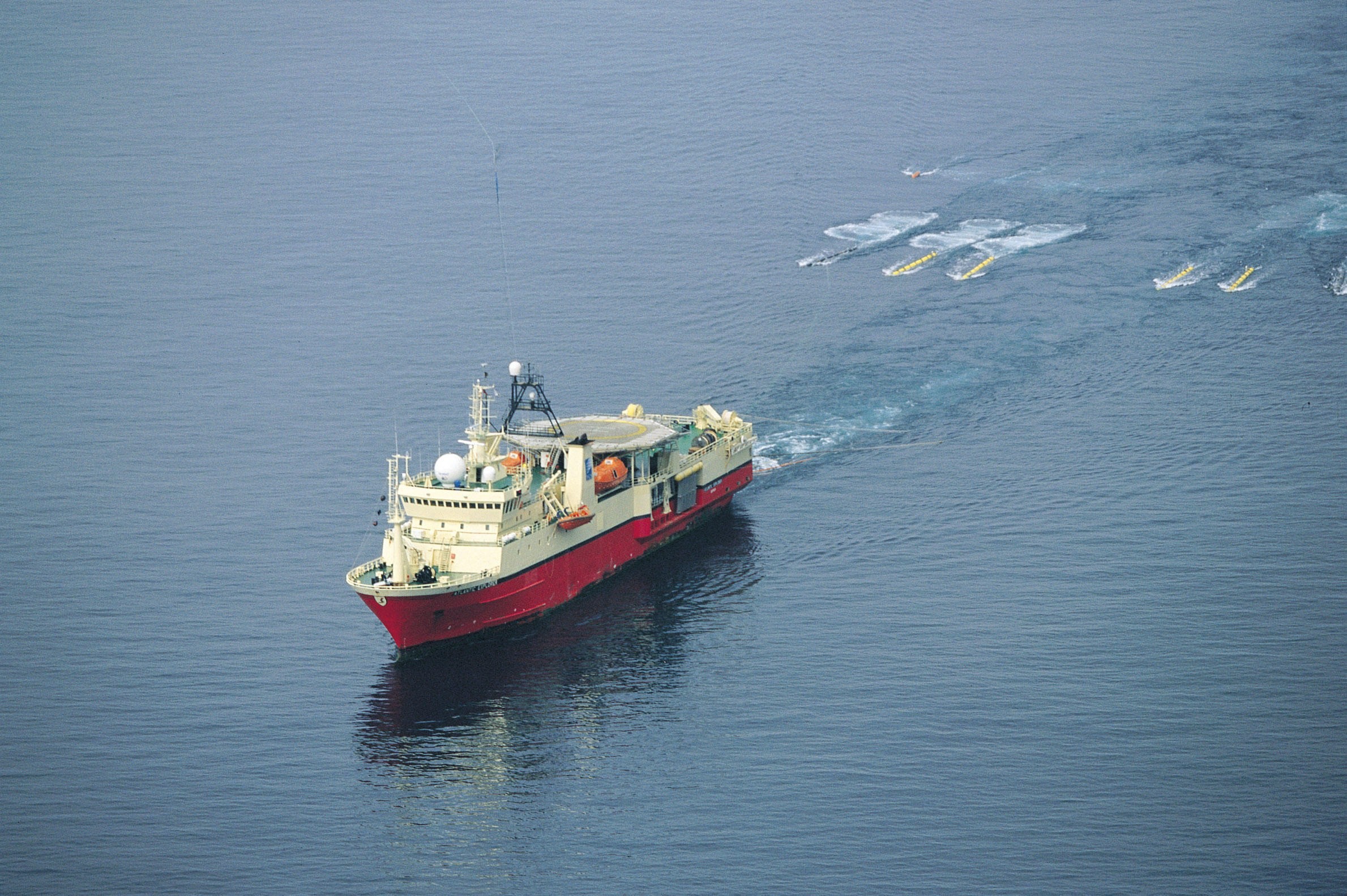
Additionally, Petrobras anticipates a global investment of US$ 2.5 billion (amounting to over R$ 14 billion) in seismic activities in the same period.
“Petrobras maintains its consistent strategy of focusing on projects with full potential to generate resources and contributions to Brazilian society. We prioritize transforming resources into wealth for the country while following a sustainable path for the energy transition. We have increased our investment forecast for the coming years and we do this with extreme responsibility and diligence in resource allocation,” emphasizes Petrobras’s president, Joaquim Silva e Luna.
In the E&P segment, US$ 57 billion will be invested between 2022 and 2026. For this period, there is a forecast for the operation of 15 new platforms in six fields, with a change in the strategy of hiring chartered units for own ones in some of the projects.
Petrobras Announces The Start of Manufacturing in Brazil of The Production Modules for Platform P-78 at The Brasfels Shipyard in Angra dos Reis (RJ), Which Will Operate in The Largest Deepwater Asset in The World
Good news for Brazilian shipbuilding! The Brazilian oil giant Petrobras announced last night, in a relevant fact to the market, the start of manufacturing in Brazil of the production modules for platform P-78 at the Brasfels shipyard in Angra dos Reis (RJ).
According to the state-owned company’s announcement, the modules are units responsible for processing oil, gas, and water and make up, along with the hull, the utilities and the flare, the entire structure of a floating platform of this type. This phase of the work foresees the simultaneous manufacturing of ten modules, out of the 21 planned for P-78, and is expected to be completed in about 20 months. Read The Full Article Here.


