Portuguese
  Spanish


The Governor of Amapá Highlights How Oil from the Equatorial Margin Can Transform the State by Attracting Investments, Generating Jobs, and Accelerating Sustainable Infrastructure Works in the Region
On November 10, 2025, the governor of Amapá, Clécio Luís, announced that the resources from oil exploration oil in the Equatorial Margin will be allocated to infrastructure, the protection of indigenous lands, and sustainable development. The statement was made during COP30 in Belém, as reported by the magazine Examand.
What Is the Equatorial Margin and Its Energy Potential
Clécio Luís stated that oil will be used as a economic matrix to enable investments in infrastructure, ensure the protection of indigenous lands, and promote sustainable development in Amapá. The statement marks a turnaround in the state’s economic policy, which had previously relied heavily on federal transfers and its environmental vocation.
The Equatorial Margin is a coastal strip that extends from Rio Grande do Norte to Amapá, with high potential for oil and gas yet to be explored. The region is considered strategic by Petrobras and the federal government, especially after the environmental license was granted by Ibama for drilling in block FZA-M-059, located 175 km off the coast of Amapá.
-
Oil production grows in Rio, but reserve replacement raises a warning sign

-
Petrobras is expected to complete the drilling of the Morpho well in the Foz do Amazonas in August 2026, the first well in the Equatorial Margin, an oil frontier that the ANP estimates at more than 30 billion barrels and could redraw the map of Brazil.

-
Oil returns to the center of concerns with tension between the US and Iran

-
IEA reduces forecast for global oil demand in 2026 after impacts of the Middle East crisis
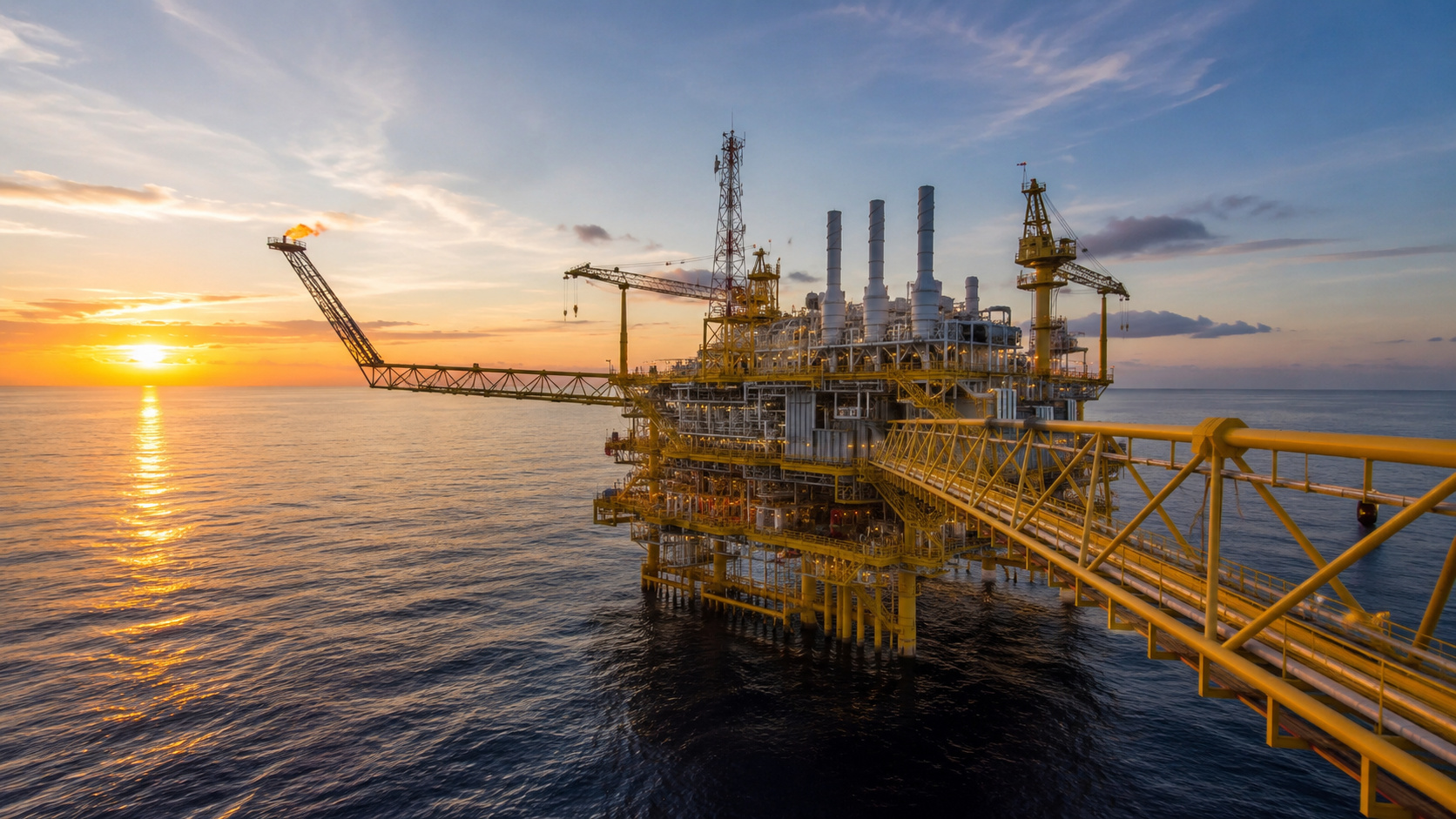


Geological studies indicate that the area possesses characteristics similar to the basins of Guyana and Suriname, where significant reserves have been discovered in recent years. The Equatorial Margin could become one of Brazil’s main energy sources in the coming decades.
Clécio Luís Advocates for Sustainable Development in Amapá
The governor Clécio Luís has emphasized that oil exploration should be conducted with environmental responsibility. According to him, Amapá is the state with the lowest deforestation rate in Brazil and is considered carbon negative, meaning it captures more carbon than it emits.
Amapá is recognized as an example of environmental preservation and now aims to become a reference in sustainable development. The proposal is that oil royalties be applied to infrastructure works, such as roads, sanitation, and energy, in addition to public policies aimed at the protection of indigenous and traditional communities.
Infrastructure in Amapá: Historical Bottlenecks and New Perspectives
Amapá has faced structural deficits in essential areas for decades. According to data from IBGE and the Municipalities and Sanitation website, a significant portion of the state’s population lacks access to adequate basic sanitation. Additionally, the road network is limited, hindering the transportation of production and access to public services.
With the new revenue from oil, the state government aims to invest in:
- Paving of strategic highways, such as BR-156;
- Expanding the electricity grid for isolated communities;
- Constructing hospitals and schools in remote areas;
- Modernizing regional ports and airports.
These investments can radically change the quality of life for the people of Amapá.
Oil and Protection of Indigenous Lands in Amapá
Another pillar of the proposal is the protection of indigenous lands. Amapá is home to various ethnic groups, such as the Waiãpi and Galibi Marworno peoples, who live in preserved forest areas. The government promises to allocate part of the oil resources to:
- Strengthen the demarcation and oversight of indigenous lands;
- Support ethnodevelopment projects;
- Ensure access to differentiated health care and education.
The idea is that economic development goes hand in hand with cultural appreciation and the protection of indigenous rights.
Environmental Licensing and Ecological Responsibility
Oil exploration in the Equatorial Margin has generated intense debates among environmentalists, the government, and the productive sector. Ibama authorized drilling after the approval of the Oil Spill Protection and Care Plan (PPAF), which establishes rigorous protocols to mitigate environmental impacts.
The environmental license is an important regulatory milestone, as it demonstrates that it is possible to reconcile natural resource exploration with ecological responsibility. Nevertheless, civil society organizations continue to monitor the process to ensure that commitments are fulfilled.
Economic Potential of Oil in the Equatorial Margin
According to estimates from Petrobras, the Equatorial Margin could generate billion in royalties and special contributions in the coming years. For Amapá, this presents a unique opportunity to diversify its economy and reduce dependence on federal transfers.
Moreover, the oil production chain can create thousands of direct and indirect jobs, especially in:
- Logistics and transportation;
- Civil construction;
- Technical and environmental services;
- Professional training and capacity building.
Oil could be the engine of a new regional economy.


Clécio Luís and the Challenge of Transparent Governance
Despite the promises, the project faces significant challenges:
- Ensuring that the resources are well applied and not diverted;
- Avoiding irreversible environmental impacts;
- Promoting social inclusion and preventing regional inequalities;
- Maintaining transparency and social control over investments.
The success will depend on governance and the active participation of civil society. Clécio Luís’s role will be crucial in ensuring that Amapá becomes an example of efficient and sustainable public management.
Oil in Amapá: An Opportunity for a Balanced Future
Oil exploration in the Equatorial Margin represents a historic turning point for Amapá. Under the leadership of Clécio Luís, the state has the opportunity to transform natural wealth into human development, respecting the environment and indigenous peoples.
If well managed, this new economic cycle could position Amapá as a national reference in sustainable development. The key will be balancing growth with preservation, infrastructure with inclusion, and wealth with social justice.