Portuguese
  Spanish


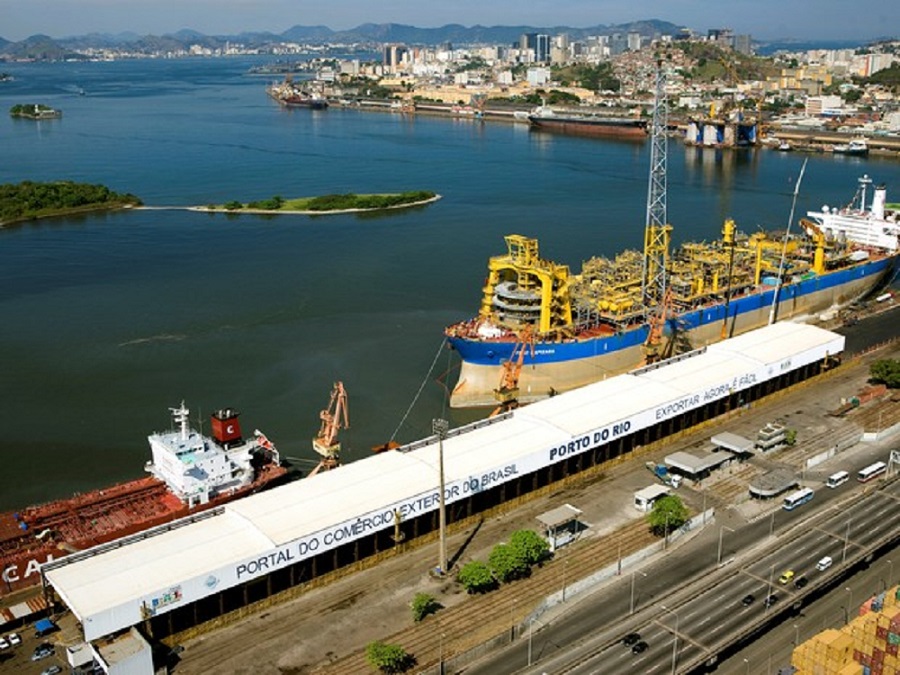

Study Released by Firjan, Not Conducted Since 2014, Projects Billion-Dollar Investments Over Two to Ten Years and Indicates What the Projects Will Be in the State of Rio de Janeiro
The crisis that has struck the state of Rio de Janeiro seems to be starting to pack its bags and leave us. A study by Firjan pointed to an expected inflow of R$ 162.3 billion in investments.
The oil and natural gas sector is responsible for 82% of the potential optimism, although the study does not indicate how many jobs will be created, the expectation is that job creation will be possible after the approval of the pension reform and the improvement of public safety.
The Firjan study culminated in the publication of the “Investment Map for the State of Rio de Janeiro (2019)” which, according to it, was based on projects with confirmed financing lines or defined licenses.
Some projects have a two-year timeframe to occur, while others have longer timeframes, potentially reaching ten years.
-
Brazilian Innovator Uses 3D-Printed Device to Cool Two Rooms with One Air Conditioner
-
China Uses 432 Robots to Move a 7,500-Ton Historic Building in Shanghai, Preserving Architecture While Creating Space for Underground Center
-
Dutch Initiative Swaps Cigarette Butts for Food to Clean Streets, Combat Pollution, and Turn Waste into Recycled Furniture

-
Kenyan Company Recycles Over 10 Million Flip-Flops from Indian Ocean Beaches into Elephant and Giraffe Sculptures Sold for Up to $1,200

The Projects
The gas hub at the Port of Açu, in the northern region of the state of Rio de Janeiro, for example, is already set for 2021, and the Firjan study, which was conducted again after 5 years, points to 111 confirmed projects in the state.
Of this total, 24 are from foreign initiatives, meaning 36% of the investment (R$ 59 billion), and the study also highlights the companies involved, notably Petrobras, Exxon, the French DCNS (Navy Submarines), Nissan, and CSN.
In terms of sectors, the leadership belongs to Oil and Gas, with R$ 133.2 billion in investments, with the second place going to the transformation industry, at R$ 19.8 billion.
The infrastructure sector also stands out with R$ 2.1 billion in confirmed investments in the capital, Rio de Janeiro.
Fluminense economics specialist and UFRJ economics professor, Mauro Osório, explains that even with an investment of R$ 133.2 billion in the Oil and Gas sector, it needs to be analyzed how much of this amount will remain in Rio de Janeiro, as only 16% of suppliers in this sector are located in the state.
Since Oil is sold outside the state, the ICMS will not be collected where it is sold, and it is also a sector that uses many imported equipment.
For these investments to be maximized, a favorable environment needs to be created by the government, as many are foreign and will require, for example, the approval of reforms and improvements in public safety.
The specialist also highlighted that Rio de Janeiro needs to diversify its investments and not rely on Oil as it has happened before with a not-so-good track record.
Petrobras Will Invest US$ 27 Billion in the Pre-Salt and US$ 20 Billion in the Post-Salt!