






 Portuguese
  Spanish


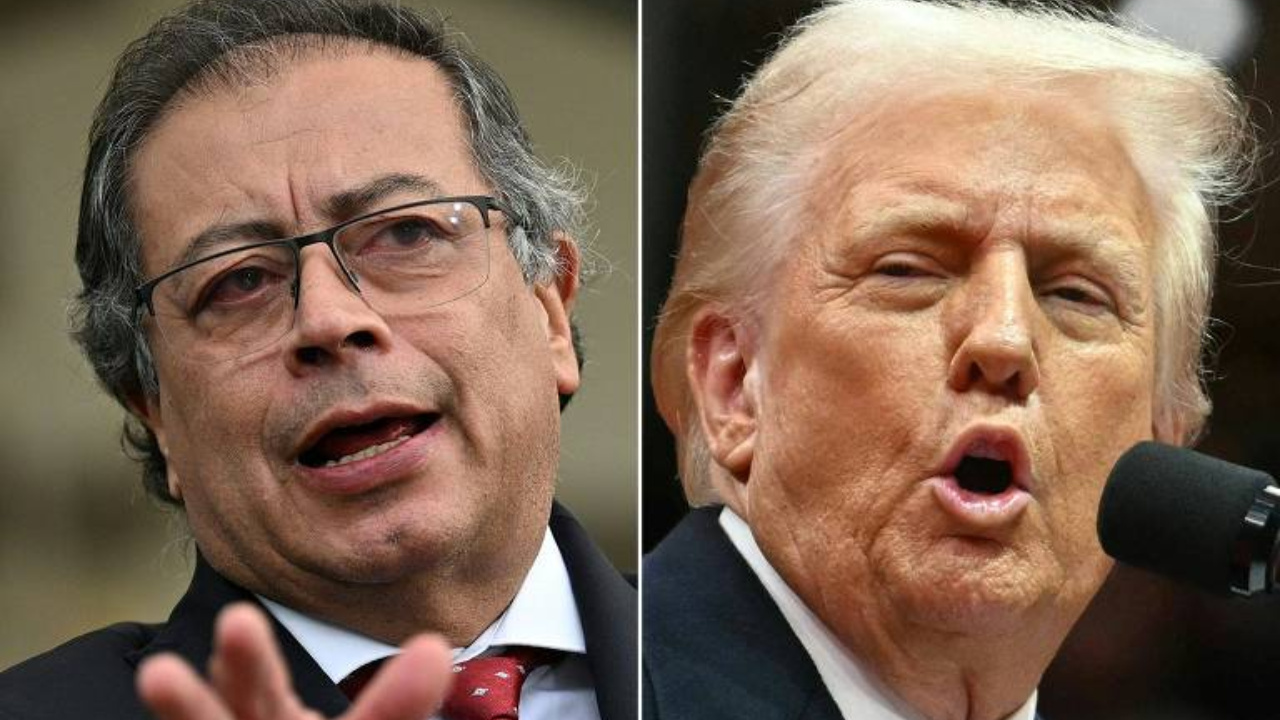


Colombian President’s Statements Rekindle International Debate by Pointing Out Venezuelan Oil as Main Motivation for U.S. Pressure, Not Democracy or Drug Trafficking.
Oil has once again dominated the political and diplomatic discourse in the Americas. This time, the statements come from Colombian President, Gustavo Petro, who accuses the U.S. government of directing its pressure on Venezuela with a primary focus on the vast oil reserves of the neighboring country.
According to the Colombian leader, the rhetoric linked to democracy and the fight against drug trafficking conceals deep economic interests related to energy.
In an interview with CNN, Petro was direct in stating that oil is the “crucial point of the issue,” especially at a time of heightened tensions between Washington and Caracas, under the administrations of Donald Trump and Nicolás Maduro.
-
OPEC+ Boosts Oil Supply by 188,000 Barrels per Day in July 2026, Leading to Price Drop from $112 to $89 per Barrel in Under Two Months

-
TotalEnergies Signs 20-Year Deal to Purchase 2 Million Tons of LNG from Alaska, Boosting Project Viability
-
Turkey Deploys Çağrı Bey Drilling Ship to Explore New Oil Frontier Off Somalia’s Coast
-
Golden Pass LNG Ships First Liquefied Gas Cargo from the U.S., Completing $10 Billion QatarEnergy and ExxonMobil Investment

Oil Reserves Put Venezuela in the Crosshairs
According to Gustavo Petro, American geopolitical logic is directly associated with the size of Venezuelan reserves. The South American country holds some of the largest oil reserves on the planet, especially heavy oil, a strategic resource in a global scenario marked by conflicts and uneven energy transition.
“I think this is Trump’s logic. He is not thinking about the democratization of Venezuela, let alone drug trafficking,” Petro stated, emphasizing that crude oil is the true factor of interest. In his view, the political narrative would serve to justify broader economic and diplomatic pressures.
Criticism of the Narrative Against Drug Trafficking
Furthermore, the Colombian president questioned the recurring association between Nicolás Maduro’s government and international drug trafficking. According to Petro, there is no evidence to support this connection based on official investigations conducted in Colombia.
“Maduro’s problem is called democracy. I recognize it as such: a lack of democracy and dialogue. No Colombian investigation – independent of the president and conducted in years when I was not president – shows any relationship between Colombian drug trafficking and Maduro,” he declared.
Petro added that only a small portion of global drug trafficking passes through Venezuela, which, according to him, further weakens the argument used as justification for sanctions and international pressures.
Parallels with Other Global Oil-Fueled Conflicts
By broadening the debate, the Colombian leader drew a direct parallel between the situation in Venezuela and other contemporary conflicts. For Petro, oil is a common denominator in recent wars and geopolitical disputes.
“What is behind this is the same thing that is behind the war in Ukraine: oil, oil,” he stated. He pointed out that, like Venezuela, regions involved in strategic conflicts have relevant energy reserves, which reinforces oil’s central role in global political decisions.
According to Petro, “all the wars of this century have been related to oil,” a statement that reinforces a critical view of the role of major powers in defining alliances, sanctions, and armed confrontations.


