Portuguese
  Spanish



The Residents Of The United States Fear For Their Own Lives Due To The Risks Of Explosion Of Lithium-Ion Batteries, As Well As The Building
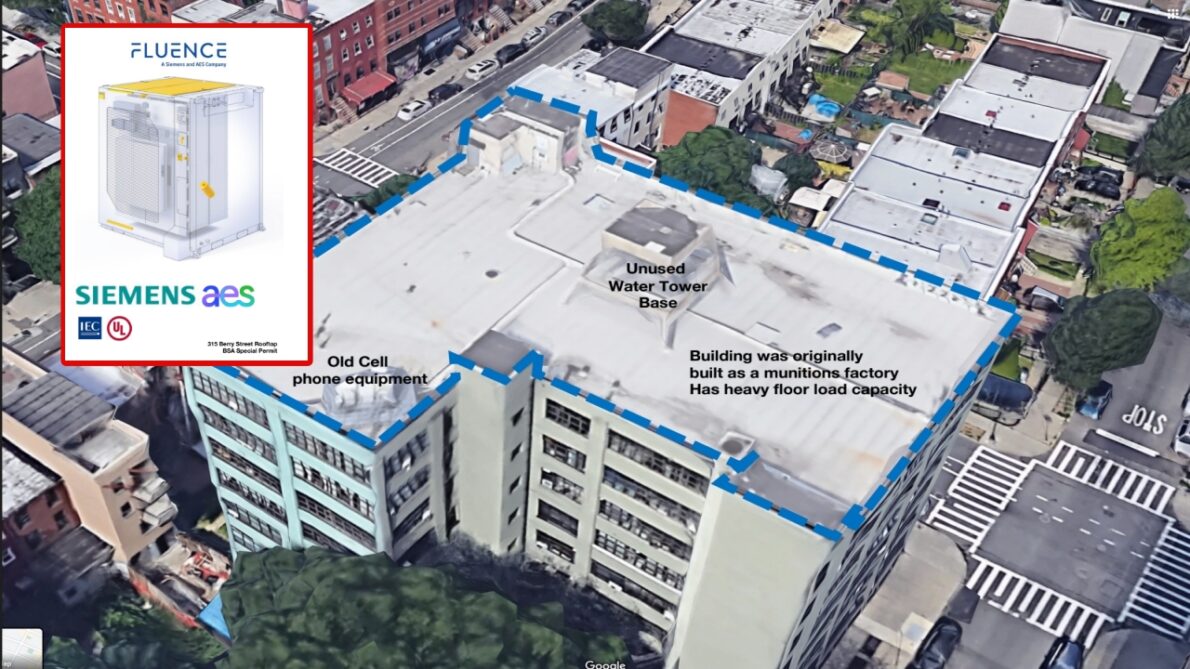
The United States is quietly moving to allow giant lithium-ion batteries to be installed on the rooftops of buildings in New York. MicroGrid Networks plans to build a colossal energy storage system atop a building in Brooklyn.
The U.S. nonprofit company says viable locations for battery storage — touted as the future of green energy — are extremely limited, and building on top of New Yorkers’ homes is necessary for the city to meet its climate goals.
If approved, the project would mark the first time such a substation could be built on the rooftop of a residential building anywhere in the neighborhoods, in the United States, potentially spreading its ambitious idea around the world.
-
Solar Chimney in Spain Harnessed Sun to Generate Electricity for 7 Years Without Burning Fuel

-
Brazil to Hold First Auction for Batteries to Store Solar and Wind Energy from the Northeast

-
Solar energy reaches 55 GW, becoming the second largest power source in Brazil’s energy mix

-
Brazilian scientists are simultaneously advancing two research projects on clean hydrogen and driving solutions that could transform the energy matrix, enhance industrial competitiveness, and accelerate large-scale emission reduction targets.
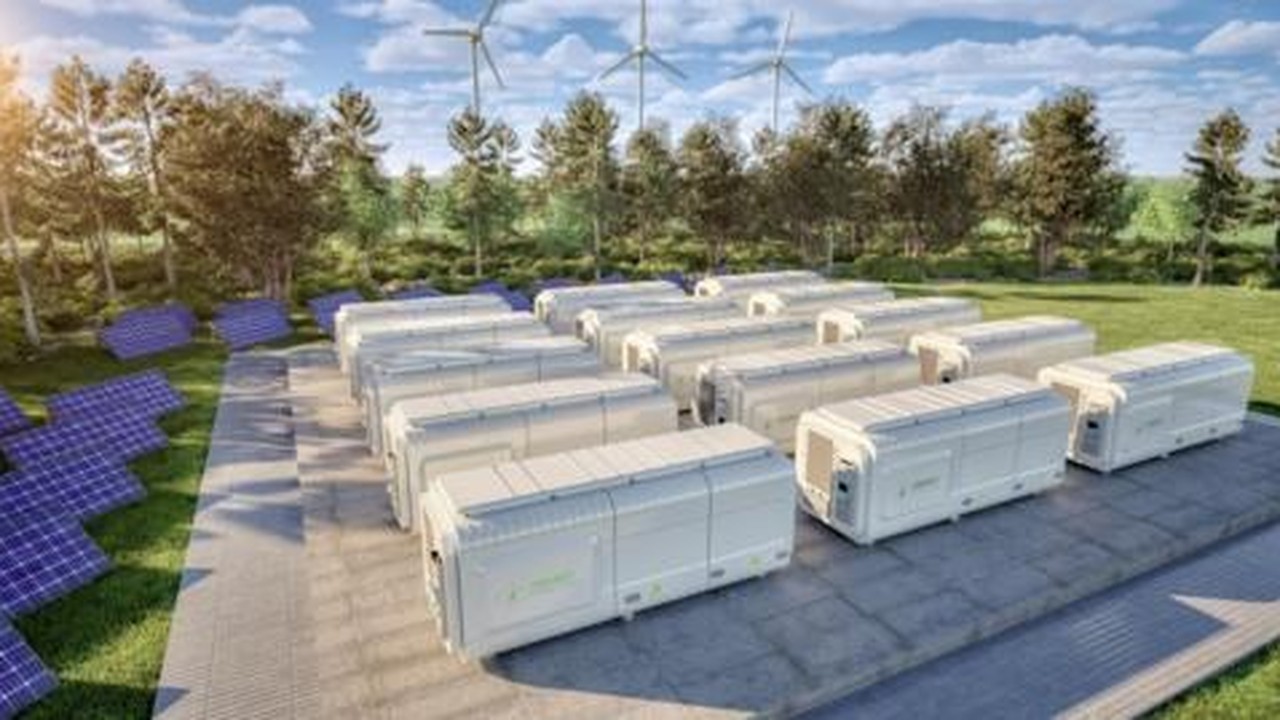


MicroGrid has been working since 2020 to place 2.5 megawatts of energy storage on top of a seven-story building. Battery banks similar to lithium-ion ones — which recharge at night and then sell power to ConEd during heat waves and other peak times of grid usage — are currently installed on the rooftops of Barclays Center and TWA Hotel at JFK Airport, in New York, United States.
“They are essential to meet New York City’s renewable energy goals and to alleviate the aging infrastructure,” the company said.
Company Faces Difficulties In Finding Owners Willing To Host Its Batteries
Not everything is rosy; the company has been facing difficulties in finding owners willing to host its batteries, and the residents of the Williamsburg building are not at all pleased with the idea.
For two years, the residents of Williamsburg have fought tooth and nail to not become the first apartment building to showcase cutting-edge technology on its roof. If authorized, it would open the floodgates for lithium-ion batteries to be built on other residential rooftops.
The residents fear for their own safety due to the risks of explosion from lithium-ion batteries, as well as the building — specifically, if its structure is capable of supporting several tons above them.
“It’s more frightening than frustrating — the prospect of living with around 135 tons of batteries over your head that could catch fire or explode at any moment,” said Olivia Silver, 25, who has lived at 315 Berry her whole life, to The Post. (MicroGrid estimated that the equipment will weigh over 300,000 pounds)
The residents point to recent Tesla battery fires as an example, claiming that MicroGrid’s lithium iron phosphate batteries are similar, and of an order of magnitude larger. In defense, the company wrote in a presentation that “these batteries, unlike other lithium batteries, do not catch fire,” but other lithium iron phosphate batteries have been involved in at least one recent fatal explosion.
Additionally, the residents of the building note that their 49-unit building, from the early 20th century, is not in a condition to bear more weight on its roof as it is covered with cracks, floods frequently, has over 25 open violations, and has a partial eviction order from when a piece of the façade fell into the now-closed community garden below.