Portuguese
  Spanish


Scottish Scientists Develop Innovative Technique That Transforms PET Plastic Into Pure Paracetamol In Less Than 24 Hours, With Help From Modified Bacteria.
A new scientific breakthrough promises to transform the pharmaceutical industry and reduce pollution at the same time. Researchers at the Wallace Laboratory of the University of Edinburgh have developed a method for producing paracetamol — also known as acetaminophen — using plastic waste, with the help of modified bacteria. The process takes less than 24 hours and virtually produces no carbon emissions.
From Oil To Bacteria: A Course Change
Currently, paracetamol is produced from fossil fuels, such as crude oil. This traditional process consumes a lot of energy and emits large amounts of carbon. Every year, thousands of tons of fossil fuels are burned to keep pharmaceutical factories running.
But now, scientists have presented a more sustainable alternative. Instead of relying on oil, the new method uses the bacteria E. coli, which has been genetically modified. This bacterium can transform terephthalic acid, a common substance in plastic bottles, into paracetamol.
-
The Trap of Modern Technology: How Screen Overload and Digital Connections Can Impact Your Mental Health and Well-being

-
Wyoming Couple Grows Tropical Fruits Year-Round in -40°C Using Geothermal Greenhouse, Demonstrating Earth’s Heat Can Produce Oranges and Lemons in Snow Without Traditional Heating

-
Ship Returns from Brazilian Coast with Thirty Newly Discovered Life Forms
-
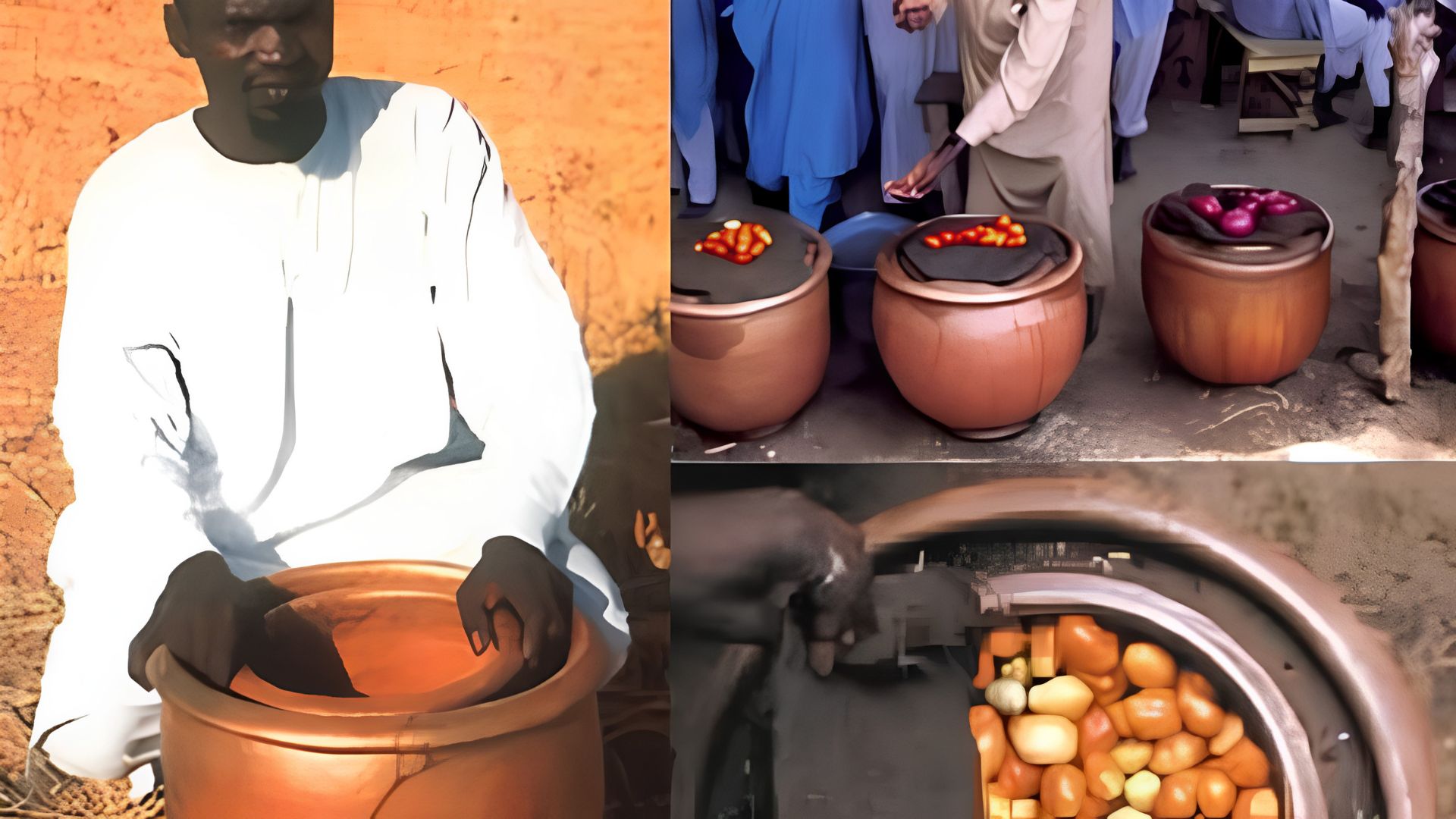
Nigerian Professor Invents Electricity-Free Refrigerator Using Clay Pots and Wet Sand, Extending Shelf Life of Vegetables to 27 Days; 7,000 Units Distributed in Energy-Deprived Villages


How The Process Works
The technique is similar to the fermentation used in beer production. Researchers took industrial waste from polyethylene terephthalate (PET), a material commonly found in food and beverage packaging, and transformed it into pure paracetamol.
The results were surprising: in laboratory tests, 90% of the final substance was pure paracetamol. Moreover, the entire process occurred at room temperature, without the need for excessive heat or aggressive chemicals.
During the experiment, scientists observed a rare chemical reaction, known as Lossen rearrangement, occurring within living cells.
This reaction had never been recorded in nature. Normally, it requires strict laboratory conditions, but in this case, it was catalyzed by natural phosphate present in the bacteria themselves.
DNA, Fungi, and Soil Microbes
To transform plastic into medicine, researchers first converted PET into an intermediate compound.
Then, they incubated this material with genetically altered E. coli bacteria. With the usual production pathway blocked, the bacteria were forced to use plastic as their primary source. The compound was transformed into PABA, a molecule that bacteria normally use to produce DNA.
The innovation went further. Scientists inserted two extra genes: one extracted from fungi and another from soil bacteria.
This allowed E. coli to complete the process and produce paracetamol from PABA. In less than 24 hours, the medicine was ready.
Reduce Waste and Manufacture Medicine At The Same Time
The new method could have a dual impact: helping to combat plastic pollution and making drug production cleaner.
The PET plastic used in the research accounts for over 350 million tons of waste generated each year. Even though it is recyclable, most of it eventually ends up as more waste over time.
According to Professor Stephen Wallace, the leader of the research, the work shows that plastic does not have to be just waste or recycled into more plastic.
It can be turned into something new and useful, like a medicine. “It can be transformed by microorganisms into valuable products, including pharmaceuticals,” said Wallace.
Still In Testing Phase, But With Great Potential
Despite the positive results, scientists emphasize that the technique still needs more testing before it can be used on a large scale. The goal is to achieve a commercially viable and safe production.
Even so, researchers see the study as an important advancement. The combination of biology with chemistry could open doors to new manufacturing methods that are cleaner and sustainable. The idea is to create a circular system that reuses materials and avoids the use of fossil fuels.
According to Ian Hatch, from Edinburgh Innovations, the university’s commercial arm, the study demonstrates the potential of biological engineering to break the dependence on oil and reduce greenhouse gas emissions.
The study was published in Nature Chemistry.