Portuguese
  Spanish


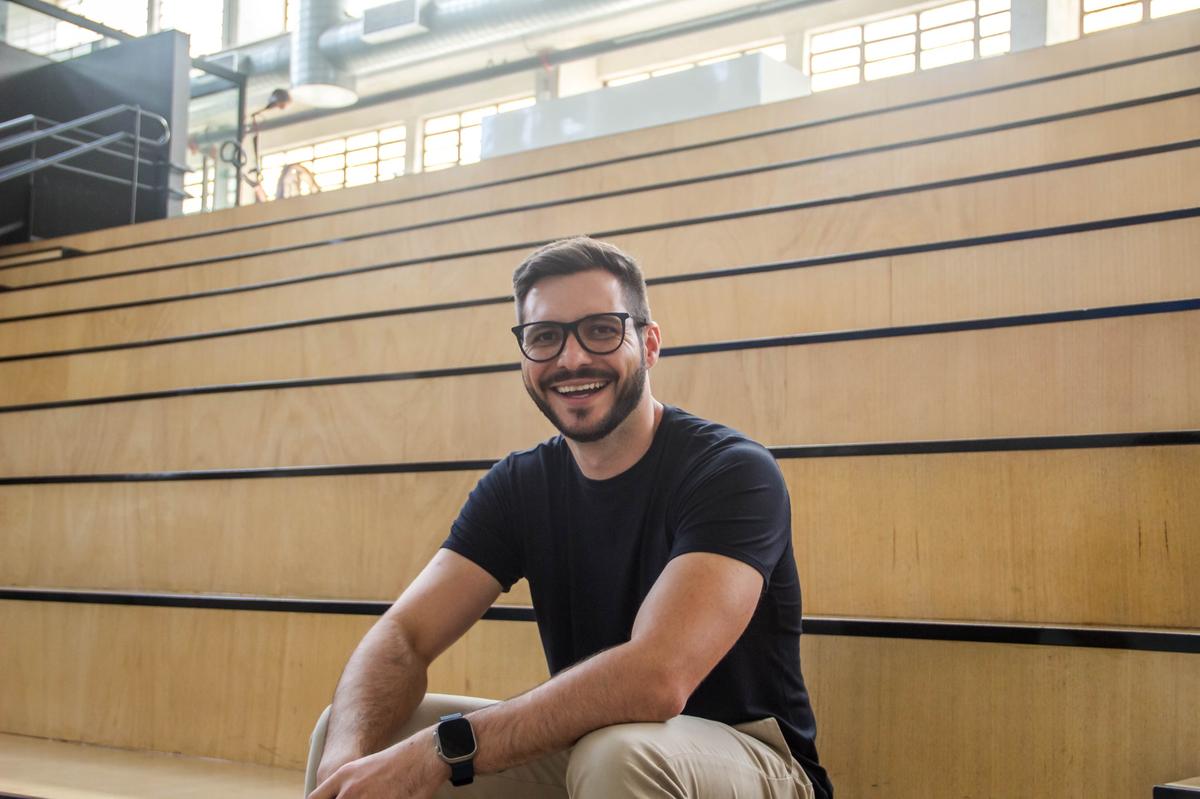


A New Digital Solution for Site Management That Unifies Aerial, Ground Images, and 3D Models in a Single Environment.
Since May 2025, the Brazilian company Construct IN has made the Visi platform available to the national market — and, according to the company, the system has allowed an approximate 33% reduction in the time spent on inspections and field analyses. Furthermore, the company states that this technology has removed bottlenecks caused by rework and common delays in construction.
Data Integration for High Predictability and Efficiency
Visi consolidates maps generated by drones, 360° images, and BIM (Building Information Model) models into a unified digital environment. This way, engineers and managers can compare what was planned with what is being executed in seconds, instead of relying on spreadsheets or fragmented reports. According to Construct IN, “The problem is not the lack of data, but rather the lack of integration,” says CEO and founder Tales Silva.
Additionally, by operating entirely in the cloud, the system allows remote access to data without relying on locally stored files, which enhances mobility and real-time updates.
How It Works and What Practical Benefits It Offers
In practice, the manager views the aerial orthomosaic aligned with ground images and the BIM model, navigates through different periods, and quickly identifies deviations in execution. Consequently, it is possible to validate whether the physical schedule aligns with the forecast and anticipate decisions that previously required physical visits to the site.
The platform is already in operation in infrastructure and corporate building projects and continues to evolve, with ongoing tests for functionalities such as automated volume calculations and elevation profiles, as indicated by the company’s executive.
-
Concrete-filled PVC homes could be cheaper than traditional masonry, UPF research finds; with ready modular panels, less waste, and faster construction, the Concrete-PVC system aims to cut costs and transform affordable housing in Brazil.

-
Brazilian House Built with 32.8 Tons of Construction Debris Offers Affordable Housing Solution
-
Americans Build Entire Homes in a Day Using Compact Sand Foundations and Pre-Made Wooden Trusses, Reducing Construction Costs

-
China’s Largest Floating LNG Plant, NGUYA, Sets Sail for Congo: 2.4 Million Tons Annually for Italy’s Eni


Technological Architecture and Field Validation
To enable the unification of different data sources — aerial, ground, and BIM — the company developed an architecture capable of integrating this information without loss of visual quality and with alignment precision, ensuring consistency in progress analyses of the work. Today, the platform allows for automated data capture, processing, and visualization, eliminating manual steps that consumed time and facilitating remote monitoring.
However, it is important to note that the 33% time savings refer to the Construct IN client base, and applicability may vary depending on the size and digital maturity of the user company.
Applications in Different Phases of Construction
Visi can be employed from earthworks and foundations to physical progress control and verification of compliance with the project. By cross-referencing field data with planning, the system allows for the identification of discrepancies early in the execution phases, which prevents rework that consumes time and budget. With integrated images and models, the manager visually navigates through the site, compares different periods, and validates whether the schedule is progressing as expected.
“Instead of merely documenting the work after execution, the technology enables real-time monitoring and anticipation of decisions. With the integrated reality capture from planning to delivery, the platform evolves into an evidence-based management system,” concludes Tales Silva.
With all these functionalities, Visi represents a paradigm shift in site management — but is the construction sector ready for this digital leap?