Portuguese
  Spanish


Ricardo Alban Advocated Neoindustrialization in Brazil as a Tool to Revitalize the Manufacturing Sector During B20 Brazil in Rio de Janeiro.
The industrial policy results from a constructive dialogue between the public sector and private initiative, and contains a set of actions capable of accelerating neoindustrialization. According to the president of the National Confederation of Industry (CNI), Ricardo Alban, the New Industry Brazil, presented by the government on January 22, represents a consistent action plan to promote productivity, innovation, and the integration of the Brazilian industry into global value chains.
The policy for industrial development demonstrates a strong commitment to advancing the industrial sector, aiming for modernization and competitiveness of Brazil in the global market. The strategy for industrial development seeks to make the country an important player in the world economy, with investment in innovation and technology.
Industrial Policy at the Center of Discussions in Rio de Janeiro
The defense of the new industrial policy was made at the opening of the Opening Meeting on Monday (29) in Rio de Janeiro. The event marks the beginning of the working agenda of B20 Brazil, a group that brings together business entities from the 19 largest economies in the world, plus the European Union – the G20.
-
They exchanged the idea of a large house for a 35 m² warehouse, spent US$ 12,000 on the structure, and created a tiny house in Colorado with space to live and work.

-
While modern cities rely on pumps and electricity, in Iran, ancient tunnels carried water through the desert using only slope and gravity.
-
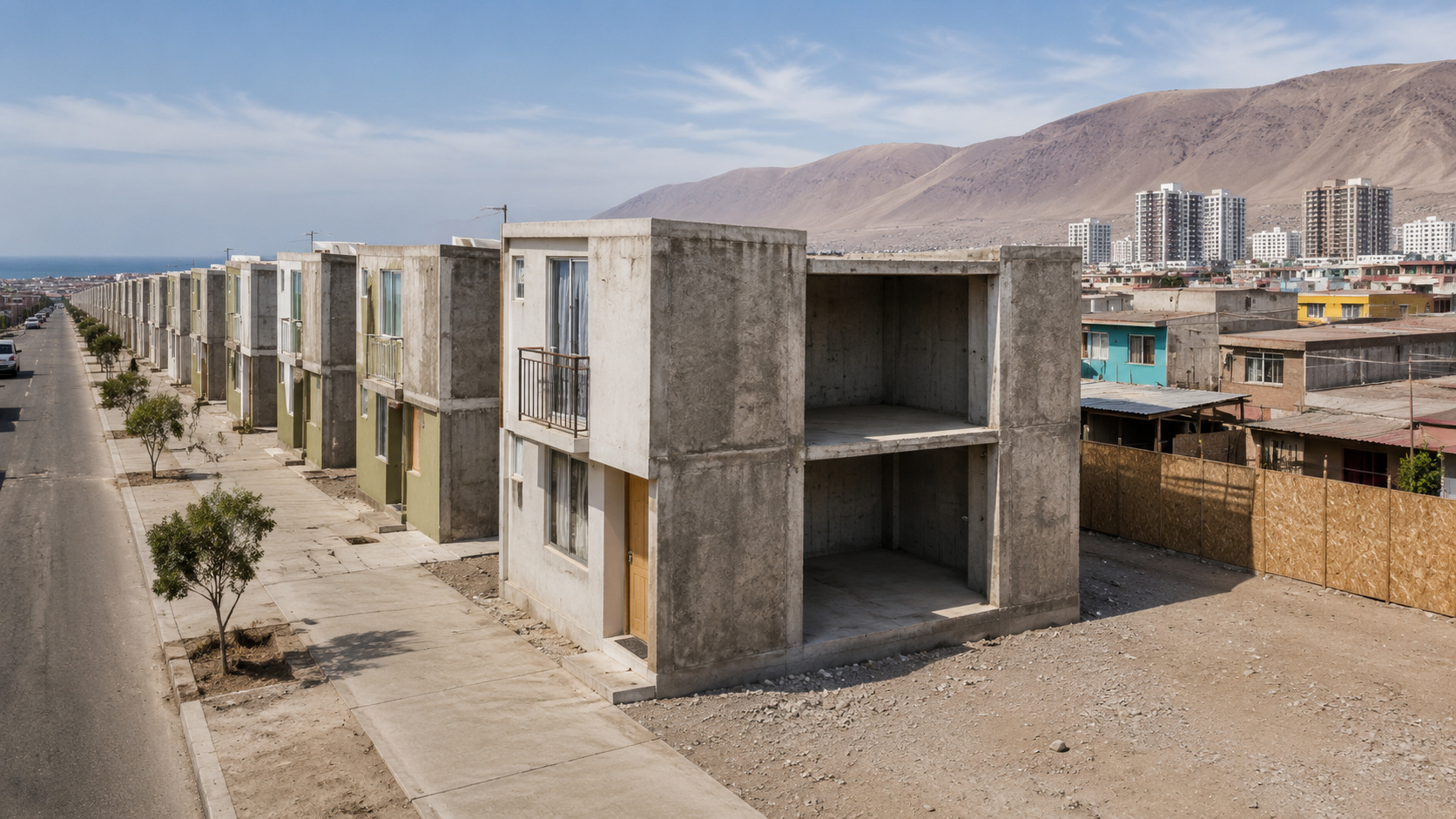
Instead of sending families far from the city, a project in Chile intentionally created incomplete houses on expensive urban land and left technical space for each to grow.
-
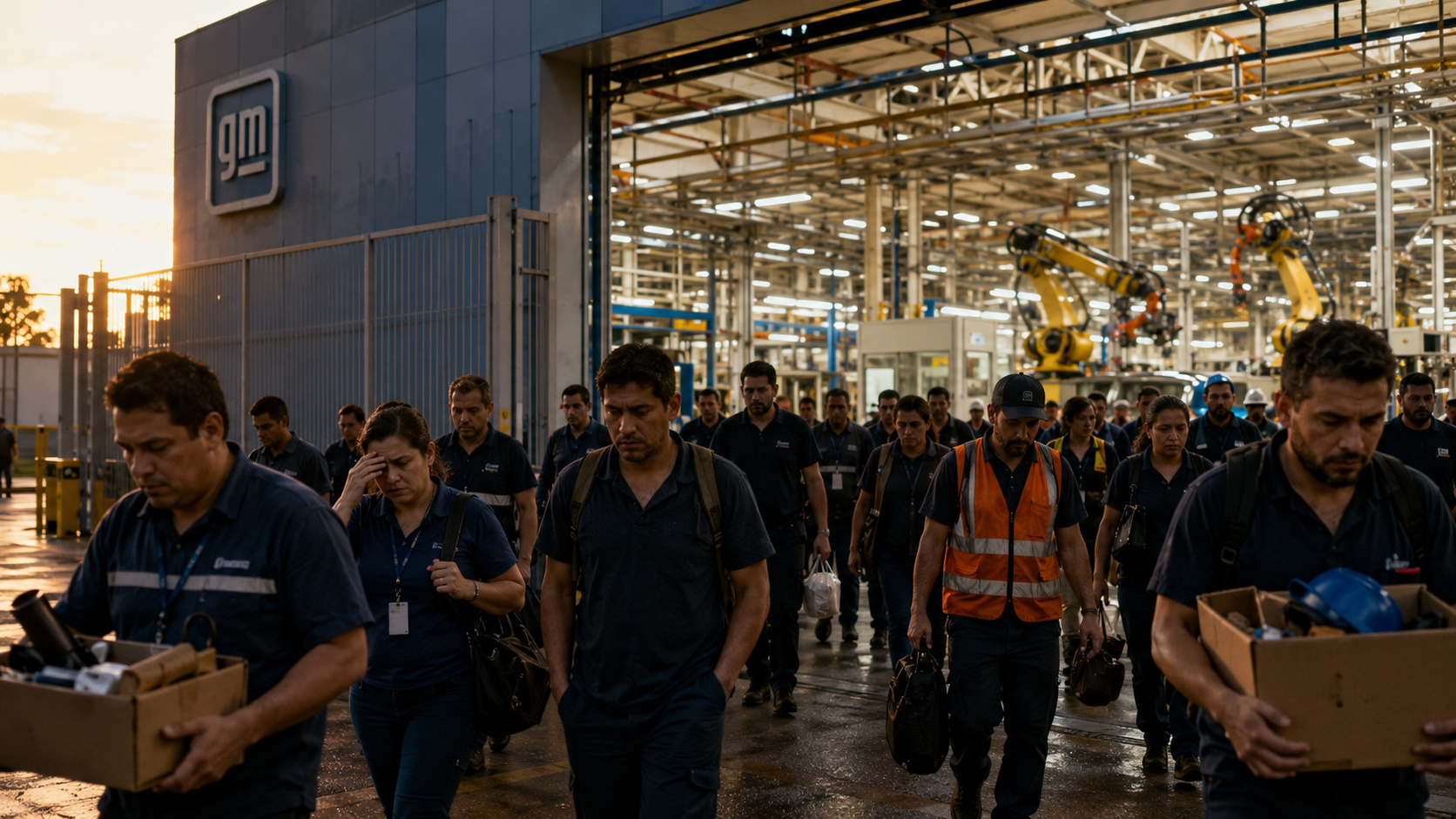
General Motors Replaces Over a Thousand Workers with 50 Cobots at Electric Vehicle Plant, UAW Union Criticizes Move Amid Industry’s Automation Push

‘We need to gain competitive advantages for our industries. We will decarbonize our industry to recover our manufacturing, to add value and quality jobs. The B20 and the G20 give us this opportunity to work together for these goals’, Alban said.
The president of CNI highlighted the relevance of the More Production Plan, which will feature credit lines worth R$ 300 billion. The funds will be allocated to projects under four transversal themes: innovation, productivity, decarbonization, and exports, through the National Bank for Economic and Social Development (BNDES). ‘We have a vibrant industry that serves as a foundation for agribusiness because there was funding, an environment for it to grow and succeed. We now have a convergence of factors for the industrial sector as a whole’, he stated.
The Importance of Policies for Industrial Development
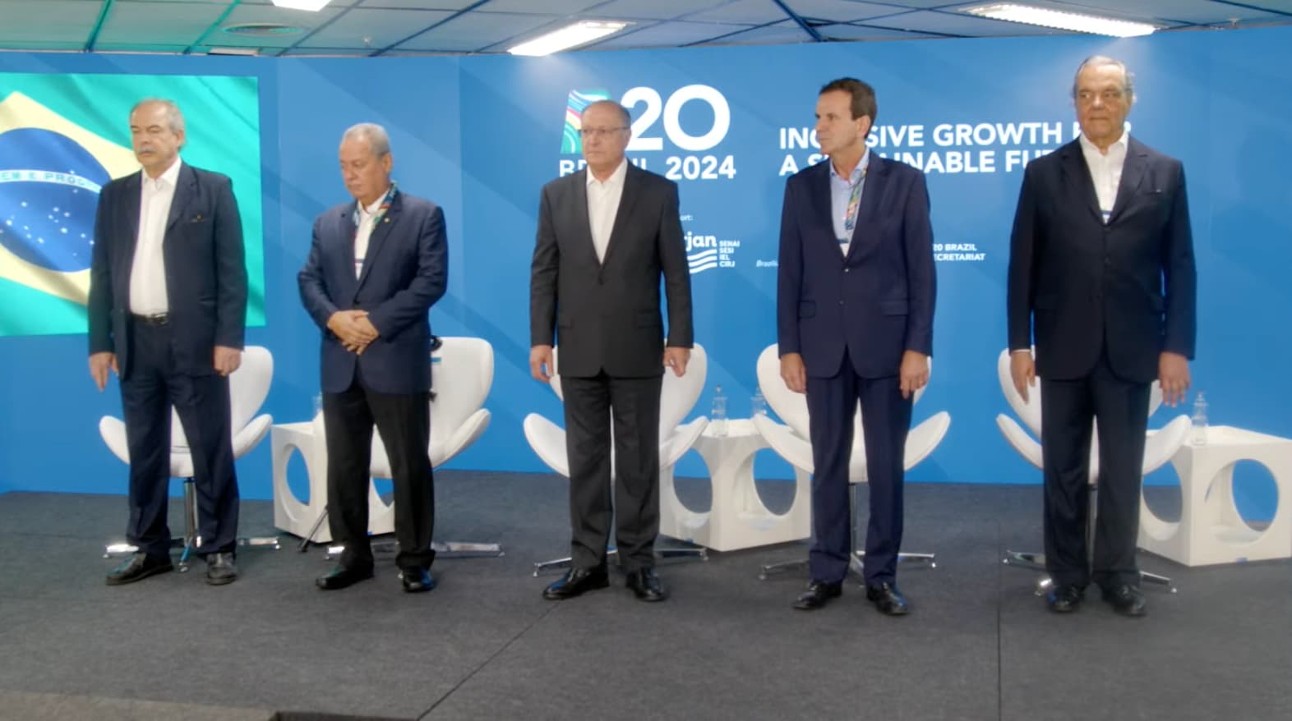
The Vice President and Minister of Development, Industry, Trade and Services (MDIC), Geraldo Alckmin, drew attention to the convergence between the pillars that will guide the work of B20 and global challenges. ‘Brazil can make a difference at this moment, post-pandemic, high inflation, and war. Food security, energy security, and the climate agenda are topics in which Brazil is a protagonist and for which we can make significant contributions to the world’, he said.
The president of BNDES, Aloizio Mercadante, analyzed the impact of industrial policy measures adopted by developed economies, which account for over 70% of global industrial production. According to him, a large part impacts multilateral trade, which compels the Southern Hemisphere to defend its economies, especially its industries. ‘We are taking measures, and we need to adopt economically responsible policies that defend industry, the productive sector, which is the most dynamic and important sector, in addition to attracting this international industrial complex’, he advocated.
Follow the Working Agenda and Initiatives for Industrial Development
Since December 1, Brazil has held the rotating presidency of the groups that bring together governments and the private sector of the largest economies in the world. In the case of B20 Brazil, CNI coordinates the discussions among business entities – that are expected to gather over 1,000 business leaders – in building proposals within seven task forces and the action council, which will be presented at the G20 summit, scheduled to take place in November.
- B20: Who Are the Leaders of the Task Forces and Action Council
The leader of B20 Brazil, Dan Ioschpe, highlighted that the private sector engagement group will play a fundamental role in accelerating a socio-economic development agenda in partnership with governments, both for Brazil and the rest of the world. ‘Current economic, geopolitical, social, health, and sanitary security challenges demand rapid and globally coordinated actions. Although the G20 brings together very heterogeneous countries, this diversity represents a great opportunity’, he stated.
Alban pointed out the alignment between the B20 Brazil’s work directive, under the motto ‘Inclusive Growth for a Sustainable Future’, with the goals of the Brazilian government’s G20 presidency. ‘It is an unparalleled opportunity to showcase to the world the potential of our companies and the country. Due to its global relevance, the actions of the G20 and B20 are essential to overcoming the challenges of climate change, geopolitical conflicts, and social inequalities’, reinforced the president of CNI.
Source: Portal da Indústria