






 Portuguese
  Spanish


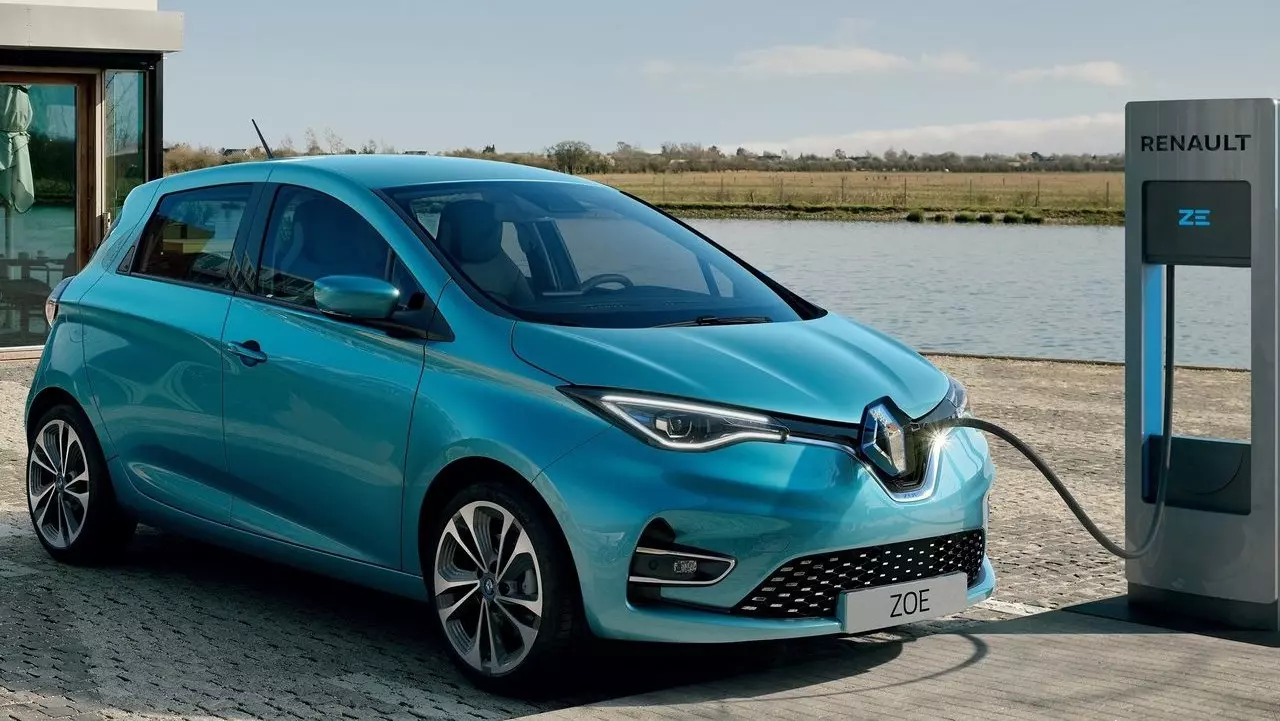

The Senate Has A New Bill Presented By Senator Eliziane Gama (PSD-MA): The Insertion Of Charging Stations On Federal Highways To Help Boost The Movement Of Electric Cars.
Adopting green policies for the environment has been a common practice among different governments, including Brazil. To contribute to this topic, Senator Eliziane Gama (PSD-MA) has developed a new bill that is set to be presented to the Senate. It discusses the importance of inserting charging stations for electric cars along the federal highways distributed across the country, encouraging the use of vehicles that have a lesser impact on the environment due to their mode of operation. The proposed bill 392/2023, as it has been registered, has not yet been distributed, but new updates on its reception should be released soon.
Senator Justifies The Bill With A Focus On Accessibility: With The Distribution Of Charging Stations, Drivers’ Routines Will Become Easier
From a technical standpoint, electric cars indeed have a more positive impact on the environment, as they run on electricity without the need for alcohol or gasoline.
However, one of the major obstacles to the new model is the lack of accessibility it presents: refueling electric cars is a challenge, especially for those making longer trips, given the sparse distribution of charging stations.
-
1983 Chevrolet Runs Over 100,000 km Without Gasoline, Powered by Wood Chips, Reaches 125 km/h in Airport Test

-
Workshop Converts Giant Tractor Tire Tricycle into a Three-Wheel Drive Hybrid with 36,000-Watt Electric Motor Capable of Climbing Hills

-
Chery Offers Lifetime Battery Warranty and Car Replacement for Major Failures Under New Chinese Regulations
-
Sales of Brazil’s Cheapest Electric Car Halted Before First Deliveries: E-Motors Suspends Emova Easy Due to Import Tax Increase and Rising Freight Costs





For Senator Eliziane Gama, this scenario poses a negative consequence for Brazil’s commitment to sustainable initiatives.
Her bill was built on the justification that with more charging stations, people may feel more secure in purchasing the model, as refueling it will be a more practical and accessible task than the current scenario.
Gama also emphasizes the importance of the government committing to sustainable initiatives consistently. According to the Senator, it is the state’s duty to encourage “the shift that represents the change from a hydrocarbon-based fuel matrix to another that is clean, renewable, and based on electric motors.”
Continuing her remarks, the politician summarizes the thinking that led her to create the proposal for the bill: “Electric cars are an increasingly promising technology for a less polluted and more sustainable world. These vehicles have been well accepted by the general population and are becoming a reality, especially in our largest cities,” meaning that with the right government incentives, the technology can be embraced by the Brazilian population and enable the country to stand out in renewable practices.
The Bill Sets Specific Rules And Deadlines For The Provision Of Charging Stations
The design of the bill is quite comprehensive. It stipulates that gas stations on federal highways must have charging stations for electric cars, as previously mentioned, considering a period of 12 months from the start of the new law’s validity, if approved.
Additionally, it also mentions the proposal that the Budget Guidelines Law provide, for a period of ten years, options for credit lines so that the population can access this new possibility. As a consequence of any non-compliance, the energy sector is responsible for applying the appropriate fines for each situation.
The project for the insertion of charging stations for electric cars on federal highways has not yet been approved by the Senate, but it demonstrates maturity in its entire presentation and justification.








