Portuguese
  Spanish


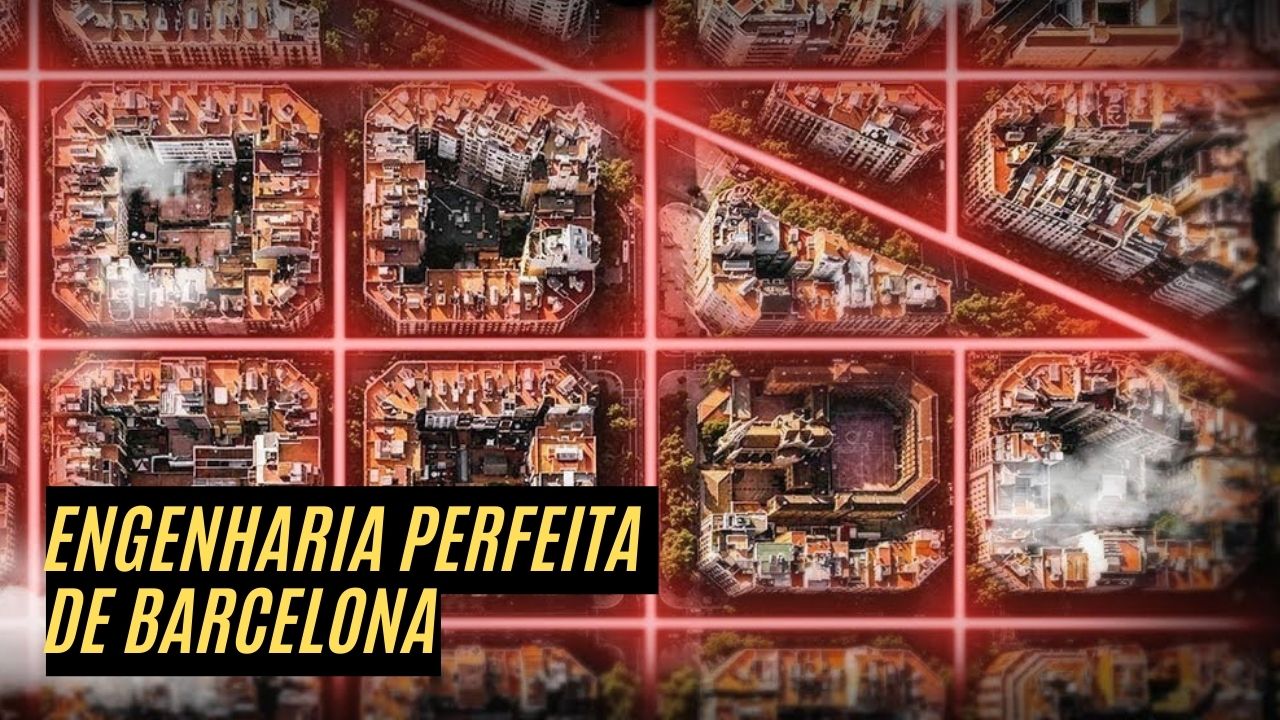

The Bold Engineering Behind Barcelona’s Urban Plan Is Reclaiming The City For Its People And Showing How A City Can Be Designed For The Well-Being Of Its Residents.
When observing Barcelona from above, what strikes you most is its unusual urban pattern, organized in square blocks. This strange format, which has long captured curiosity, actually represents one of the most innovative solutions in engineering and urban architecture. Amid the problems faced by many modern cities, such as congestion and pollution, Barcelona adopts a model that places it at the forefront of a new era of urban mobility and sustainability.
The engineering behind this format not only helps organize space but also aims to improve the quality of life for its inhabitants. The city is now implementing a series of transformations to reduce traffic and increase green areas, a project inspired by the innovative vision of engineer Ildefons Cerdà, who designed the famous “Cerdà Plan” in the 19th century with the proposal of creating a more human and healthy environment.
The Revolutionary Engineering Plan of Ildefons Cerdà
In 1854, after the demolition of the walls that limited the city, engineer and urban planner Ildefons Cerdà was commissioned to plan the expansion of Barcelona. The idea was to expand the city without compromising the well-being of its residents, at a time when the concept of urban planning was practically non-existent. Cerdà brought an innovative perspective, focused on ventilation and light, aiming to create blocks that would provide fresh air, light, and green spaces for residents.
-
Woman Turns Shipping Container into Home, Embraces Rural Life to Cut Monthly Expenses to Just Over $330

-
France Revamps 530 Social Housing Units with Large Balconies and Glass Facades Without Demolishing Existing Buildings

-
Facing high rent, couple transforms parents’ garage into a fully functional apartment, creating a complete home at a fraction of the market cost.
-
MIT Scientists Develop Method to Transform CO₂ into a Construction Ally, Boosting Cement Strength by 13% in 24 Hours for More Sustainable Infrastructure



Cerdà planned a uniform grid of blocks, where residential buildings would be accompanied by leisure areas and air circulation in the center of each block. Instead of privileging certain locations, he adopted an equitable approach, placing public services and community areas throughout the city. This revolutionary engineering already anticipated modern problems, such as pollution and congestion, seeking to balance urban life with social well-being.
Superblocks: The Modern Reinvention of an Old Concept
Today, Barcelona is reviving this proposal with the so-called “superblocks,” a concept that modernizes Cerdà’s plan and adapts the city to the needs of the 21st century. The superblocks group nine blocks, where inner streets are blocked for heavy traffic and become areas dedicated to pedestrians, cyclists, and green spaces. This drastically reduces vehicle traffic, reclaiming urban space for people and promoting a healthier and more community-oriented environment.
Through this urban engineering, the percentage of areas designated for pedestrians in some neighborhoods increased from 45% to 74%, a change that positively reflects on local commerce and residents’ quality of life. Additionally, the superblocks have also reduced nitrogen dioxide emissions by 42% and decreased particulate pollution by 38%, proving that this model has a direct impact on public health and the environment.
The Legacy of Cerdà and The Future of Barcelona
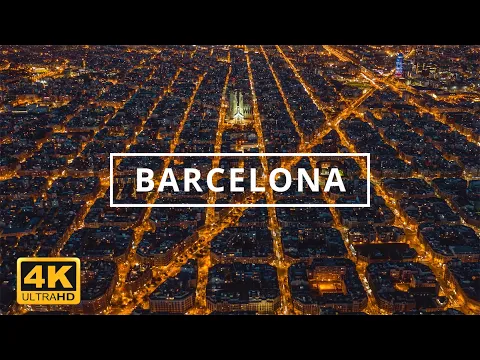

Despite the modifications over the years, the essence of Cerdà’s plan remains alive. Barcelona demonstrates how engineering can transform a city into a more human space, where the well-being of residents is a priority. The city, which previously had the highest rate of vehicles per capita in Europe, is now transforming into a model of sustainable urbanism, encouraging other metropolises around the world to adopt more people-centered practices.
The superblock model in Barcelona, based on Cerdà’s principles, is a clear example of how engineering can use simple solutions to solve complex urban problems. The transformation of blocks into areas of coexistence and circulation exclusively for pedestrians and cyclists has the potential to inspire cities worldwide, proving that sustainable urbanism is not only possible but also essential for the future of cities.