






 Portuguese
  Spanish


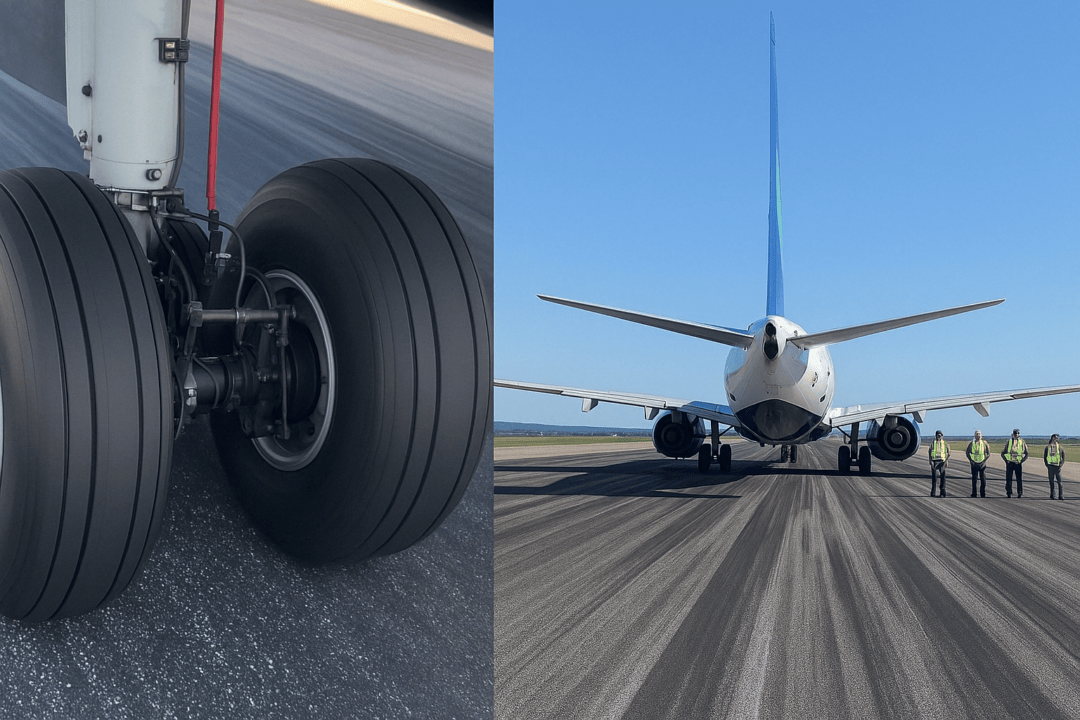

In Aviation, Every Detail Matters to Ensure Safety and Performance — Including the Gas Used in Tires. Nitrogen Is Preferred for Being Inert, Non-Flammable and Less Sensitive to Changes in Temperature and Pressure. These Characteristics Make the Gas Ideal for Withstanding the Extreme Conditions Faced During Landings and Takeoffs, as Well as Preventing Internal Oxidation of the Tires.
At Airports, It Is Common to See Planes Landing at High Speed and Touching the Ground with Great Force. Behind This Movement, There Is a Crucial Component: Aircraft Tires. But, Contrary to What One Might Imagine, They Are Not Inflated with Regular Air. The Chosen Gas Is Nitrogen. The Technical Decision Behind This Involves Safety, Efficiency, and Stability.
The Atmosphere Contains Moisture. When This Moisture Enters the Tires, It Can Cause Internal Problems.
Aircraft Tires Are Sealed, but If They Are Inflated with Regular Air, Moisture Will Be Introduced into the System. This Promotes Corrosion and Harms the Aircraft’s Performance.
-
China Develops Custom 140-Ton Electric Mining Truck with 770 kWh Swappable Battery, Deploys 290 Units in Xinjiang’s Largest Zinc Mine

-
Meta to Launch Arena, a New Prediction App Targeting 3.56 Billion Users, Competing with Polymarket and Kalshi

-
Scientist Challenges Famous Human Evolution Theory, Argues Homo Sapiens Evolved Gradually Over Thousands of Years
-
15-Year-Old American Builds Ocean Generator with PVC Pipe and 3D-Printed Propeller for $12, Wins National Prize, Presents at White House, and Makes Forbes 30 Under 30 List




Advantages of Nitrogen
Nitrogen Is a Dry Gas. When Used to Inflate Tires, It Prevents the Entry of Moisture. This Absence of Water Inside the Tire Protects Against Corrosion.
Oxidation, Which Occurs When Metals Come into Contact with Moisture, Is Minimized with the Use of Pure Nitrogen.
Additionally, Nitrogen Offers an Important Advantage for Pressure Control. During Flight, Changes in Altitude and Temperature Can Cause Internal Variations.
The Water Vapor Present in Regular Air Can Freeze, Creating Undesirable Fluctuations in Pressure. With Nitrogen, Which Is Dry, This Risk Is Considerably Reduced.
The Pressure Inside the Tires Remains More Constant, Ensuring Safety During Landing and Takeoff.
Another Reason for Using Nitrogen Is That It Is a Non-Flammable Gas. Unlike Oxygen, Which Can Be Dry but Is Highly Flammable, Nitrogen Does Not Ignite When Exposed to Heat. In Case of Excessive Heating, This Drastically Reduces the Risk of Explosions.


Regulation in the United States
Since the Late 1980s, the Federal Aviation Administration (FAA) Requires Commercial Aircraft to Use Only Nitrogen in Tires. The Regulation Was Created to Enhance Safety and Ensure the Best Possible Performance of Landing Systems.
Latest Relevant Information: Almost All Commercial Aircraft, Whether Narrow or Wide-Body, Follow This Standard. The Practice Has Become International Standard in Many Countries, Reinforcing the Role of Nitrogen as an Essential Component in Modern Aviation.






