Portuguese
  Spanish


Billion-dollar project in Texas bets on desalination of Gulf of Mexico water to bolster supply in a region affected by drought, low reservoir levels, and increased urban and industrial demand, while experts monitor the environmental and energy challenges of the operation.
A joint venture formed by US Desalination LLC and IDE Technologies plans to install a desalination megaplant in South Padre Island, southern Texas, with the capacity to produce up to 50 million gallons of potable water per day from water extracted from the Gulf of Mexico.
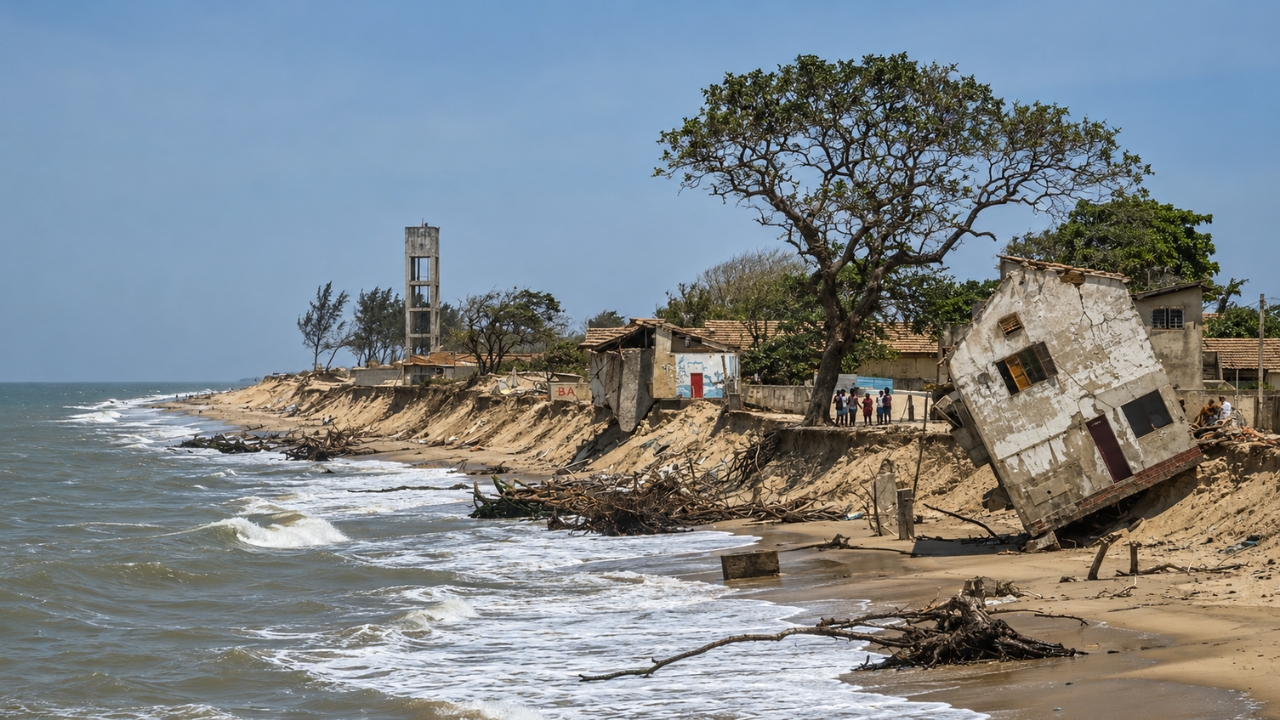
Named RGV-Desal, the venture arises amid growing pressure on supply in the Rio Grande Valley, a region facing persistent drought, rapid population growth, and continuous reduction in the levels of reservoirs responsible for water supply.
Estimated at around US$ 1 billion, the project is expected to be privately funded, although the title might suggest direct participation of the United States government in the financial contribution, something that has not yet been officially confirmed by the companies involved.
-
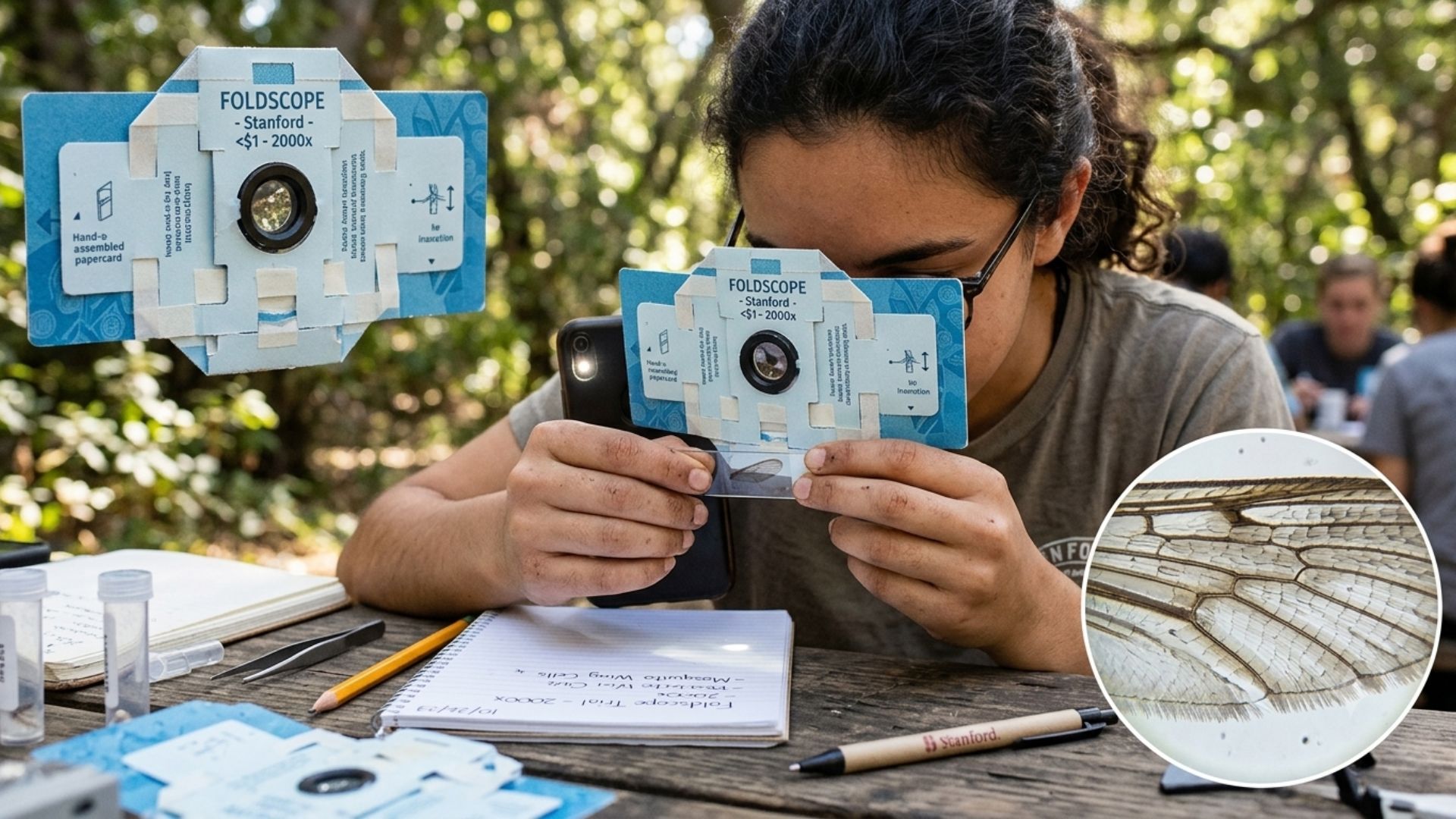
Bioengineer Develops Microscope That Magnifies Objects Up to 2,000 Times Using Just a Folded Sheet of Paper, a Tiny Lens, and Less Than $1, Bringing Lab Science Anywhere for Less Than the Cost of a Candy

-
Dog Walker in English Forest Uncovers 3,400-Year-Old Bronze Age Axe
-
Texas Blackout Inspires Student to Develop Bionic Leaf Catalyst for Converting Sunlight, Water, and Bacteria into Fuel

-
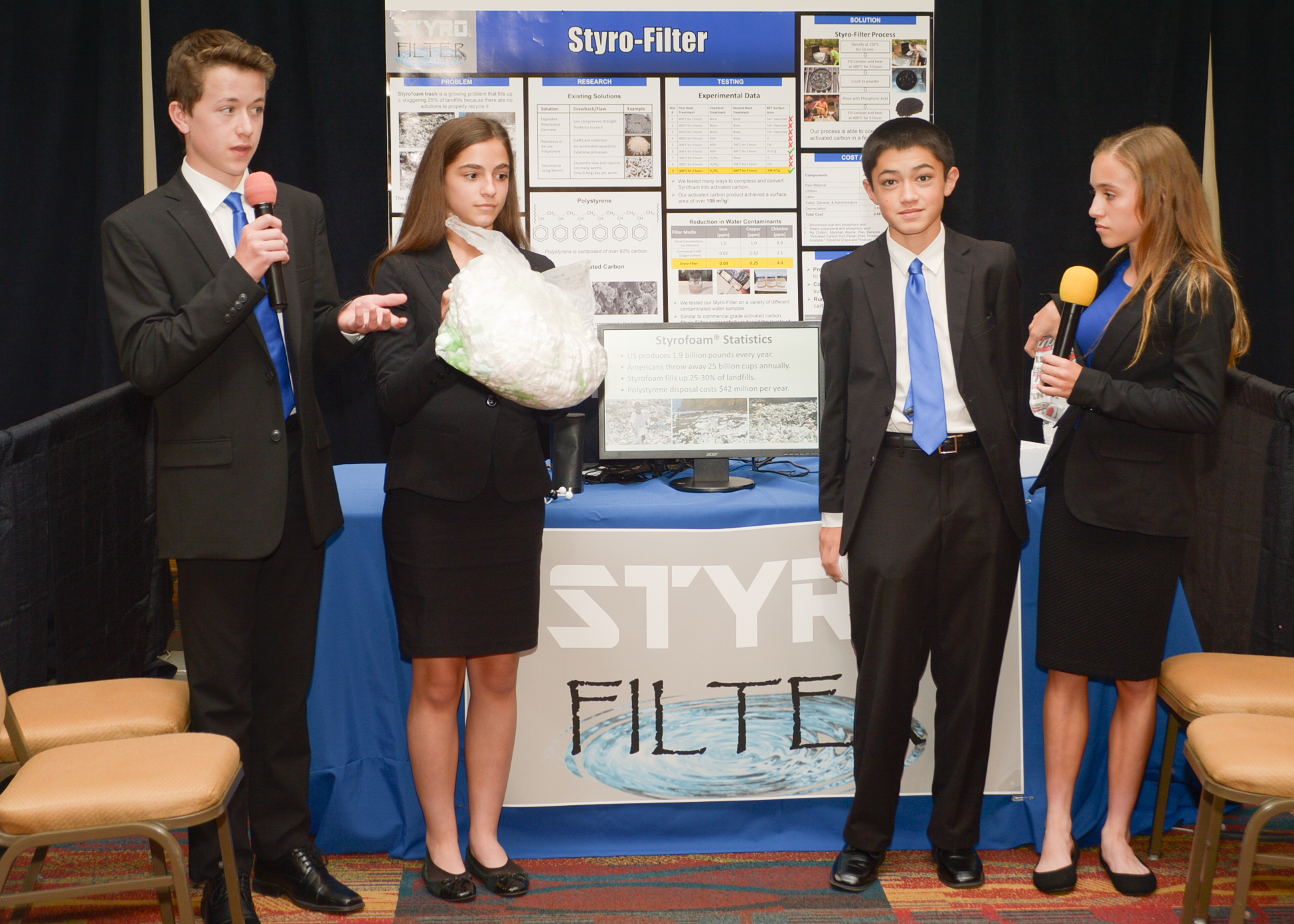
Brazilian Students Develop Process to Turn Styrofoam Waste into Water-Purifying Charcoal



This point corrects a possible reading of the title, as there is no confirmation that the United States government has directly allocated public resources to the venture.
Water crisis pressures supply in southern Texas
Historically dependent on the Rio Grande-associated system, the Rio Grande Valley has been experiencing increasingly severe supply fluctuations due to prolonged drought periods recorded in recent years.
Data from Water Data for Texas shows that the region’s reservoirs were operating at low levels throughout 2026, increasing local concern about water security.
While drought reduces water availability, the advancement of urban and industrial demand intensifies pressure on the system, leading specialists and industry companies to advocate desalination as a complementary alternative to conservation and reuse policies.
In this scenario, desalination appears as a complementary alternative, not as an immediate replacement for conservation, reuse, and basin management policies.
How the desalination megaplant should work
To transform saltwater into potable water, the unit planned for South Padre Island will use reverse osmosis, a technology that subjects seawater to high pressure to pass through membranes capable of retaining salts and a significant portion of impurities.
After this process, the water still needs to undergo quality adjustments before being distributed for human consumption.
According to the companies involved, the plant was planned to serve the Rio Grande Valley and will be able to supply public utilities, municipalities, and industrial users.
The proposal still depends on licenses, contracts, and technical stages before the effective start of operations.
High energy consumption is among the main challenges
Although considered a strategic alternative for regions with water scarcity, seawater desalination requires a large amount of electricity, mainly because reverse osmosis operates under high pressure throughout the filtration process.
The project leaders state that they intend to use energy recovery systems to reduce operational costs and improve the plant’s efficiency over time.
Economic viability, however, will depend on public technical data and the progress of regulatory analyses.
In addition to the energy issue, experts point out concerns about brine management, a concentrated residue generated after the removal of salt from seawater, as improper disposal can alter salinity and affect coastal ecosystems.
Environmental agencies and studies indicate that improper discharges can alter local salinity and affect marine organisms, while intake systems also require care to reduce impacts on larvae and small animals.
Environmental licensing will be decisive for the project’s progress
Before getting off the ground, desalination projects in Texas need to undergo environmental analyses and authorization processes related to seawater intake, waste disposal, and the sanitary quality of the supply intended for the population.
The Texas Commission on Environmental Quality reports that there are specific rules for desalination and the disposal of by-products in public water systems.
The RGV-Desal proposal arises amid the debate on new supply sources to face more severe droughts and the continuous growth of water demand in the state.
Although the plant promises a source less dependent on rain and reservoirs, the project’s progress will still depend on environmental licensing, the final cost of the produced water, and the proof of operational and ecological safety.