






 Portuguese
  Spanish


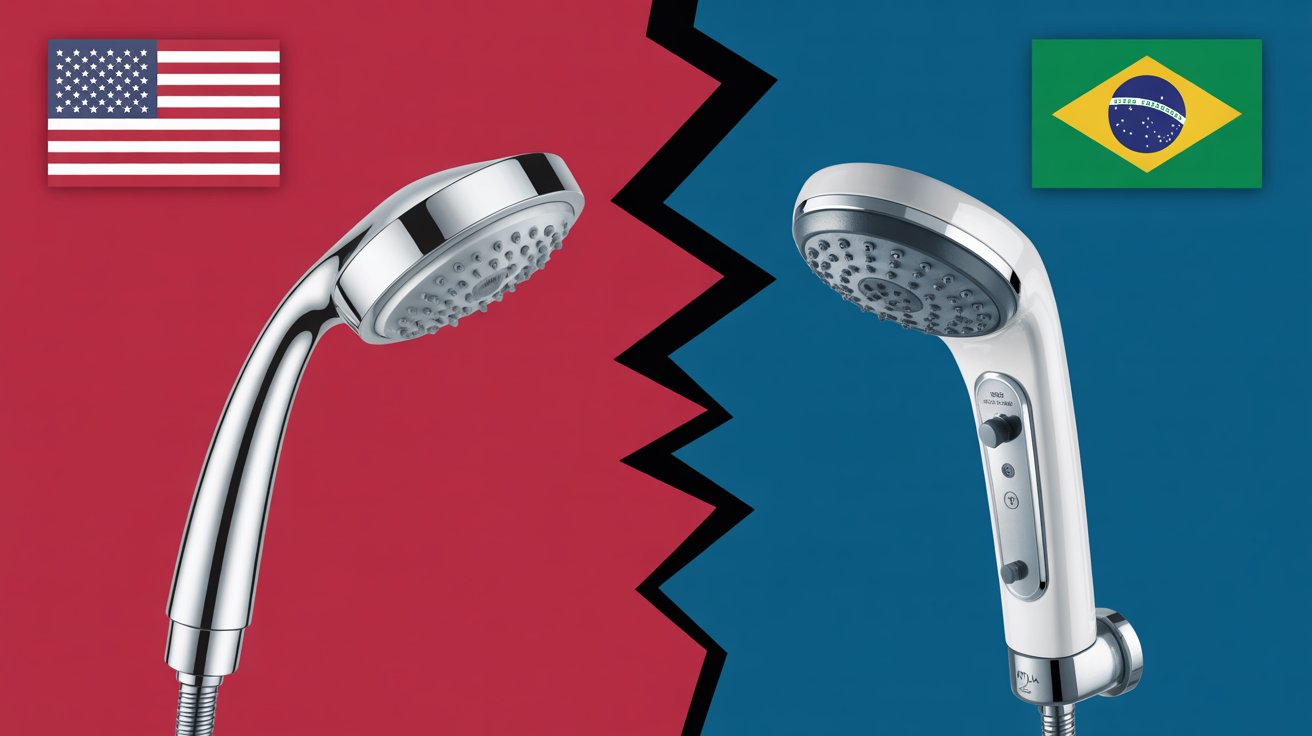


While Almost All Countries Opted for Central Gas or Boiler Systems, Brazil Adopted the Electric Shower as the Main Solution for Hot Baths Since the 1930s, Thanks to the Combination of Low Cost, Favorable Climate, and Local Innovation.
The Brazilian electric shower, present in more than 70% of households, is a unique technology that heats water at the point of use, without the need for boilers, pressurized pipes, or thermal tanks. Its operation is based on the Joule effect, where electric current generates heat as it passes through a resistance.
This innovation began in the interior of São Paulo, in the city of Jaú, with engineer Francisco Canho. Noticing the scarcity of gas and the advancement of the electrical network in Brazil, he created a safe, practical, and accessible model that changed the way Brazilians take showers.
The Brazilian Invention That Challenged Global Standards
In the 1950s, the company Lorenzetti purchased the patent for the invention, industrializing its production. The replacement of metals with plastic in the 1960s reduced costs, increased safety, and further boosted the popularity of the device.
-
Furong: The 2,000-Year-Old Chinese City Built on a 60-Meter Waterfall Becomes a Global Tourist Phenomenon

-
YouTube Inventor Dubbed “Real-Life Tony Stark” Builds Robotic Legs for Father’s Day, Creating a Wheelchair That Conquers Stairs and Rough Terrain

-
Brazilian Scrap Dealer Processes 3,000 Tons of Ferrous Scrap Monthly, Paying $0.09 to $0.70 per Pound, Reveals Why a Hidden Cylinder Costs 1,500 kg Discount

-
Alabama Family Converts Giant Grain Silos into a 1,750 sq ft Rustic Home, Spending $100,000 to Prove the Impossible




Unlike systems used in countries like the United States, Japan, and Germany, which require more robust infrastructure, the Brazilian electric shower operates with just two wires and a built-in resistance. All it needs is an outlet and a point of water for installation, without the need for major renovations or specialized professionals.
Moreover, Brazil’s tropical climate allows the system to work efficiently even with lower power, since the water rarely reaches extremely low temperatures, which would be an obstacle in colder countries.
Simplicity, Culture, and Adaptation Shaped National Behavior
The structure of Brazilian homes also favored the use of the electric shower, especially in small houses with only one bathroom. The decentralized system prevents waste of hot water in the pipes and adapts to the families’ routines.
Culturally, the hot shower gained the status of an essential comfort in the country. In Brazil, it’s common to take up to two or three showers a day, with lengthy showers, which contrasts with the quick and lukewarm showers of other cultures.
Interestingly, habits such as wearing flip-flops in the shower reflect everyday adaptations to compensate for grounding failures in older installations. This shows how technology shaped not only infrastructure but also behaviors.
International Expansion and the Limits of the Invention
Today, the Brazilian electric shower is exported to countries with similar climates and limited infrastructure, such as Peru, Colombia, Kenya, and Uganda. Even in these places, however, its use is still considered alternative, not the standard as it is in Brazil.
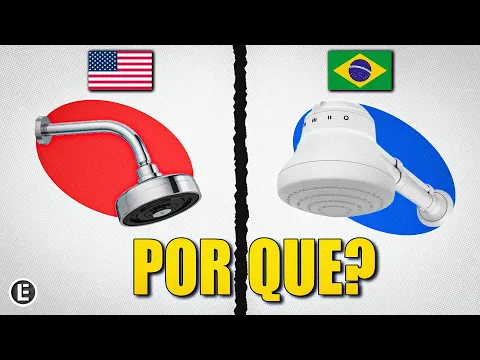

In recent years, gas heaters and hybrid systems have gained traction among higher-income consumers. However, with the rise in cooking gas prices and the increasing cost of energy, Brazilians continue to resort to what is more viable in their context.
The information was originally presented by the channel Elementar, which explored the origin, operation, and cultural impact of the Brazilian electric shower in a video widely shared on social media.
Hybrid Shower Promises to Reduce Electricity Bills by Up to 74% and Become a Sustainable Trend in Brazilian Homes
An innovative technology promises to replace the traditional electric shower, known for its high energy consumption and almost mandatory presence in Brazilian homes. This is the hybrid shower, which combines sources like electricity, solar energy, and gas to heat water, ensuring thermal comfort and savings of up to 74% on electricity bills, according to a study by USP. This solution is seen as more sustainable and economical, without compromising the stability of temperature during the shower.
According to the International Reference Center for Water Reuse (CIRRA) and USP, the hybrid shower surpasses even isolated solar heating systems, becoming the most efficient and eco-friendly alternative for residences. Despite requiring initial investment and possible adaptations to the electrical and plumbing systems, the savings generated compensate for the cost in the medium term, in addition to contributing to the reduction of polluting gases and the use of renewable sources.
Main Advantages of the Hybrid Shower (Source: BNews):
- Savings of up to 74% on energy consumption;
- Combined use of electricity, solar energy, and gas, ensuring temperature stability;
- Greater sustainability, reducing pollutant emissions;
- Modern options such as digital and multi-temperature models;
- Financial return in the medium term, especially in homes with high hot water consumption.
Even being practical and perfect for our climate, do you think the electric shower will continue to be the standard in Brazil for a long time?


O clima tropical do Brasil favorece soluções sustentáveis e ecologicamente corretas. Existem várias opções de sistemas de aquecimento de água que usa o calor do sol para aquecer a água durante o dia e reservatórios que preservam a água aquecida por um período de tempo. Existe também sistemas híbridos, que aquecem a água nos dias sem sol. Contudo, o chuveiro elétrico é uma solução prática, rápida e eficiente para o que se propõe com um custo adicional pequeno comparado ao preço de instalação de outros métodos comercialmente consagrados.
Não existe forma melhor para um banh relaxante.E agora com energia solar se tornou imbatível.
Chuveiro elétrico.nao tem vazão, sai pouca água. Nunca será uma ducha de verdade. Falam da Lorenzetti e a Duchas Corona?
Sou da época do ligou tomou choque. Banho só de havaianas e mesmo assim, choque na certa. Devia ter algo inteligente para aterramento mais eficaz.
Se não tem vazão, certamente é a sua rede hidráulica que inadequada
VOCÊ DEVE SER MUIIIITO VEACO PRA FALAR ESSAS ASNEIRAS !!
Se houver aterramento correto, não tem risco de choque. Eu disse *aterramento correto*.