






 Portuguese
  Spanish


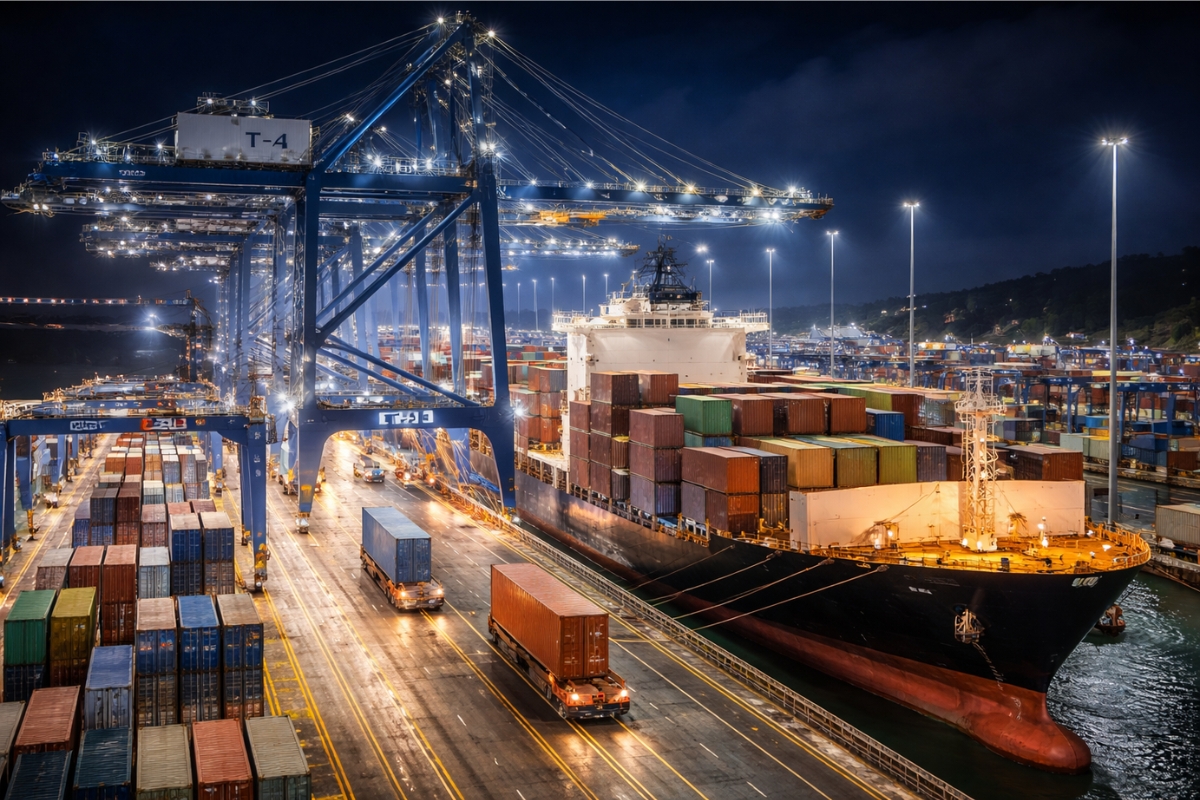


Terminal With Continuous Operation and Advanced Automation Transformed Port Logistics and Accelerated Container Movement in Brazil
A Brazilian port began to operate 24 hours a day with automated cranes, significantly changing the efficiency of cargo handling and reducing the average unloading time by over 40%.
The change involved automation of equipment, digital integration, and reorganization of the operational flow, allowing for greater speed in berthing, unloading, and releasing large vessels.
What Changed in Port Operations and Why It Caught Attention
The Port of Itapoá, in Santa Catarina, implemented automated ship-to-shore cranes and intelligent yard control systems capable of operating with constant precision throughout the day and night.
-
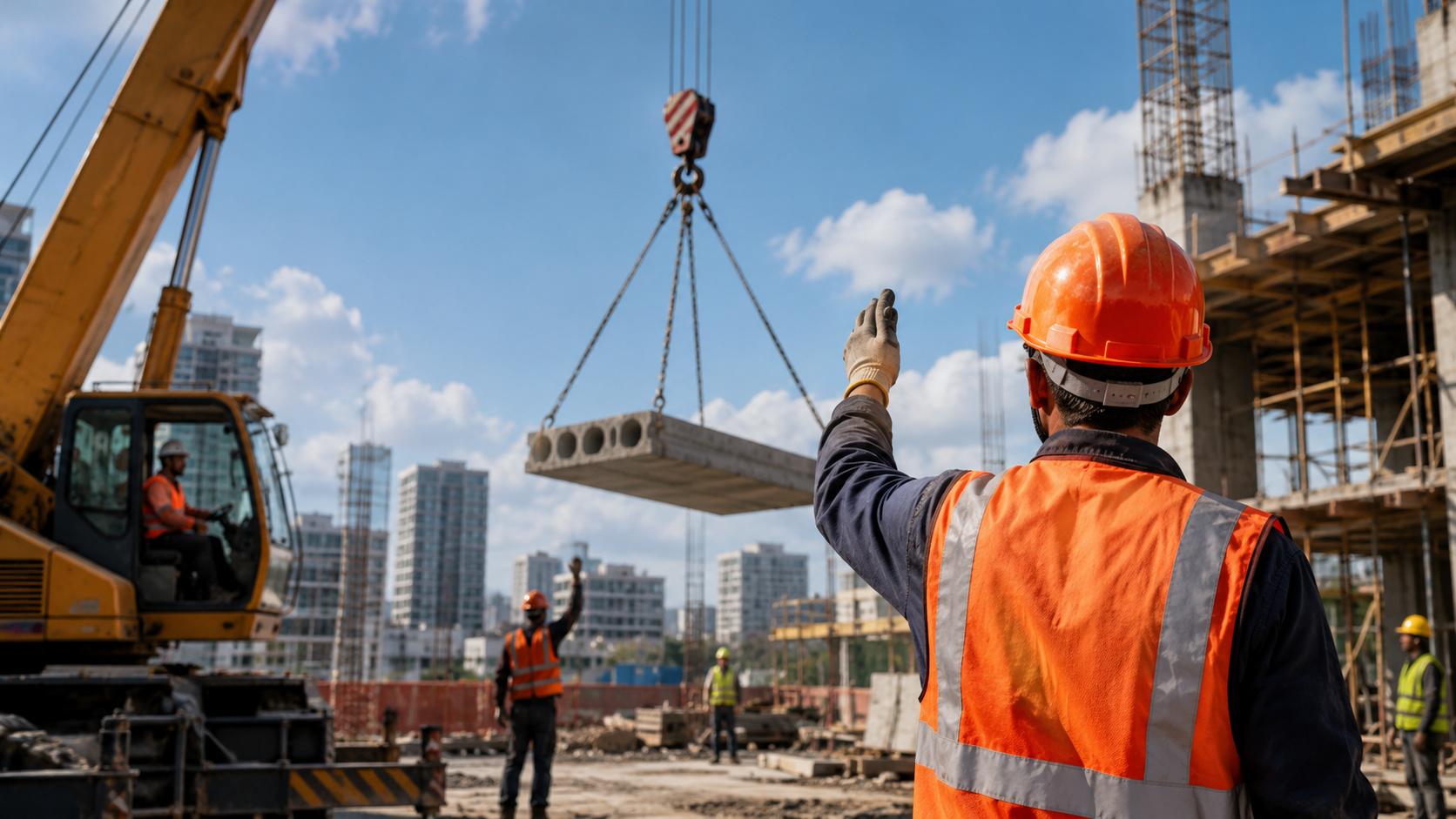
Why can the crane operator only obey the correct signalman on the construction site: among dozens of workers, a hand raised by the wrong person can confuse the maneuver and turn a load of tons into an immediate risk.

-
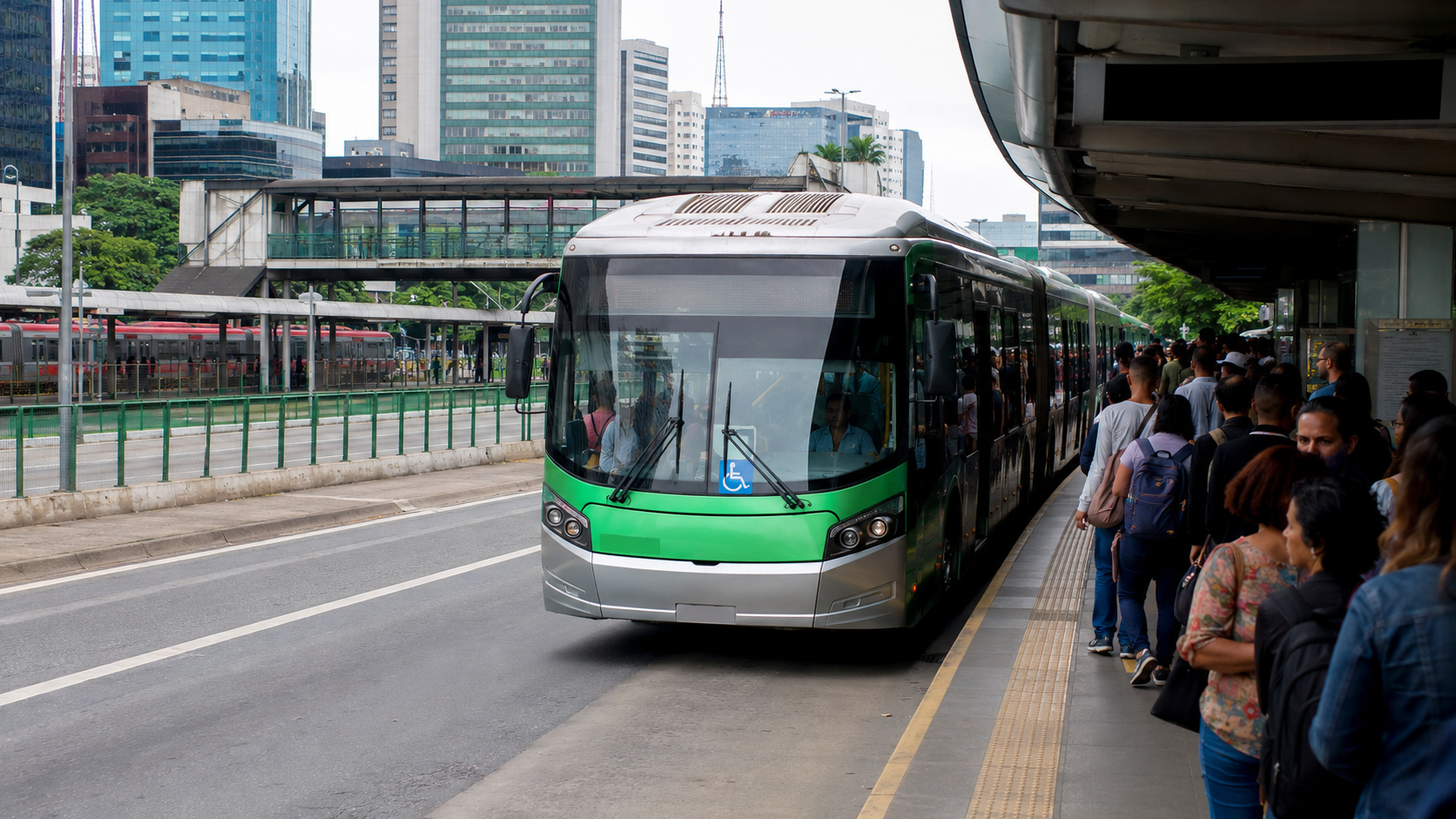
What changes with the new public transportation rules that can reduce pressure on fares and pave the way for zero fare in Brazil?
-
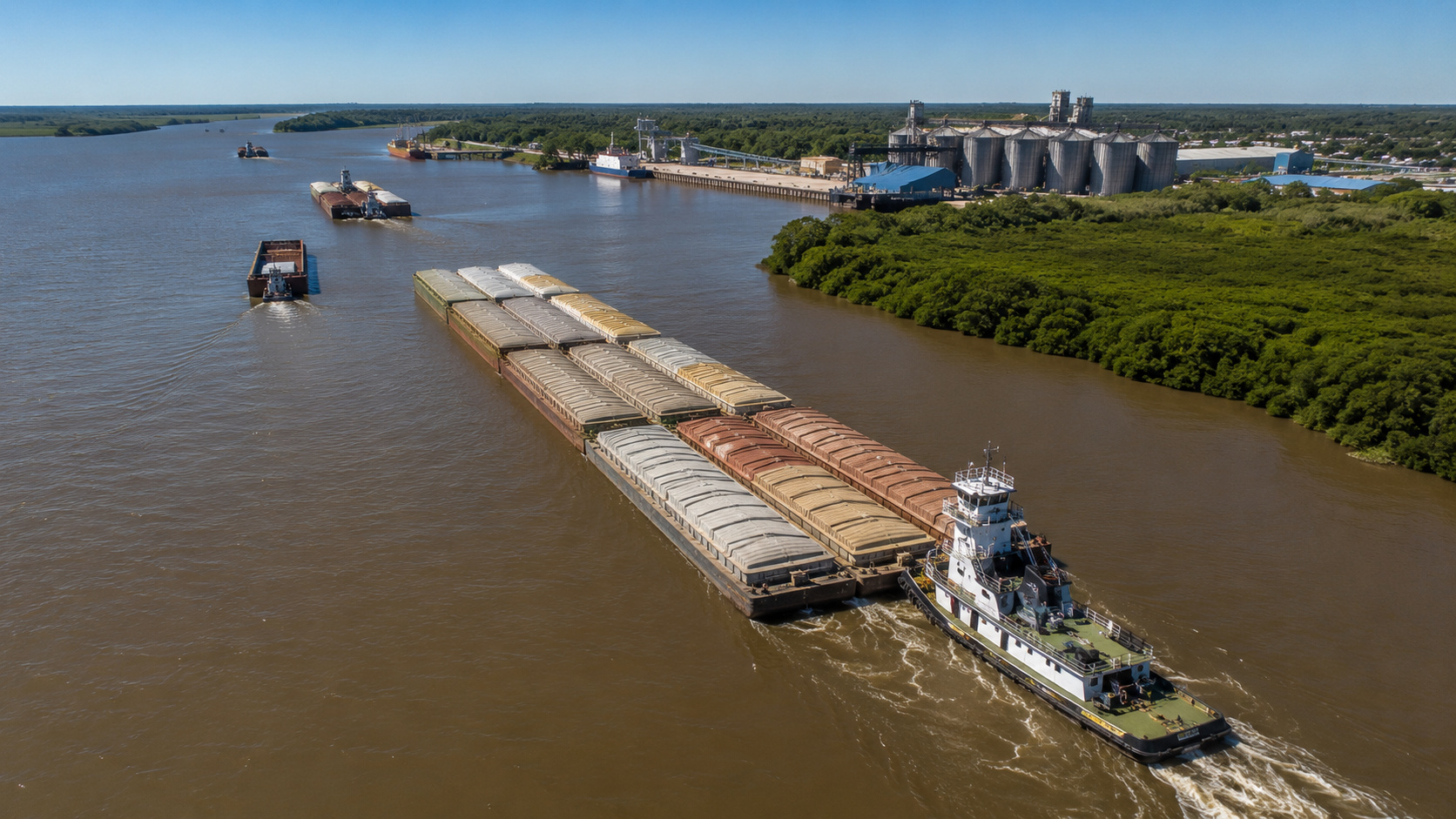
Argentina confirms Belgian giant to lead strategic Paraná River waterway and promises to reduce logistical costs on one of South America’s most important routes
-
MBRF surprises the logistics sector by demonstrating how Artificial Intelligence can directly influence deliveries throughout Brazil by reorganizing distribution routes in seconds, optimizing fleet usage, reducing logistics costs, and speeding up product arrivals even in the face of unforeseen road incidents.
The terminal features deep berths, an automated yard, and equipment capable of moving thousands of containers per day with less human interference. The continuous operation eliminated idle windows and reduced common bottlenecks during nighttime.
With automation, the port increased productivity per hour worked and reduced performance variations, maintaining a stable pace regardless of the shift.

How Automation Reduced Unloading Time by Over 40%
Before modernization, unloading depended on greater manual coordination, with operational pauses and lower yields at certain times.
With the new systems, the cranes began to operate with faster, repetitive, and precise movements, reducing errors, repositioning, and downtime. The result was a decrease in the average time vessels remained docked by over 40%.
This reduction allows the same berth to receive more vessels throughout the week, increasing the terminal’s overall capacity without the need for physical expansion.
The Direct Impact on Shipowners, Exporters, and National Logistics
The faster release of vessels reduces operational costs, such as docking fees, fuel consumption, and waiting expenses.
Exporters and importers gain greater predictability, lower risk of delays, and better integration with road and rail transport. For shipowners, the benefit lies in a faster turnaround of the fleet and optimization of international routes.
The adopted model reinforces automation as an irreversible path in Brazilian port logistics, especially in a scenario of increasing cargo volumes and pressure for efficiency.
The 24-hour operation with automated cranes has placed the Port of Itapoá among the most efficient terminals in the country, reducing unloading time by over 40% and increasing the competitiveness of Brazilian foreign trade.
The experience shows that technology, integration, and continuous operation can elevate logistics capacity without expanding physical areas, pointing to a new standard for national ports.
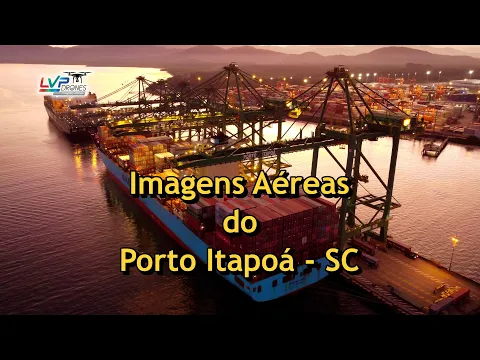







Porto em águas profundas na Barra do saí Paraná.
Quero ver quem fez a peação ou despeação dos conteiners. Se não ajudou nessa prancha.
Mesmo assim, ainda movimenta menos que Paranaguá.