






 Portuguese
  Spanish


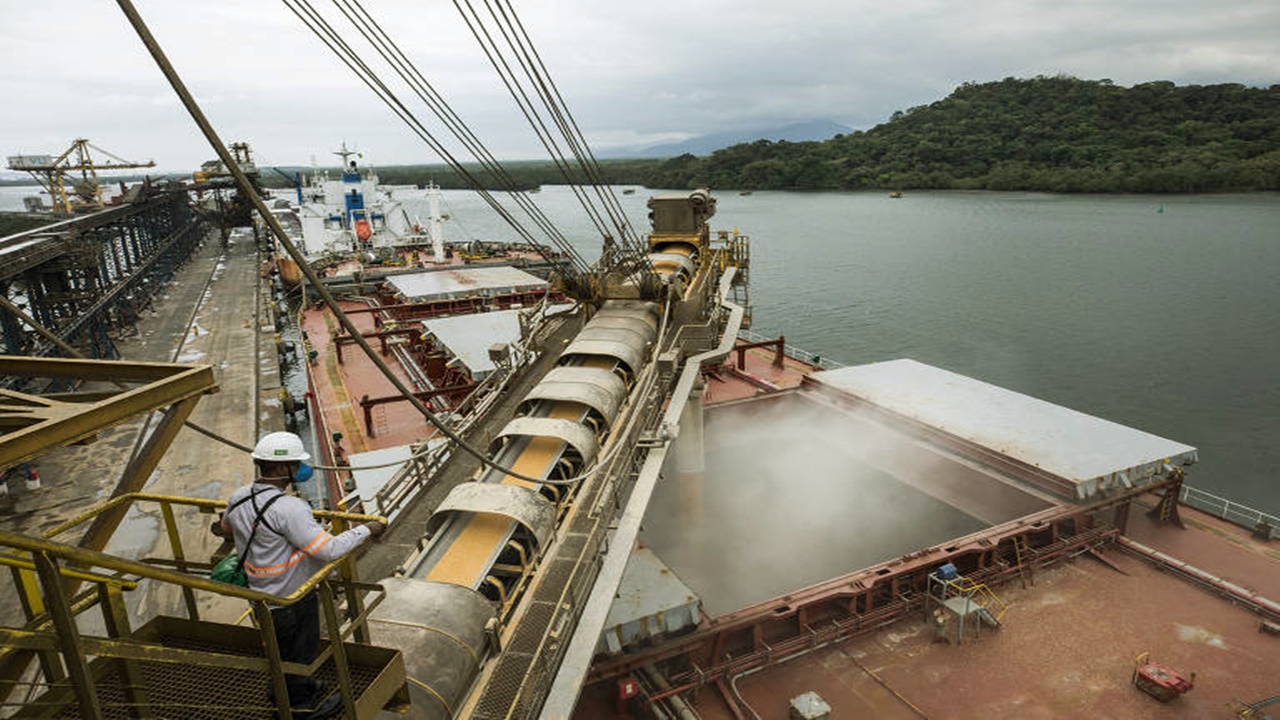

The Açu Port, a Controversial Project, Idealized by Eike Batista, Was Planned to Become a Major Industrial Area Anchored by Iron Ore Movement
Despite focusing on natural gas-related projects, the Açu Port, one of the projects conceived by entrepreneur Eike Batista, is eyeing agribusiness to expand future projects. Yesterday, the Thermal Power Plant and Re-Gasification Terminal at Açu Port Received Their 1st LNG Cargo, check out the full article
Also Read
- Coca Cola, the Largest Non-Alcoholic Beverage Multinational, Calls for 1,800 Job Vacancies in SP, MG, RS, PR, and More
- 41 Job Vacancies for Assistant, Production Clerk, Mechanic, Driver, and More at Girassol Agrícola in MT and GO
- AES Union Urgently Recruits on This Day (04/01) for Offshore Positions Requiring Elementary and High School Education in Roles of Assistant, Leader, and More
The first imports of fertilizer initiated by the Açu Port occurred last year and currently serve as an alternative for grain transportation from Minas Gerais and the Midwest.
The railway connection, which currently does not exist and depends on the federal government, is a crucial factor for consolidating agribusiness operations at Açu Port. For now, operations are conducted by road, which limits the market to the production of non-GMO grains that already use this mode but have smaller volumes.
-
Abandoned Factory in Rio’s North Zone Becomes Urban Hazard with Standing Water and Debris

-
The U.S. Navy Conducts Submarine Tests in Idaho Lake to Detect Underwater Noises Hidden by the Ocean

-
British Factory Transitions from Mechanical Parts to Producing 420,000 Electric Power Units Annually, Supplying 70% of Ford’s Electric Cars Sold in Europe
-
France Launches Network to Recycle 20 Million Cookware Pieces by 2027, Accepting All Brands for Aluminum and Coating Separation


The Açu Port, a controversial project conceived by entrepreneur Eike Batista, was planned to become a major industrial area anchored by iron ore movement; however, after the collapse of the entrepreneur’s group, it shifted its expansion toward providing services for the oil sector.
Currently, Açu Port, in addition to its iron ore terminal, supports offshore oil platforms and also has a terminal for transferring oil to large export vessels of the commodity, a business that will likely go public on the Stock Exchange.
There is also at Açu Port a general cargo terminal, which will begin operating in coastal shipping to receive oil equipment imported through the port of Rio de Janeiro.
In the oil and gas sector, the port has a refinery project and will inaugurate an airstrip to provide transportation services for oil tankers to offshore platforms. It will also host an integrated emergency response center for environmental emergencies in the Campos Basin.
Thermal Power Plant and Gas Terminal at Açu Port
The Açu Natural Gas – GNA began in 2019 at Açu Port the construction of a thermal power plant and an import gas receiving terminal, set to commence operations by July of this year. The second thermal plant has also been authorized, though the start of construction may be affected by the pandemic.
GNA aims to make Açu Port a hub for natural gas movement, connected to the transportation network of the fuel and offshore producing fields.
The company targets the fertilizer sector produced from natural gas, expecting to expand in this segment, still focusing on imports to grow the consumer market.
Prumo at Açu Port
Prumo currently has stakes in six companies operating at Açu Port. Last year, the company submitted a request to the CVM for a public share offering of Açu Petróleo, a subsidiary that operates the oil transfer terminal and will own the storage facilities.
In the prospectus, Prumo markets the business as the only and largest private oil terminal in the country, with little competition in the race for national production growth.


