Portuguese
  Spanish


Lack of Skilled Workers Leads to Wage Increases, Project Delays, and Encourages Outsourcing as a Viable Path for Industry Survival
The Brazilian construction industry is facing a dilemma that threatens its growth: the serious shortage of skilled labor, which compromises deadlines, raises costs, and challenges productivity on construction sites.
Although many professionals and experts have already warned about a possible “labor blackout,” concrete signs of this imbalance are everywhere.
Companies report increasing difficulties in hiring qualified workers. According to the “Construction Survey” published by FGV Ibre in June 2024, 71.2% of construction companies faced difficulties in hiring qualified professionals in the 12 months prior to the survey.
-
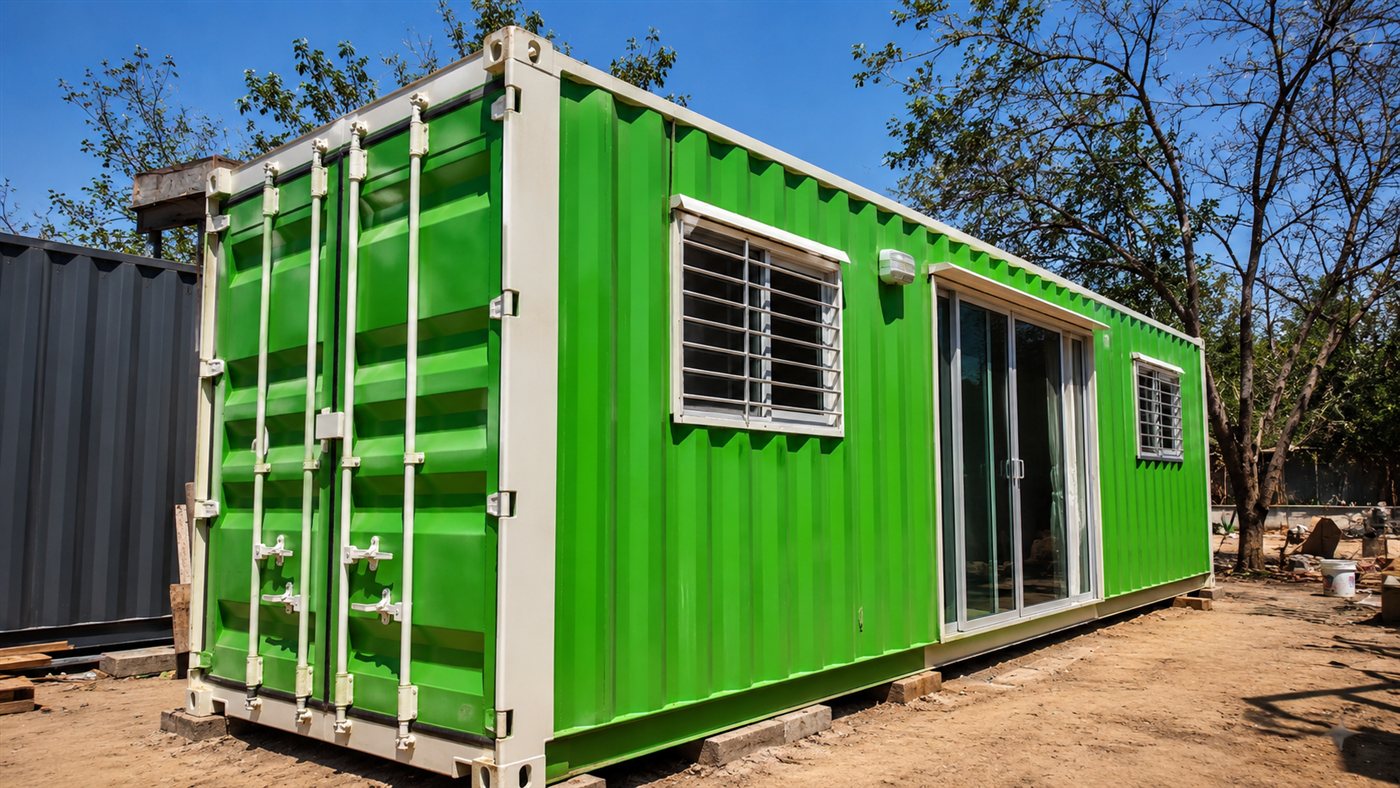
30-Square-Meter Container Home with 2 Bedrooms, Living Room, Kitchen, and Bathroom Sold for $12,000 in Brazil, Tour Reveals Project Details

-
Brazilian Couple Builds Eco-Friendly Brick House, Saves 41%, and Shares Simple Test to Check Soil Suitability
-
Brazilian Company Uses 3D Printing to Construct House Modules in 48 Hours with Three Operators, Costing $180 to $240 per Square Meter, Ready for On-Site Assembly
-
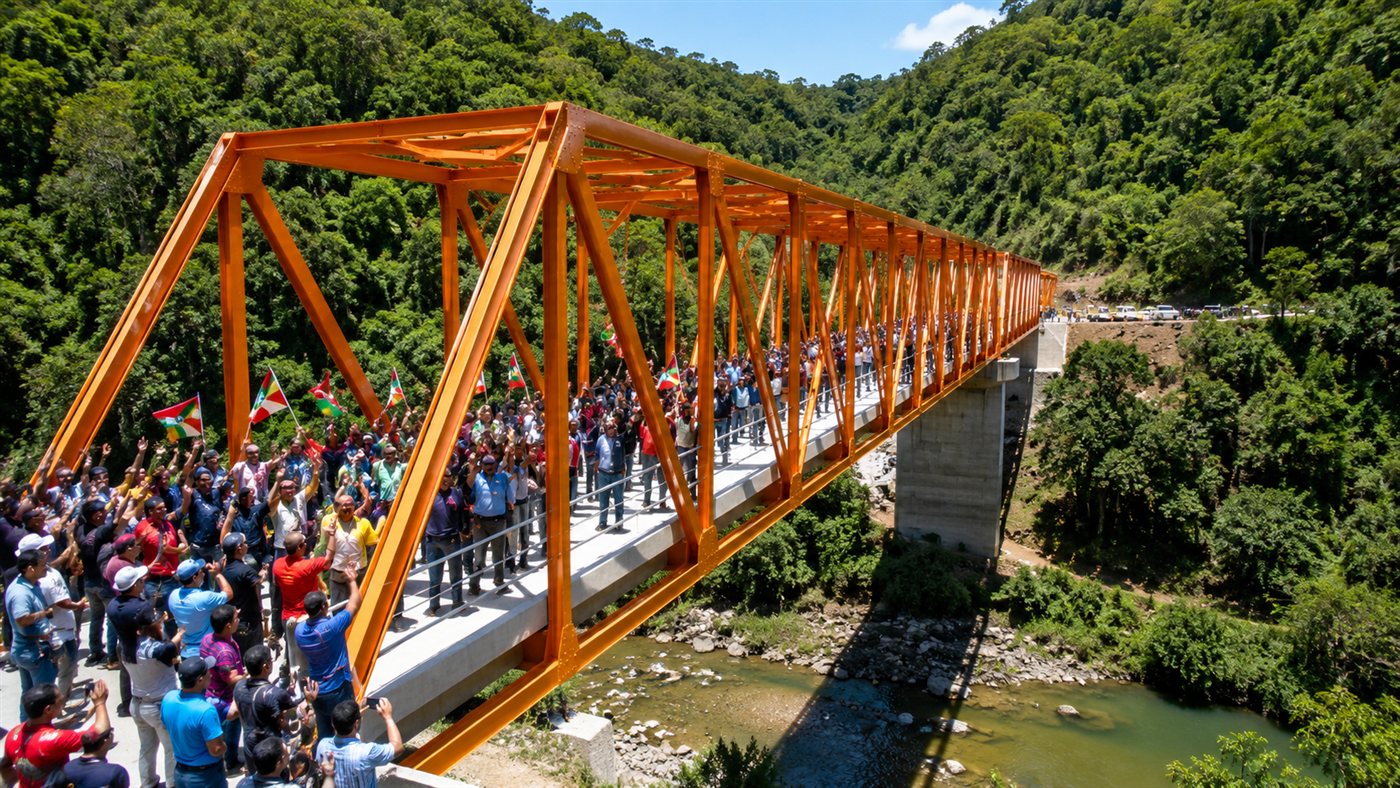
Brazilian Community Raises $1.4 Million, Builds Bridge in 138 Days, and Lets Residents Decide on Surplus Funds


Additionally, 39% classified this difficulty as “very high”, demonstrating the seriousness of the situation.

Therefore, the bottleneck is not isolated. And it is not exclusive to Brazil.
A global study by McKinsey consulting identified that developed countries also face this shortage of workers in the sector.
The main reason, according to the survey, lies in the demographic crisis that reduces the supply of young labor in sectors like civil construction.
Labor Costs Soar and Professional Training Does Not Keep Pace
As the number of skilled workers shrinks, the wages paid to them rise dramatically.
According to data from Sinapi (National System for Researching Construction Costs and Indices), the cost of labor increased 69% over the past ten years.
Additionally, the training of new professionals does not keep pace with the sector’s demand.
The pace of construction has accelerated. However, the number of trained professionals has lagged behind.
Consequently, companies of all sizes face obstacles in maintaining their schedules. At the same time, they lose productivity and pressure their budgets.
Technological Advances Increase the Qualification Challenge in Civil Construction
Another factor exacerbating the problem is the technological advancement on construction sites.
Solutions such as BIM (Building Information Modeling) and the use of digital tools in operational routines require more specific technical knowledge.
After all, beyond physical effort and traditional knowledge, the new roles require digital literacy and mastery of software.
However, investment in technical training still remains below what is necessary.
The supply of courses is limited. Moreover, companies often assume this training role, not always with sufficient time and budget.


Possible Paths: Automation, Training, and Outsourcing
Despite the challenging scenario, some companies are turning the tide.
More established construction firms have begun to invest in internal training programs to train their teams.
Others have chosen to automate processes and reduce dependence on human labor for repetitive tasks.
However, the solution that has been growing the most in recent years is outsourcing skilled labor.
Partnerships with specialized companies allow hiring everything from laborers to engineers and supervisors, all already trained, with practical experience, and ready to work on residential, commercial, and industrial projects.
This model reduces hiring time, diminishes risks, and makes costs more predictable.
New Reality Requires Flexible Mindset and Long-Term Strategy
Therefore, the old model of direct hiring and internal training is giving way to smarter and more integrated solutions.
Outsourcing is not just a way to cut expenses, but also a strategic response to a landscape of profound changes in the sector.
In summary, the shortage of professionals has ceased to be merely an obstacle.
It has become a catalyst for transformation, forcing companies to modernize their people management, optimize processes, and adopt new technologies.
The Brazilian construction industry, if it wants to maintain its growth pace, will need to rethink its productive structure, work methods, and relationship with human capital.
- considerations by Leonardo Dahlem, co-founder of Dahlem S.A.