






 Portuguese
  Spanish


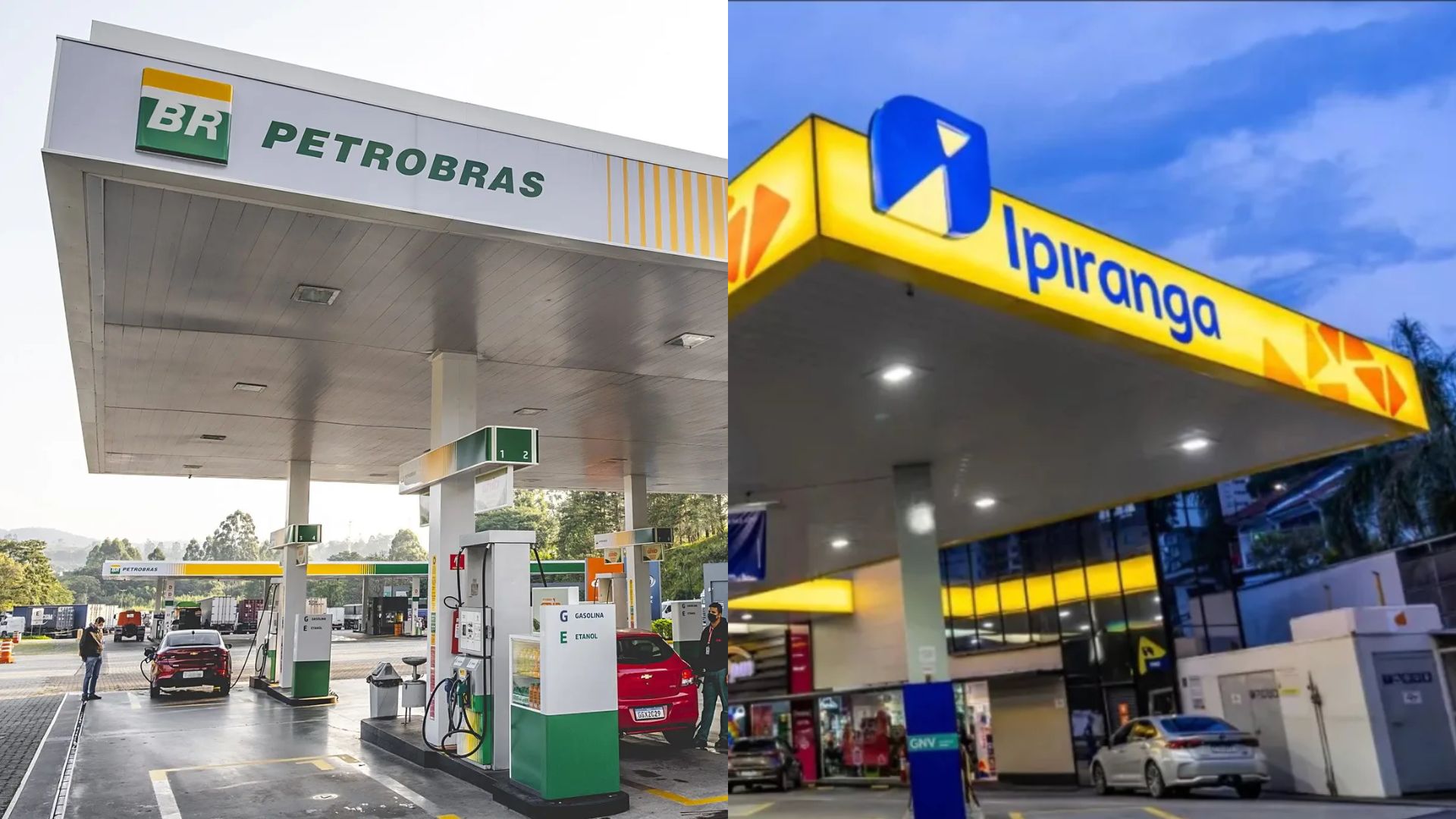


Gas Station Networks in Four States Prepare Offensive Against Distributors, Gathering Evidence and Engaging Cade and ANP for Alleged Abusive Practices in Contracts that Include Extended Exclusivities and Million-Dollar Fines.
Gas station networks from Minas Gerais, Mato Grosso, São Paulo, and Paraná are organizing an offensive against distributors.
They plan to enter as interested third parties in the administrative process opened by the Administrative Council for Economic Defense (Cade) to investigate anti-competitive conduct by Petrobras Distribuidora and Ipiranga.
The movement was initially reported by Revista Veja.
-
JBS Halts Beef Production for China as Brazil Exceeds 50% of 1.106 Million-Ton Quota; Tariff May Rise from 12% to 67%, Raising Concerns Over Cattle Prices.

-
Brazil’s Social Security Alters Biometric Rules for Pensions and Benefits, Sets 30-Day Deadline, Expands Requirements, and Clarifies Who Is Exempt from Immediate Update

-
Major Brazilian Supermarkets, Including Carrefour and Assaí, May Close Earlier to Prevent Price Increases
-
Coca-Cola Shuts Down 100-Year-Old Factory in the U.S., Impacting 85 Workers and Shaking Local Community with Historic Consequences


These groups also intend to bring the issue to the National Agency of Petroleum, Natural Gas and Biofuels (ANP) to provoke the opening of procedures for alleged non-compliance with sector regulations.
Cade and ANP at the Center of the Dispute
The aim is to reinforce Cade’s investigation into practices that would restrict competition in reselling, with exclusivities of 10 to 15 years and requirements to purchase large volumes.
In sector regulation, the intention is for ANP to verify whether the commercial contracts and termination processes comply with current rules, especially regarding brand switching and supply.
Participation as interested third parties will grant access to the records and allow for the presentation of documentation that, according to the gas stations, evidences clauses considered abusive.
Documentary Evidence and Contract Clauses
The networks claim they are gathering documentary evidence about exclusivities, mandatory minimum volumes, and fines imposed at the end of contracts when targets are not met.
According to lawyer Antonio Fidelis, who represents gas stations in various states in actions against Ipiranga, BR, and Raízen, the contracts include purchasing requirements above the sales capacity of many resellers.
“The required purchase volumes are high and those who cannot comply must pay, at the end of the contract term, fines of up to 10% on the difference between the volume not purchased,” he stated.
He stated, “in some cases, the fine amount reaches 38 million reais.”
Reports indicate long-term contracts, with exclusivity and minimum acquisition targets for fuels.
When the gas station does not reach the expected volume, the fine is calculated on the difference between what was contracted and what was purchased.
Cade is assessing whether these conditions constitute abuse of economic power and artificial inflation of switching costs.

Controlled Margin Operation
The Cade process is a continuation of the Controlled Margin Operation, launched by the Public Ministry of Paraná in 2018.
In the investigation, prosecutors reported the existence of a “non-aggression” pact among distributors, whereby branded gas stations would not be approached by competitors for up to one year after the contract termination.
The complaint points out that making brand switching difficult would discourage the reseller from seeking new supply conditions.
Cade is investigating whether these practices were coordinated in the market and whether there was cartel formation or equivalent conduct.
According to Revista Veja, such barriers may have affected gas stations in several regions of the country.
Measures Expected by Resellers
Registration with Cade, according to the gas stations, will allow the inclusion of documents and reports that exemplify the contracts.
Engagement with ANP seeks to open a regulatory front focused on monitoring of contract clauses and supply conditions.
The networks claim they are standardizing petitions, consolidating volume and fine spreadsheets, and submitting materials simultaneously to both agencies.
Impacts on Operations
According to resellers, long contracts with high targets affect inventory management, working capital, and the freedom to negotiate prices.
They state that brand switching becomes more costly when there are fines to pay at the end of the contract.
Next Steps
With the process underway at Cade and potential movement at ANP, the networks intend to submit documents and formalize requests to strengthen the inquiry.
The material to be presented includes contracts, statements of volumes purchased, and termination notifications, as well as reports on difficulties in receiving new proposals after the contractual end.
The gas stations believe that organizing by state and brand will help the agencies compare and verify the extent of the questioned clauses.
Thus, Cade will need to assess whether the indications point towards coordinated action by the distributors or whether they reflect isolated commercial practices. In any case, as noted by Revista Veja, the case is a test for measuring the joint action of Cade and ANP in the fuels sector.





Tá parecendo ma fé
O repórter está tão mal informado que não sabe que que não existe mais BR, que foi vendida para uma empresa privada e agora se chama Vibra. Se informa primeiro para depois informar os outros!
A Petrobras, no governo anterior, vendeu a BR Distribuidora para a Vibra. A negociata alugou, sem custos, o nome da Petrobrás para a nesma Vibra. Agora a Petrobras reduz o preço dos combustíveis na refinaria e o preco não desce na bomba.