






 Portuguese
  Spanish
 3 min of reading


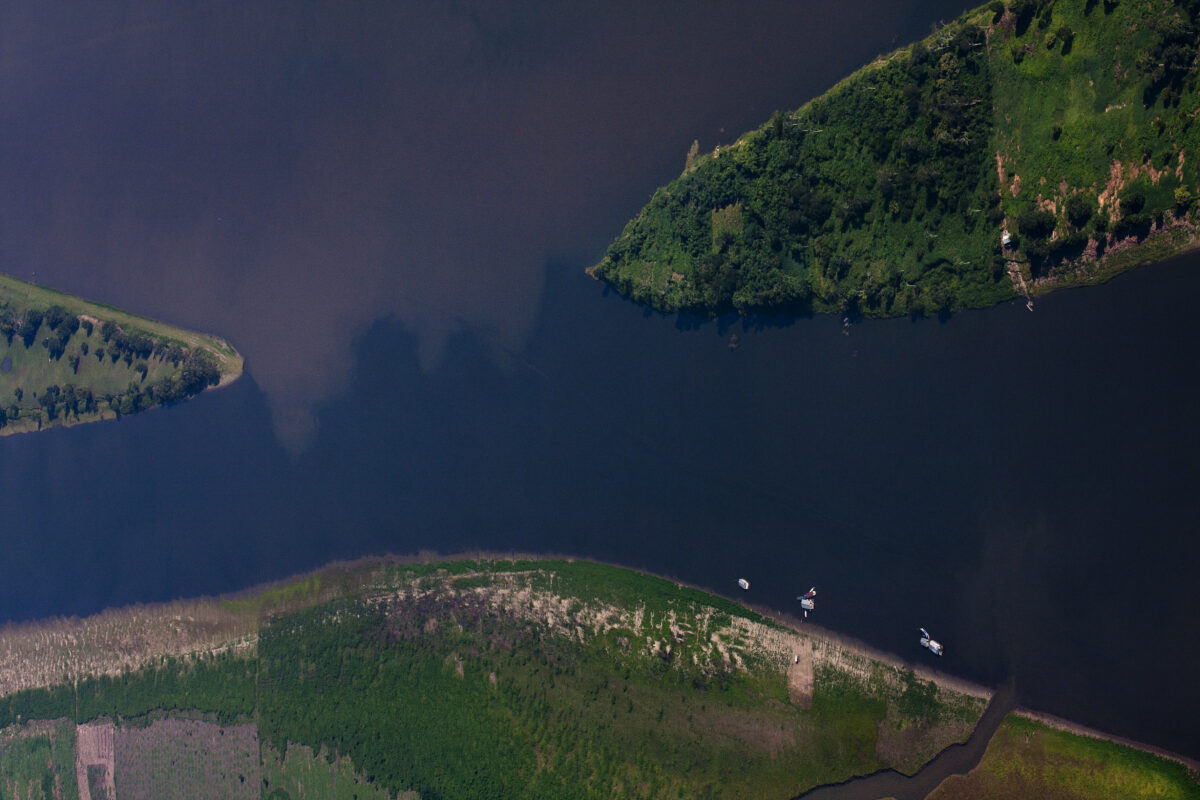
The Potential of the Brazilian Potash Mining Industry Has Been Unlocked Thanks to Recent Technological Advances, Allowing Brazilian Miners to Safely and Efficiently Access and Extract This Mineral.
We Will Explore the Potential of the Brazilian Potash Mining Industry, the Technologies Used, and the Economic Benefits They Can Bring to the Country and the Potash Market. Brazil Potash Is a Canadian Mining Company Whose Main Project, Autazes Potash, Is Located Near Manaus, Brazil. The Brazilian Government Supports the Project, and Last Year, Much Was Discussed About the Importance of Fertilizers for the Country. The Government Released the National Fertilizer Plan, Highlighting the Importance of Potash in the Country’s Fertilizer Mix.
Learn About the Project for the Growth of Potash Mining in Brazil
The Autazes Potash Project Aims to Double Current Production and Revolutionize the Domestic Market. Currently, the Global Market for Potash-Based Fertilizers Is Dominated by a Few Countries, Such as Russia, Canada, and Belarus. This, in Turn, Makes It More Expensive for Companies and Countries to Import Potash for Vital Uses, Such as Improving Crop Yields and the Quality of Fertilizers.
The Potential of the Autazes Potash Project Is So Great That It Could Alone Change the Dynamics of the Potash Market and Ultimately Turn Brazil From a Net Importer Into a Future Net Exporter. Brazil Is One of the Largest Agricultural Exporters in the World, and Its Potash Mining Industry Has Not Contributed to This Success. The Country Has Large Potash Deposits Estimated at Around 45 Billion Tons, Enough to Meet Global Demand for the Mineral for Decades. These Deposits Are Primarily Located in the Northern Region of Brazil and Are Considered Among the Most Promising in the World.
-
Bolivian Female Construction Workers Form Association to Combat Discrimination and 38% Pay Gap in the Industry

-
Near Amsterdam, residents buy land and discover they must also build streets, manage drainage, handle waste, and grow food on half their plot.
-
Without a mansion, without high investment, and without a traditional classroom, a teacher living in a 22 m² house taught students to build a 9 m² studio apartment with the equivalent of R$10,000.
-
Without her own home and pressured by rent, a 25-year-old bought a small 15-meter boat, gradually renovated the interior by herself, transformed the interior with paint, new flooring, a larger bathroom, and started living on the canals, paying much less per month.


Development of Potash Mining Projects
There Are Several Stages That a Potash Mining Project Must Complete Before the Mineral Can Be Extracted Efficiently and Safely. The First Step Is to Conduct a Geological Survey of the Area, Which Includes the Use of Geophysical Instruments to Determine the Size and Shape of the Potash Deposit. Subsequently, Drilling Programs Are Conducted to Better Characterize the Deposits and Create 3D Maps of Them. Next Comes the Mine Construction, Which Is Typically Done Using Underground Mining Techniques.
When a Mine Is in Operation, Minerals Are Extracted and Processed in Different Ways, Depending on the Type of Potash Being Extracted. Potash Can Be Processed Into Various Products, Such as Fertilizers, Animal Feed, and Industrial Chemicals. It Can Then Be Transported to Its Destination.
The Benefits of Potash Mining in Brazil
Potash Mining in Brazil Has Brought a Series of Benefits to the Country’s Economy. It Creates Jobs in the Mining Industry and Helps Boost Rural Areas. It Also Generates Tax Revenue for the Government and Provides a Reliable Source of Income for Communities Around the Mine. The Increased Production of Potash Also Contributes to the Sustainable Development of the Agricultural Sector. Fertilizers Produced From Potash Help Increase Crop Yields and Improve Soil Fertility, Thus Helping to Reduce Hunger and Poverty in Rural Areas.







Be the first to react!