






 Portuguese
  Spanish



With A Focus On Sustainable Development, The Mineral Potential Of Rio Grande Do Sul Attracts Investments And Strengthens The Mining Industry, Highlighting Innovation, Jobs And Environmental Balance
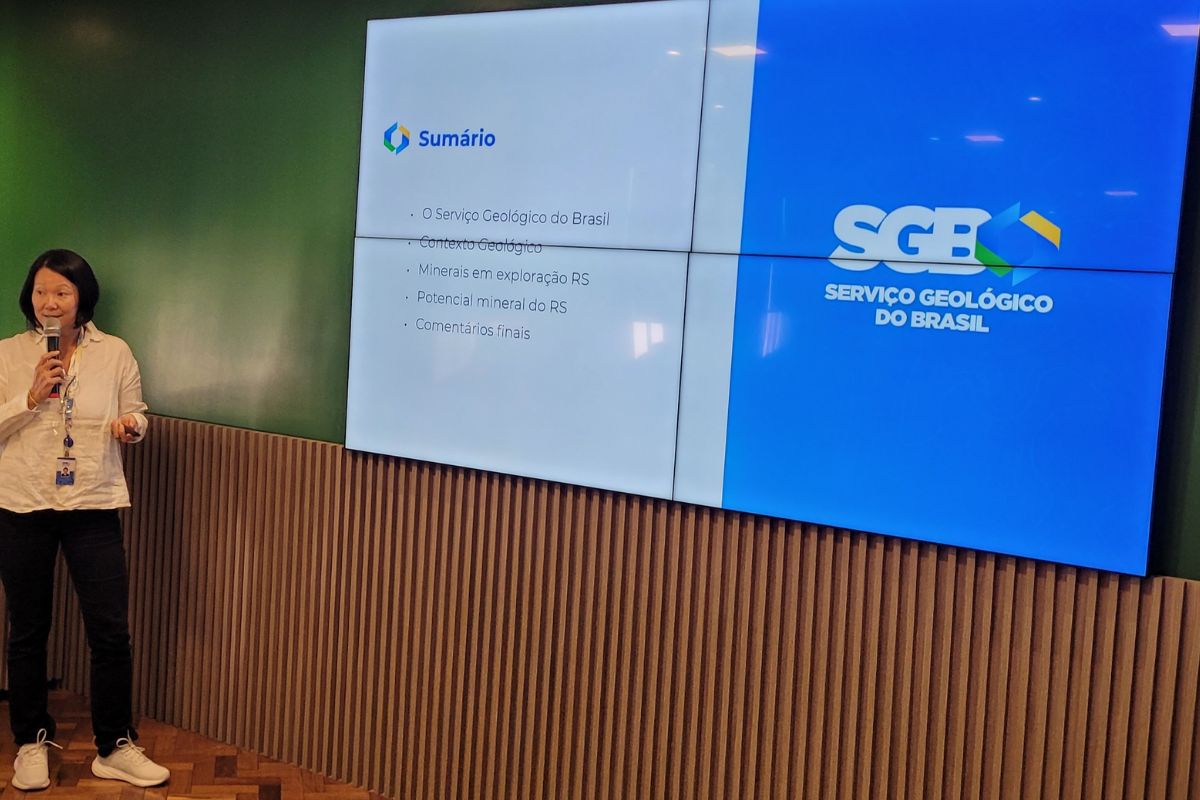
The mineral potential of Rio Grande do Sul was the main highlight of the Mining Industry Forum, held by the Federation of Business Entities of the State (FEDERASUL) in Porto Alegre, on the last day of October 7.
The event brought together experts, entrepreneurs, and public authorities to discuss the future of mining in Rio Grande do Sul from the perspective of sustainable development, according to a report published.
Researcher Lucy Takehara Chemale, regional superintendent of the Geological Service of Brazil (SGB), presented data that reinforce the strategic role of the state in national mineral production.
-
China Dominates Over 90% of Rare Earth Refining, Prompting Global Concerns: Canada and Japan Launch Billion-Dollar Plan to Reduce Dependency and Safeguard Batteries, Semiconductors, and Defense

-
Warm water hidden deep in the ocean has been moving towards Antarctica for 20 years, potentially accelerating glacier melting from below.
-
U.S. Offers Nearly $200,000 to Combat Invasive Mussels Threatening Waterways and Hydroelectric Plants
-
Cigarette Butts Pollute Brazilian Beaches, Sparking Debate on Coastal Environmental Protection Measures


Coal, which represents about 90% of Brazilian reserves, and amethyst, whose extraction positions RS as the largest global producer, were highlighted as pillars of this natural wealth.
The presence of titanium deposits in São José do Norte and the historical production of copper in Minas do Camaquã reveal the economic and environmental potential of the sector.
Sustainability In Mining And Job Creation In Rio Grande Do Sul
During the panel “The Mineral Wealth of Rio Grande do Sul in Building a Sustainable Future,” Lucy Chemale emphasized the importance of aligning the mineral potential of Rio Grande do Sul with sustainability policies.
According to the researcher, each direct job in mining results in more than ten indirect jobs, which reinforces the social and economic relevance of the activity.
The sector, in addition to generating income and local opportunities, has been investing in new environmental control technologies and recycling of mineral waste.
The Secretary of the Civil House, Artur Lemos, and the Director of Sustainability of the Brazilian Mining Institute (Ibram), Júlio Nery, emphasized that the balance between exploration and environmental preservation is the way to consolidate sustainable growth in the state.
Technological Innovation And Strengthening The Mineral Production Chain
Technological advancement has been fundamental in enhancing the mineral potential of Rio Grande do Sul and increasing the sector’s competitiveness in the national scenario.
The Bom Retiro project, in São José do Norte, which houses a world-class titanium deposit, represents a new frontier of mineral innovation.
The use of digital monitoring systems and advanced geological analyses allows for the identification of new resources with lower environmental impact.
According to FEPAM, strengthening the production chain depends on the integration between science, the market, and regulatory bodies, ensuring safety, transparency, and sustainability at all production stages.
The Mineral Potential Of Rio Grande Do Sul Can Bring Regional Investments And Sustainable Economic Development
The expansion of investments in mining has the potential to transform the socioeconomic landscape of the state.
The mineral potential of Rio Grande do Sul stimulates the development of infrastructure, transportation, and services, boosting complementary sectors of the economy.
According to the director of Lavras do Sul Mining, Paulo Serpa, recognizing the geological value of the regions is essential to attract capital and consolidate RS as a strategic hub for the Brazilian mineral sector.
Furthermore, the partnership between the SGB, the state government, and private companies has promoted the necessary dialogue for mining to become increasingly responsible, sustainable, and innovative.




… [Trackback]
[…] Read More Infos here: en.en.clickpetroleoegas.com.br/The-mineral-potential-of-Rio-Grande-do-Sul-drives-sustainable-mining–regional-investments–technological-innovation–and-economic-growth-in-Brazil./ […]