






 Portuguese
  Spanish


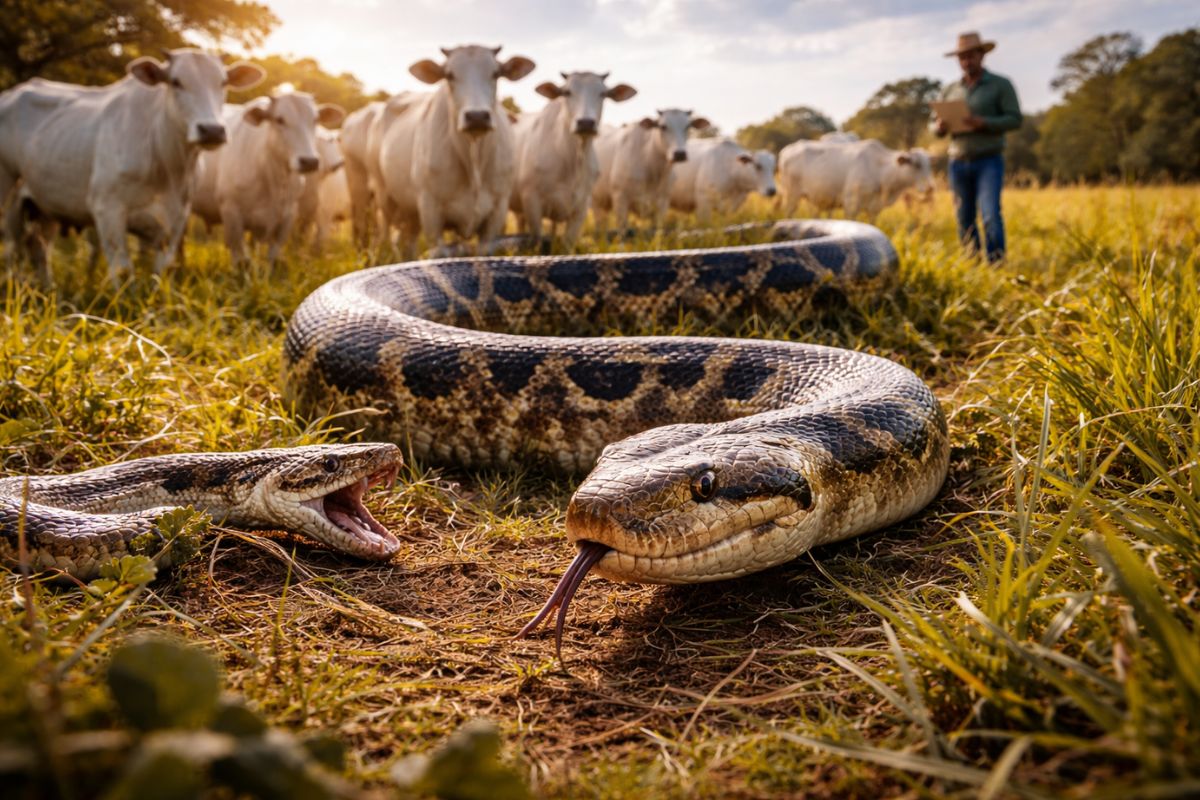


Keeping non-venomous snakes in the pasture has become a silent strategy in Brazilian farms because it reduces attacks from venomous snakes, protects workers, avoids losses in the herd, reduces accidents, and turns natural control into a real economic advantage in rural daily life with a direct impact on the safety of the Brazilian countryside today.
The presence of non-venomous snakes in the pasture has drawn attention in the Brazilian countryside for bringing together cattle protection, reduced risks, and financial gain. The snake in question is the muçurana.
Farmers have realized that keeping this animal in the rural environment helps to eliminate venomous snakes, reducing accidents and losses that were previously treated only as daily fatalities.
By allowing the non-venomous snakes in the pasture to play their natural role, producers can reduce losses, protect workers, and keep the herd safer.
-
India’s Sugar Export Cuts and Ethanol Shift Amid El Niño Threat Could Impact Global Prices and Stocks

-
Quarantine Pest Threatening Palm Trees Puts Brazilian Authorities on Alert, Prompts Monitoring at University of Taubaté and Potential Control Measures Across São Paulo
-
Global Alert: Report Finds 159 Pesticides in Coffee Beans Sold in Europe, Posing Serious Risks to Millions of Farm Workers
-
Low-Demand Brazilian Beef Offal Gains Popularity Abroad: Indonesia Purchases $19.5 Million, Boosting Revenue and Reducing Waste



The strategy spreads discreetly, based on practical observation and the results perceived within the properties.
How the Non-Venomous Snake in the Pasture Works to Protect Cattle

The non-venomous snake in the pasture acts as a biological control by eliminating venomous snakes that pose a constant threat to cattle and people.
This balance reduces the circulation of dangerous animals and creates a safer environment for rural routines.
With fewer venomous snakes, the number of accidents decreases and indirect costs also reduce.
Fewer losses mean more financial stability, something essential for those who directly depend on herd performance.
Reduction of Accidents and Losses in the Brazilian Countryside

The adoption of the non-venomous snake in the pasture directly impacts the safety of rural workers.
The decrease in encounters with venomous snakes reduces absences, medical treatments, and extreme risk situations.
Additionally, cattle are less exposed to fatal bites.
Every preserved animal represents savings, especially in regions where the losses caused by accidents were recurrent and difficult to control.
Simple Strategy That Increases Profit on Farms
Keeping the non-venomous snake in the pasture does not require high investments or complex structural changes.
The practice relies on the natural functioning of the environment and begins to generate financial return by avoiding constant losses.
The result is a more efficient system, with fewer risks and greater predictability.
Profit increases not by extra production, but by reducing damage, something that many producers have come to value in recent years.
In light of these practical effects in the Brazilian countryside, would you allow the presence of a non-venomous snake in the pasture to protect your cattle and reduce losses?









Sem dúvidas