Portuguese
  Spanish



The Price of Gasoline Was Seen at R$ 5.84, Marking a Decrease of 0.34%, and Diesel Is at R$ 6.20, With an Increase of 0.32%
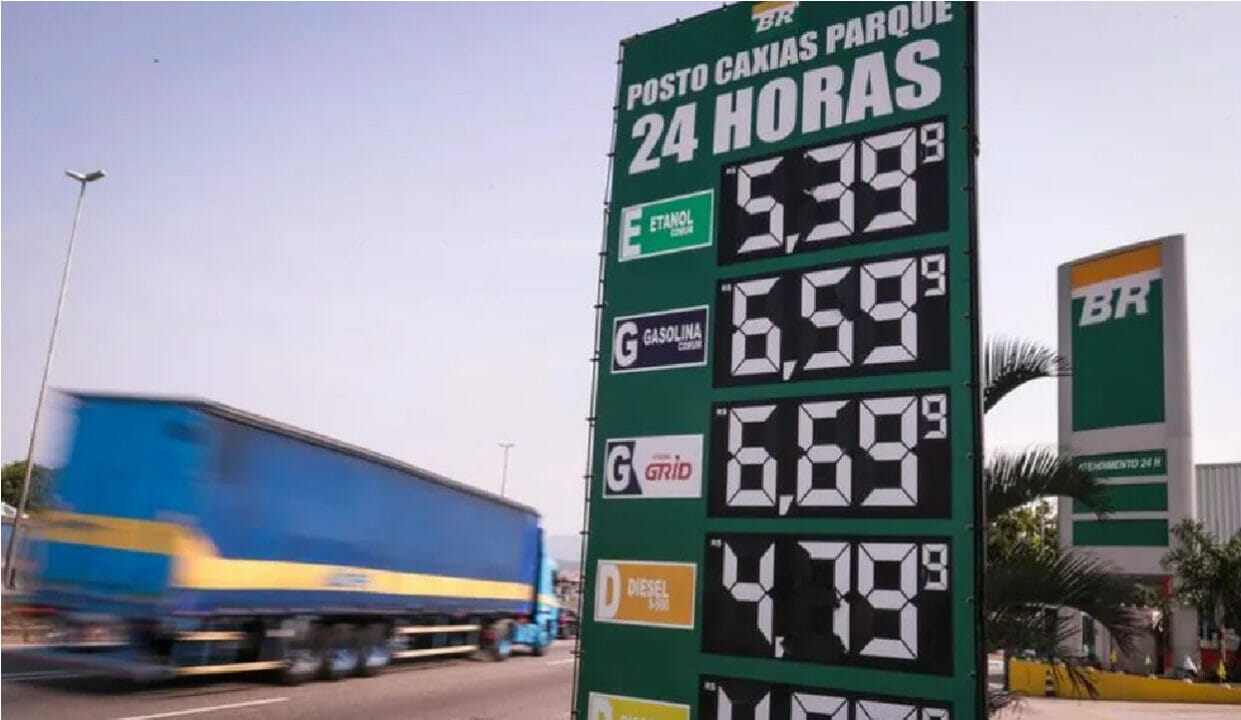
The average price of gasoline at Brazilian gas stations showed a slight decline for the third consecutive week, bringing relief to drivers. According to the latest survey by ANP (National Agency of Petroleum, Natural Gas and Biofuels), released this Friday (15), the price per liter of fuel dropped from R$ 5.86 to R$ 5.84, representing a reduction of 0.34%, according to the R7 website.
This decline comes after a period of uncertainty in fuel prices, with gasoline reaching R$ 5.88 after a price increase authorized by Petrobras in mid-August, reaching its highest value since July 2022.
Hydrated Ethanol Also Shows Price Reduction
Along with gasoline, the average price of hydrated ethanol also recorded a decrease of 0.54%, dropping from R$ 3.66 to R$ 3.64 per liter. This news may be especially welcome for owners of flex-fuel vehicles who often consider the cost-benefit relationship between gasoline and ethanol when refueling.
-
Abandoned Building in Brazil to Become Biotechnology Unit with $10 Million Investment, Bridging Science, Industry, and Public Health

-
Company Offering “Stones to Diamonds” Scheme Sells Ruined Italian Homes to Brazilians for 1 Euro, Disappears with Promised Renovations, Leaving Buyers in Debt to Italian Tax Authorities Until 2028 Without Property

-
Plastic Packaging Drives Santa Catarina Industry to 230% Growth, Aiming for R$ 500 Million by 2030 Amid Sector Crisis, with New Gearless Line Expanding in Southern Brazil to Compete in South America

-
Flamengo Star Invests in Brazilian Coastal Luxury Real Estate as Itapema Surpasses Balneário Camboriú in High-End Market Growth


However, it is important to observe that fuel prices are highly volatile and can vary due to various factors, including fluctuations in the global oil market and Petrobras’s pricing policy.
Diesel Continues on an Upward Trajectory With the Seventh Consecutive Increase
While gasoline and ethanol showed signs of relief for drivers, diesel continued its upward trajectory, marking the seventh consecutive increase at fuel stations throughout Brazil. After the partial resumption of federal taxes in September, the average price of the S-10 diesel, which is the most marketed in the country, increased by 0.32%, rising from R$ 6.18 to R$ 6.20 per liter.
This upward trend in fuel prices began after Petrobras, Brazil’s main fuel producer, announced in mid-August a significant adjustment of 16.3% in the average prices of gasoline and 25.8% in those of diesel sold to distributors.
These increases were a response to the recent surges in the prices of oil and its derivatives in the global market. This rise in fuel prices, which reached 0.87%, impacted Brazil’s official inflation rate in August, contributing to a 0.23% increase, according to IBGE (Brazilian Institute of Geography and Statistics).
It is important to remember that fuel prices play a significant role in the country’s economy, directly affecting the cost of living for Brazilians and the transportation and logistics sectors. Drivers and companies that rely on these fuels remain attentive to price fluctuations and industry policies, as these factors can significantly impact budgets and businesses.