Portuguese
  Spanish


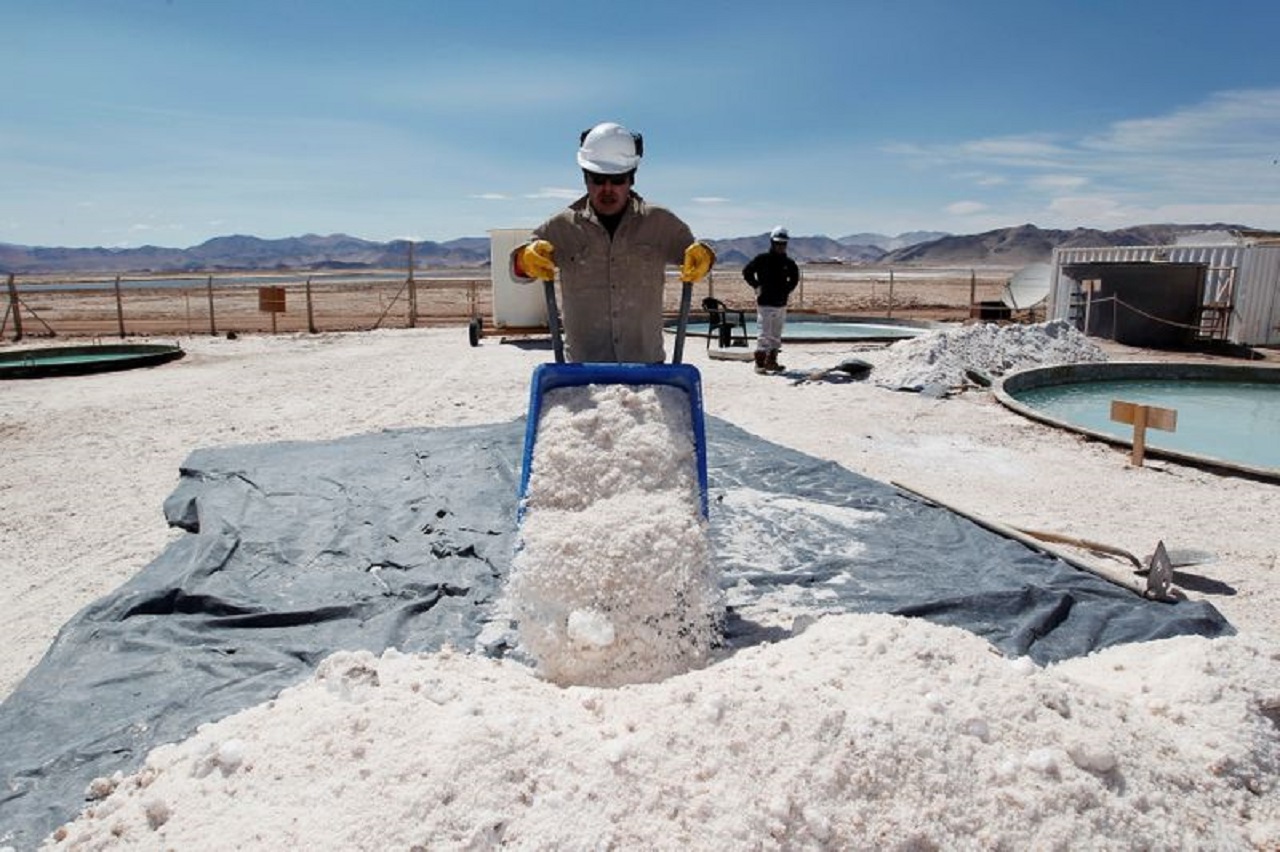

The Price of Lithium Started the Year Skyrocketing. Besides This Material, Used by the Automotive Industry for the Production of Electric Vehicle Batteries, Nickel and Cobalt Also Experience Price Changes and Threaten the Global Automotive Industry
Currently, electric cars and a large part of hybrid models use the same type of battery, lithium-ion batteries. This type of battery was already used in cell phones, laptops, and other devices in the electronics industry that need battery power. A major advantage of this type of battery is that it can be made in various sizes and be compact. With a great demand for electric models in the automotive industry around the world and consistently high sales of smartphones and other devices, there have been price increases for raw materials, such as lithium. According to Bloomberg, the price of batteries for electric cars has increased by about 35% in the past year.
Read Other Related News
Besides Lithium, Nickel and Cobalt Also Show Highs in Their Market Prices
In addition to lithium, the automotive industry batteries use nickel, cobalt, and other metals. The website Mining.com stated that the price of cobalt doubled at the beginning of this year compared to the same period last year. Nickel became 15% more expensive in the same period. There is still the challenge of lithium mining and refining due to the geographical concentration of this element.
For automotive batteries, a different type of lithium is required, which is five times more expensive than the common type, usually used in smartphones, for example. All this snowball effect of increases will result in higher prices for the electric vehicle segment.
-
Automatic, economical, and known for reliability: with a 1.5 engine of up to 110 hp, CVT transmission, seven airbags, and fuel consumption of up to 15.9 km/l, this used hatchback appears as a rational alternative to Polo, HB20, and Onix; meet the Toyota Yaris XLS 2020.

-
He surpassed the Tera, Creta, and Tracker: With a TSI engine of up to 150 hp, 6-speed automatic transmission, and a 373-liter trunk, the Volkswagen T-Cross was the best-selling SUV in June, with 11,753 registrations.

-
It looks factory-made, but it came out of a workshop: a mechanic from Pernambuco builds a handcrafted “mini Toyota,” drives it through the streets, and the video goes viral on social media, leaving residents astonished.
-
Hatch with sedan space and 1.0 car consumption: equipped with a 1.5 engine with 126 hp, CVT transmission with seven simulated gears, and consumption of up to 17.4 km/l, this used Honda delivers technology, comfort, and reliability; meet the 2022 Honda City Hatch Touring.
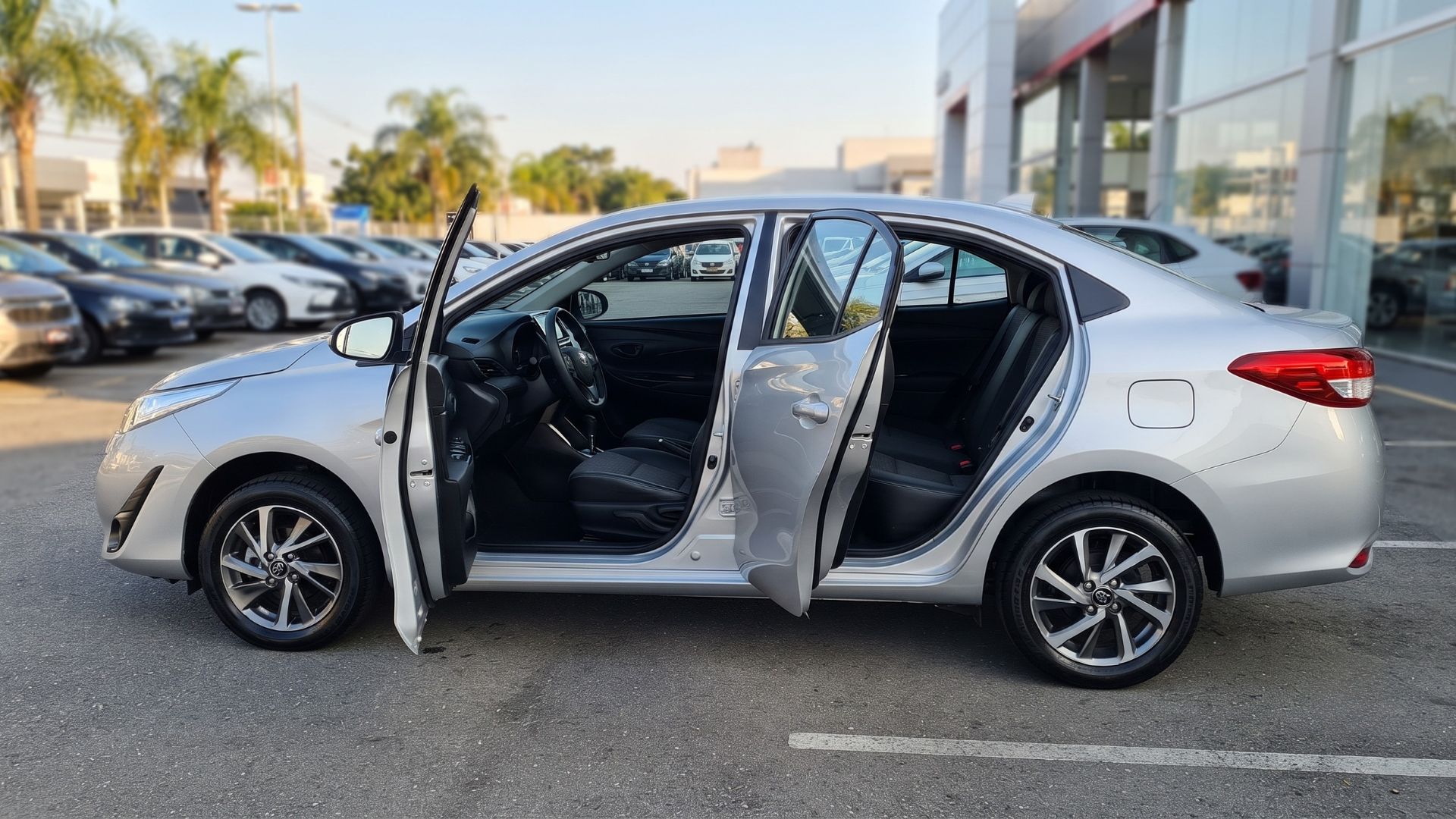


Some manufacturers, such as Toyota, are creating solid-state batteries for electric and hybrid cars. This type of battery is lighter and also safer, having no fire risk, and uses fewer rare and expensive metals in production.
Semiconductor Crisis: Another Stalemate in the Automotive Industry
The semiconductor crisis began in 2020 when the pandemic caused consumers around the world to isolate, leading to an increase in electronic device sales and a decrease in electric and combustion vehicle sales, causing a significant bottleneck in the automotive industry.
Several component suppliers claim that the chip shortage will continue throughout this year. To make matters worse, in recent months, several manufacturers have had to halt their productions due to a new outbreak of COVID-19 variants.
Tesla Plans to Buy Graphite from Mozambique to Reduce Dependency on China
Tesla announced that it will start purchasing graphite, one of the materials used in the production of batteries for electric cars, from Mozambique, Africa. This aims to reduce dependency on China, which is one of the leading markets in this segment.
The automaker will buy the ore from Syrah’s processing plant in Vidalia, Louisiana, which offers material from its mine in Balama, Mozambique.
The batteries of common electric cars use metal oxides of cobalt, nickel, iron, graphite, manganese, titanium oxides, and silica, in addition to other chemical elements. Tesla’s desire to not depend on Chinese graphite is so strong that the company states it will purchase 80% of what the plant in Africa produces, starting in 2025.