






 Portuguese
  Spanish


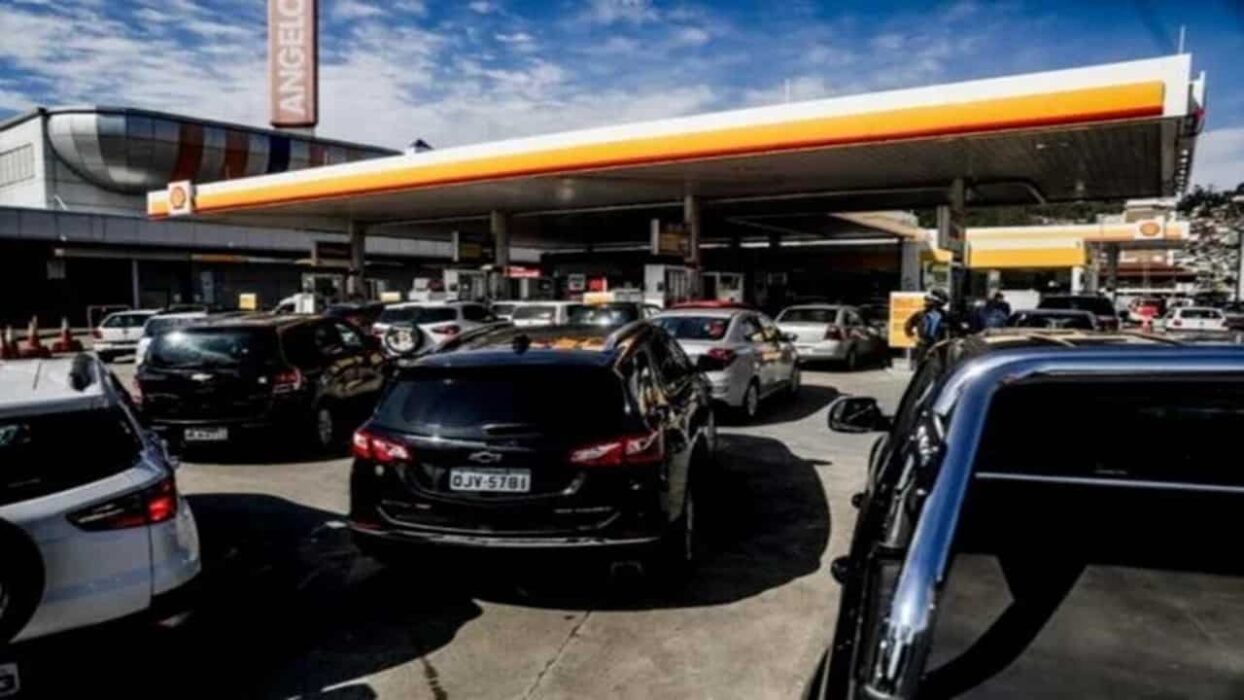

Drop In National Fuel Value: Worldwide Average Gasoline Price Is Around U$1.44, While In Brazil The Price Drops To The Equivalent Of U$1.119.
The reduction in taxes was the most relevant factor for the decrease in gasoline prices. Theentry of Caio Paes de Andrade along with government charges has caused the price of gasoline to drop by R$0.20 and indicated that it would continue to decrease in the coming weeks.
With the elections approaching, Bolsonaro declared that the price should drop and become the cheapest globally, but this benefit has an end date, the end of his term.
The drop in value is around 16.7% compared to the global average. According to data recorded by Global Petrol, the average gasoline price worldwide is around U$1.44, while in Brazil the price drops to the equivalent of U$1.119.
-
Brazil’s ANP Opens 86 New Oil Blocks in the Equatorial Margin, Expanding the Amazon River Mouth Frontier

-
OPEC+ Boosts Oil Supply by 188,000 Barrels per Day in July 2026, Leading to Price Drop from $112 to $89 per Barrel in Under Two Months

-
TotalEnergies Signs 20-Year Deal to Purchase 2 Million Tons of LNG from Alaska, Boosting Project Viability
-
Turkey Deploys Çağrı Bey Drilling Ship to Explore New Oil Frontier Off Somalia’s Coast
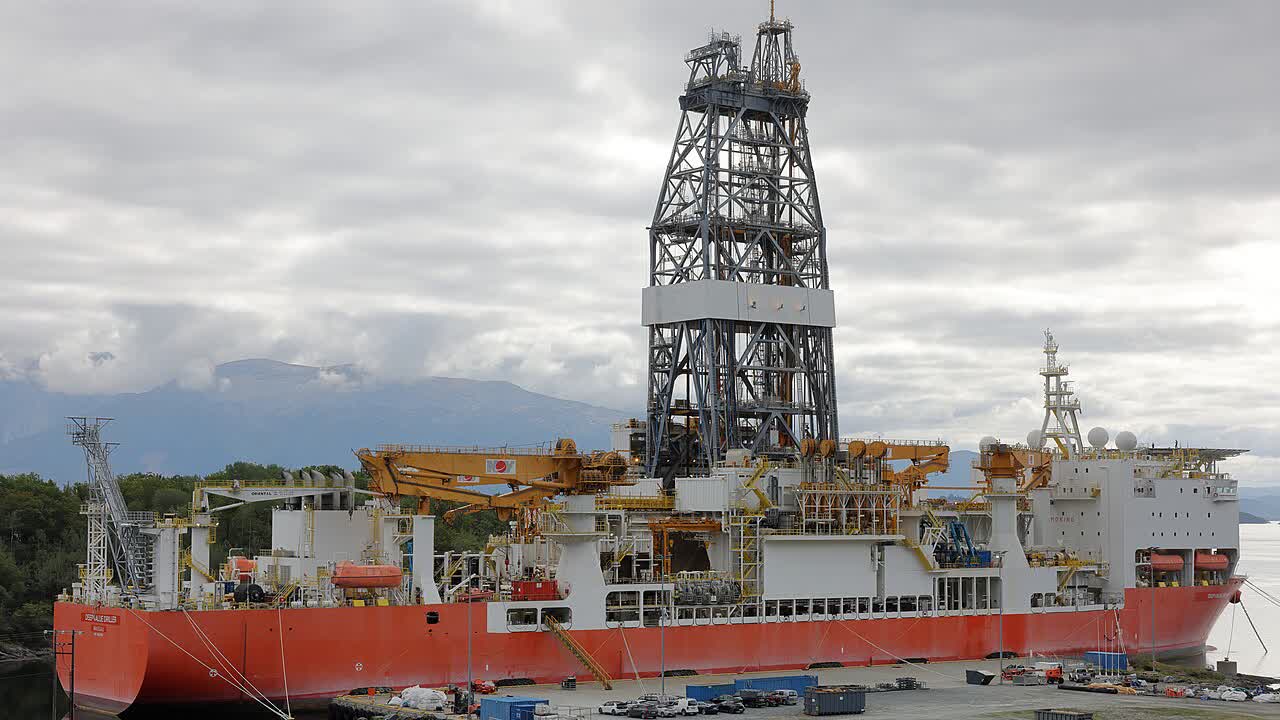
Abicom reported that the price was similar to that of imports, all due to the reduction of prices at Petrobras refineries.
Fuel Price Change Affects Not Only Directly But Also Indirectly
Obviously, the change in fuel prices influences not only directly but also indirectly when we talk about the overall economy of the country. The three main factors are the federal tax cuts, Goods and Services Tax (ICMS) and the determination of a cap on taxes related to the product at up to 18%.
Despite these factors, oil prices are still quite unstable, while diesel has maintained its prices and shows no signs of change for now. The main issue with diesel is the scarcity that has been emerging in the market over the months, as national consumption has seen a considerable increase.


