Portuguese
  Spanish


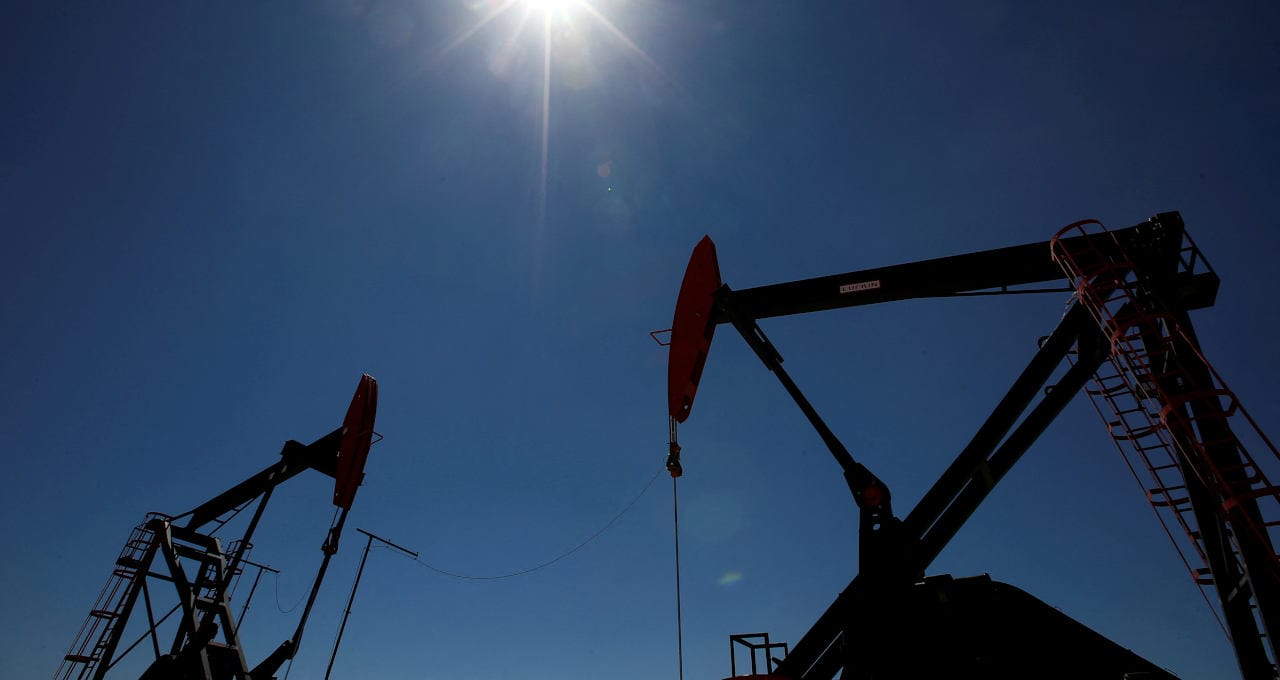

“Brent Oil Falls Below US$ 74, Lowest Level in 5 Months. 3% Drop Affects Petrobras.”
The oil market faces a scenario of uncertainties regarding new OPEC+ cuts and a projected imbalance between supply and demand in 2024, affecting the quote of oil. Brent oil reached its lowest level in five months on Tuesday (12), priced at less than US$ 74, impacting companies in the sector, such as Petrobras (PETR3;PETR4) and other oil companies listed on the stock exchange. The commodity, which nearly hit US$ 100 in September, is today affected by a forecast of excess oil supply next year, alongside a projected decline in fuel demand. Even the production cuts by OPEC+ have not been sufficient so far to alleviate the drop in barrel prices. According to Jim Ritterbusch, president of Ritterbusch and Associates LLC, in an interview with Reuters, the countries participating in the group have seen their sales revenues decrease with the lower volumes produced, which has generated skepticism in the market about announcements of new cuts.
The falling Brent barrel price pulls down the shares of oil companies, including the blue chip Petrobras. The company’s preferred shares were down 0.90% on Tuesday afternoon and 4.57% for the month. With the uncertain scenario regarding oil and the possible imbalance between supply and demand in 2024, oil companies are facing a challenging period. Prio (PRIO3) and 3R Petroleum (RRRP3) fell 1.07% and 2.26%, respectively. Petrorecôncavo (RECV3) extended its drop to 2.35%. The fuel distributor Vibra (VBBR3) was down 2.86%.
Oil: Forecast of Demand Deceleration Amid Projection of Excess Supply
After recent projections of decline in fuel demand, the oil market has faced concerns about excess supply. The forecasts indicate a possible imbalance between supply and demand, which has led major producers to consider cuts in barrel production.
-
Brazil’s ANP Opens 86 New Oil Blocks in the Equatorial Margin, Expanding the Amazon River Mouth Frontier

-
OPEC+ Boosts Oil Supply by 188,000 Barrels per Day in July 2026, Leading to Price Drop from $112 to $89 per Barrel in Under Two Months

-
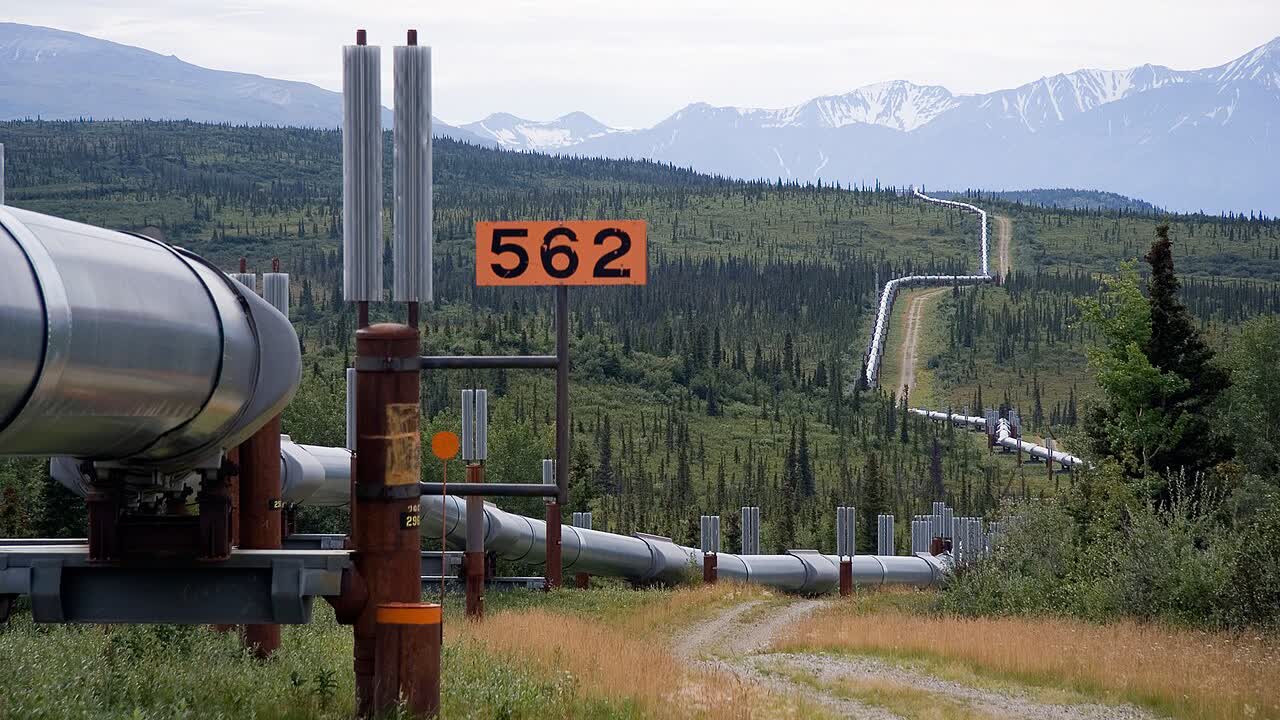
TotalEnergies Signs 20-Year Deal to Purchase 2 Million Tons of LNG from Alaska, Boosting Project Viability
-
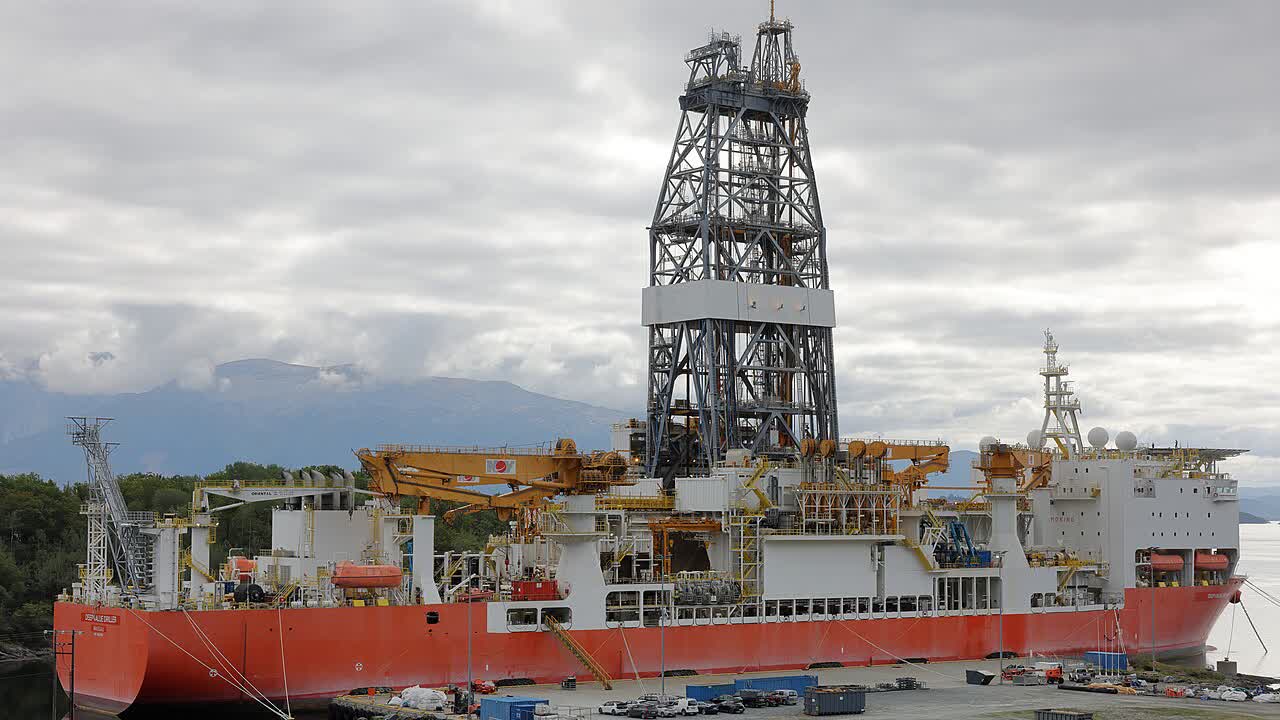
Turkey Deploys Çağrı Bey Drilling Ship to Explore New Oil Frontier Off Somalia’s Coast

Oil, considered an important commodity, has been affected by forecasts of declining fuel demand, mainly due to the impacts of the pandemic and global economic uncertainties. Analysts warn that excess supply may create additional pressure on oil prices, hindering market recovery.
The projection of imbalance between supply and demand has led producing countries to consider measures to control production and avoid a situation of excess oil in the market. The Organization of the Petroleum Exporting Countries (OPEC) and its allies, such as Russia, are closely monitoring the situation and discussing the possibility of new production cuts.
Faced with uncertainty and projections of declining fuel demand, the oil market has experienced volatility, with prices fluctuating in response to news and economic data. It is expected that oil production will continue to be a central theme in discussions among producing countries in the coming months as they seek to balance supply with demand and stabilize commodity prices.
Source: MoneyTimes