






 Portuguese
  Spanish
  3 min of reading


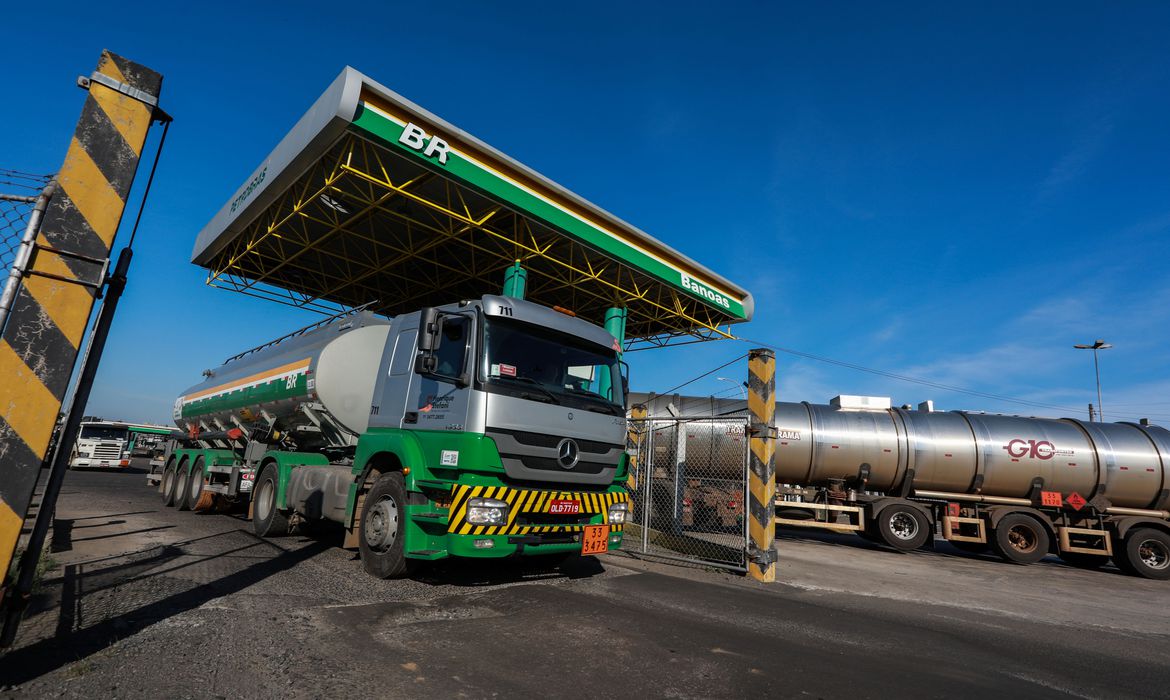
Petrobras President, Joaquim Silva e Luna, Met Yesterday (29) with CNTRC, a Group that Gathers Truck Drivers’ Representatives
Yesterday, Tuesday (06/29), Petrobras President Joaquim Silva e Luna met with the board of the National Council of Road Cargo Transportation (CNTRC), a group that gathers truck drivers’ representatives. The association called for a truck drivers’ strike on the next 25th. See also: Diesel Price Rises Again and Truck Drivers Demand Tax on Oil Exports to Alleviate Fuel Costs
- Company Creates System Using Rotating Mirrors Capable of Reflecting and Storing Solar Energy More Efficiently
- Minas Gerais Receives R$ 400 Million Investment from Multinational Aryzta for New Factory Construction Promising 1,300 New Jobs
- Aneel Approves New Value for Red Flag Rate on Consumers’ Electricity Bills; Adjustment Exceeds 50%
- Electric Motorcycles and Scooters Become Popular Among Brazilians, and Alibaba Offers the Best Options for Those Looking to Import
- Nissan Includes Its Electric Car, Nissan Leaf, in the Electric Car Sharing Service of Itaú in Brazil
The Meeting with the CEO of Petrobras and the Discussion on Diesel Prices
Attending the meeting were Petrobras CEO, Plínio Nestor Dias (President of CNTRC), Alécio da Cruz Paulino (Vice President), José Roberto Stringasci (Director of the General Secretariat), Cláudio da Costa Oliveira (Director of the National Secretariat of Administration and Finance), Flavio Aparecido da Silva Zamith (Director of the National Secretariat for Crisis Management, Urgencies, and Emergencies), and Eduardo Madureira Santos (Legal Director).
The President of CNTRC thanked the attention of the Petrobras President and presented the demands of cargo transporters to Joaquim Silva e Luna. The President listened to the concerns of the CNTRC representatives and stated that he would evaluate the sector’s suggestions.
-
Central Bank changes rule that lasted decades and allows dollar and euro accounts in Brazil for exporters and companies with foreign capital, eliminating the need for currency exchange in some transfers starting in October 2026.

-
The Central Bank ends the R$ 500 limit on Pix by approximation, and account holders will be able to use the general Pix limit to pay any amount by tapping their phone on the terminal starting in October 2026.
-
A collective political will that allows for the creation of a cross-party and state agenda, focusing on concrete actions such as reducing the Custo Brasil; commitment to fiscal balance; feasible goals that enhance professional qualification and the adoption of a myriad of incentives aimed at innovation.

-
PIX from BRICS becomes reality: BRICS Pay advances to enable international payments without the dollar; system inspired by Pix and based on blockchain could move up to 20% of global trade by 2030, while bloc countries already account for 40% of the world economy.




According to the Petrobras President: “Road modal transportation is very important for Brazil. Petrobras seeks to understand the actors of society, evaluates the best way to contribute to all of them, and is always open to dialogue.”
See Also: Indefinite Strike of Truck Drivers Starting July 25 Against the Increase in Fuel Prices Charged by the State-owned Company
Truck drivers’ strike: all categories are called by the National Council of Road Cargo Transportation – CNTRC, through a notice, for a stoppage, for an indefinite period, starting on the next July 25, Truck Driver’s Day (Saint Christopher). Christopher means “he who carries Christ,” against the increase in diesel prices charged by Petrobras.
The CNTRC claims, in one of the justifications presented, that the fuel price adjustments promoted by Petrobras, without adequate explanations, violate even determinations of the Consumer Defense Code – CDC. It also cites that attempts to discuss the matter with the company’s management have been unsuccessful. Furthermore, the suggested pricing policy sent, which was promised to be analyzed by the company, has not received a response to date.
After the diesel price rose again, with the end of a temporary exemption from federal taxes that lasted for two months, the CNTRC group (National Council of Road Cargo Transportation), which gathers representatives of truck drivers, advocated for a tax on oil exports and the use of the same to reduce taxes on fuels. This charge was made last 25th by the group in an open letter to President Jair Bolsonaro.
Petrobras has adopted, since 2016, the Import Parity Price (IPP) to adjust fuel prices in Brazil. At that time, adjustments were practically daily, following fluctuations in the international market, but now there is no set deadline.




Be the first to react!