Portuguese
  Spanish


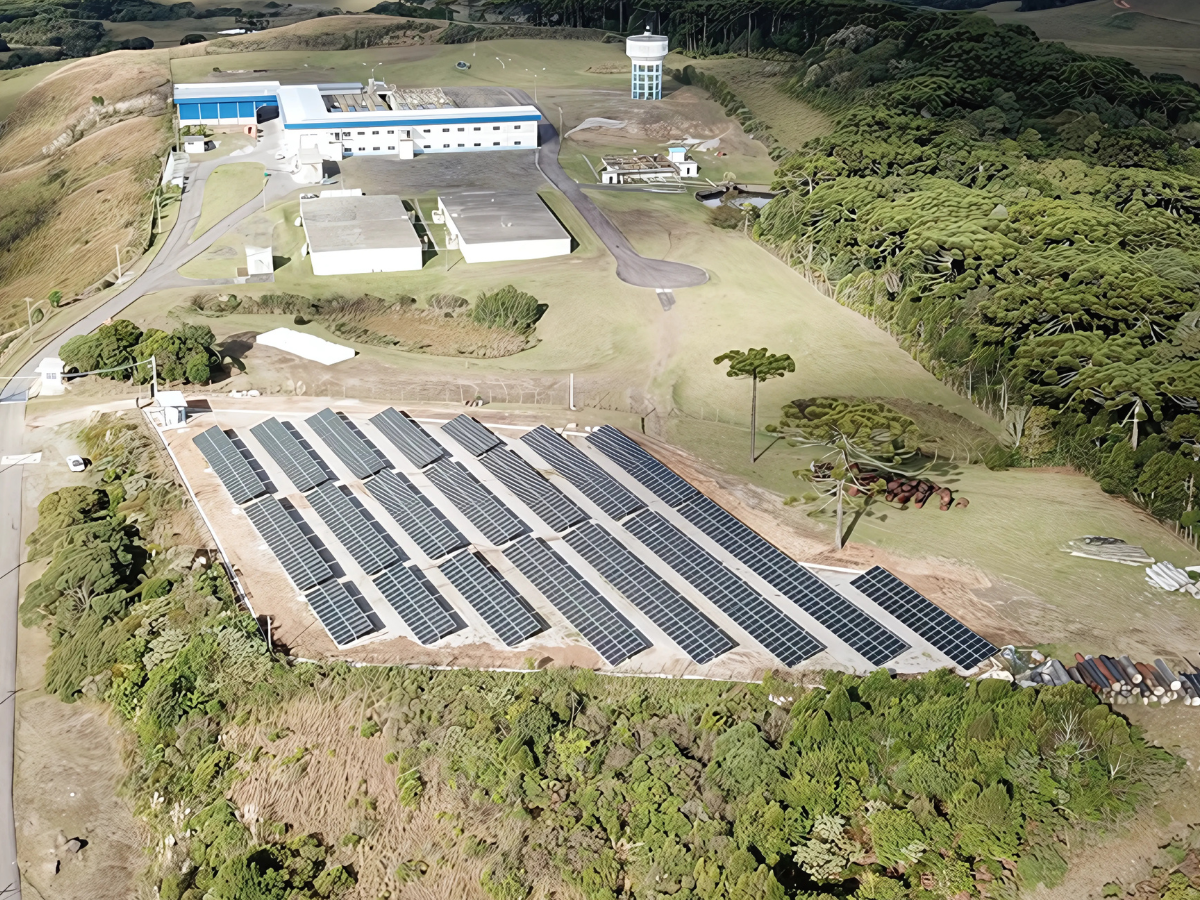

Caxias do Sul, RS, Inaugurates First Samae Solar Plant and Expects Savings of R$ 420 Thousand Per Month.
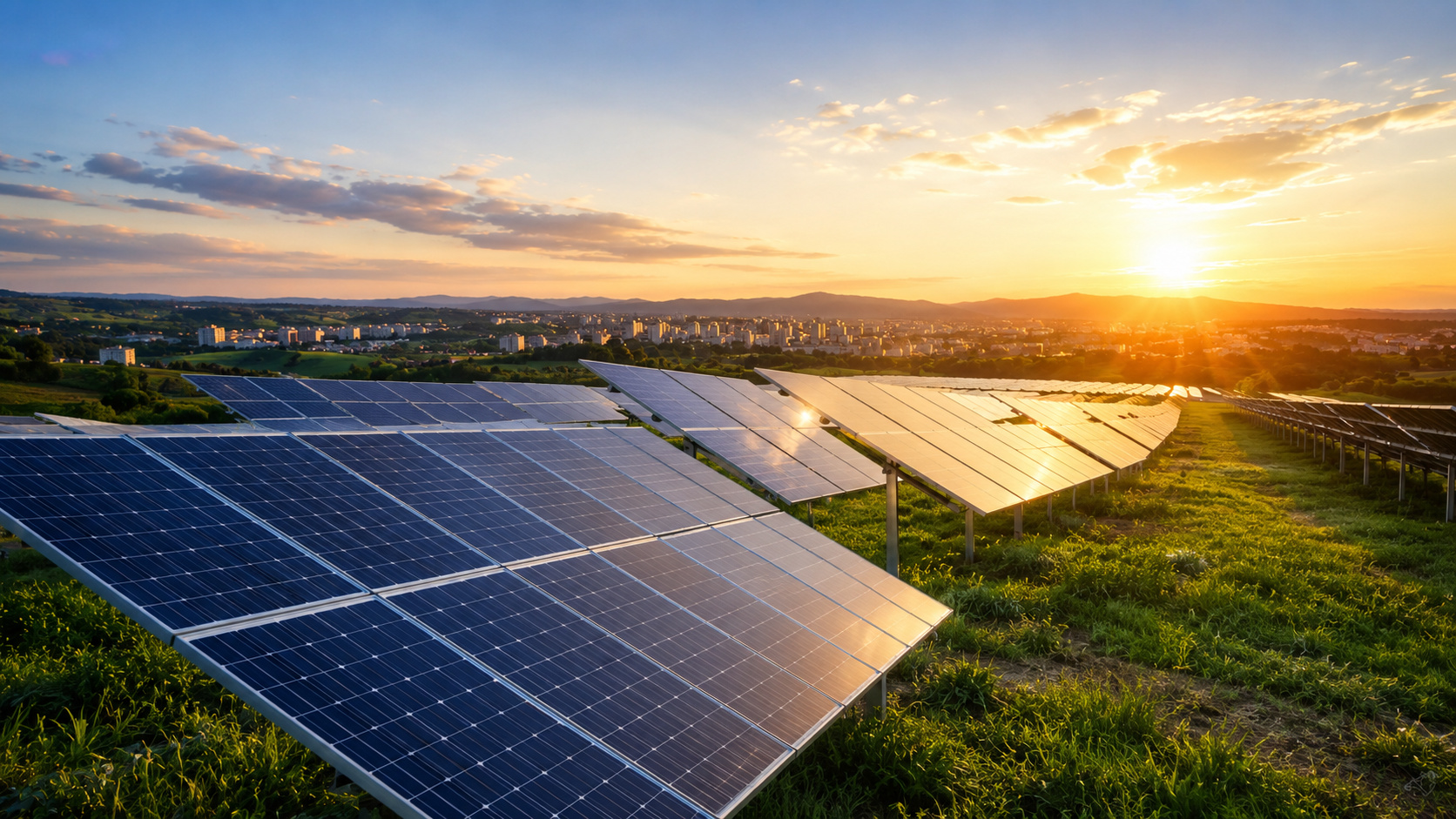
The city of Caxias do Sul (RS) has taken an important step towards sustainability with the commencement of operation of the first solar plant of Samae (Municipal Autonomous Service of Water and Sewage). Installed at the Morro Alegre Water Treatment Station (ETA) in the Vila Seca district, this facility is the first of three planned photovoltaic plants aimed at reducing electricity costs and promoting the use of renewable sources in the municipality.
With a total investment of R$ 4.6 million for the three units, the project is considered strategic for improving the energy efficiency of the autarchy, which currently spends about R$ 1.9 million per month on energy.
Plant Structure in Operation and Expected Savings
The solar plant already in operation consists of 960 photovoltaic modules of 550 watts, totaling an estimated generation capacity of 680 MWh per year.
-
Solar Chimney in Spain Harnessed Sun to Generate Electricity for 7 Years Without Burning Fuel

-
Solar energy reaches 55 GW, becoming the second largest power source in Brazil’s energy mix

-
Solar energy can increase property value by up to 10% and become a selling point.
-
Solar and wind energy surpass natural gas for the first time in the world and accelerate energy revolution


The investment in this unit was R$ 1.7 million, and the projected savings are around R$ 420 thousand per month.
About 70% of the generated energy will be used directly at the Morro Alegre ETA, while the remaining 30% will be converted into energy credits for compensation in lower consumption units, such as pumping stations and wells.
Two Other Solar Plants Awaiting Approval to Operate
In addition to the Morro Alegre plant, two other solar plants have already been built and are ready to operate, awaiting only the approval from the energy utility.
The second unit is located at the Parque da Imprensa ETA, equipped with 476 solar modules.
It has a generation capacity of 330 MWh per year and required an investment of R$ 1.2 million. The expected annual savings are R$ 210 thousand.
The third plant, at the Jardim das Hortênsias Reservoir Center, features 810 modules and could generate up to 570 MWh/year. The structure cost R$ 1.6 million, with a projected savings of R$ 385 thousand per year.
Environmental Commitment and Modernization of Energy Management
For Mayor Adiló Didomenico, the project symbolizes a transformation in how the municipality manages its resources and interacts with the environment.
“We are talking about an initiative with a direct impact on the municipality’s economy and also on environmental preservation,” he stated.
He also highlighted Samae’s role in protecting natural areas, especially the dams.
The implementation of the solar plants strengthens this commitment, while modernizing public infrastructure with a focus on efficiency and environmental responsibility.
With the operation of the three solar plants, Samae establishes itself as a regional benchmark in the adoption of clean energy.
The strategy adopted not only relieves public coffers but also positions Caxias do Sul among the most engaged Brazilian cities in the sustainable energy transition.
Source: Canal Solar