Portuguese
  Spanish


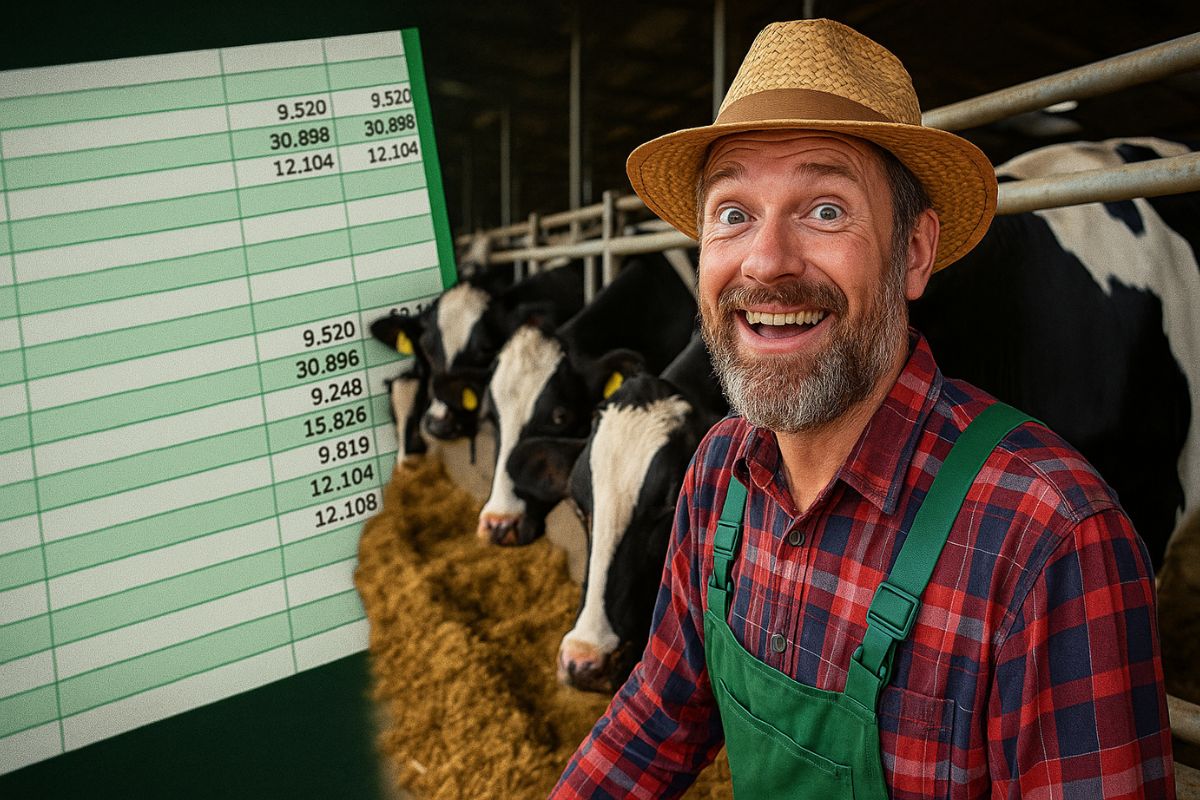


A Producer from Santa Catarina Details, Month by Month, the Complete Balance of His Dairy Activity and Reveals What’s Left at the End of 12 Months
Having 20 dairy cows may seem like a distant dream for many producers, but how much is actually left at the end of the year with this herd? Producer Ricardo, from the channel Leite com Lucro, revealed the complete numbers of his production over a 12-month cycle and transparently demonstrated the profit with 20 dairy cows, detailed and based on real data.
He lives in the south of Santa Catarina, works on a 7-hectare area, and maintains, on average, 16 to 17 cows in lactation throughout the year. The spreadsheet includes monthly revenues, operational costs, equipment depreciation, taxes, and even opportunity costs. The conclusion is impressive: even with the challenges, it is possible to obtain a solid income solely from milk.
One Year of Open Accounts: Everything Noted
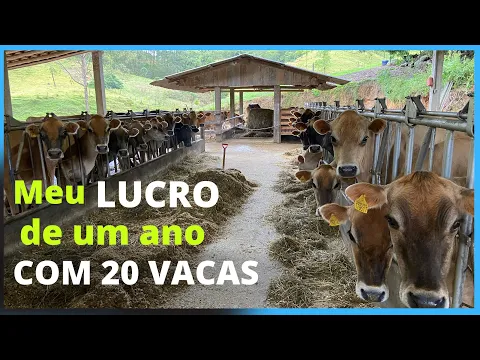

Over 12 months, Ricardo produced more than 90,000 liters of milk and had a gross revenue of R$ 256,429.84. The operational costs totaled R$ 93,759.29. The net revenue, before deducting depreciation and other charges, was R$ 162,670.55. After deducting all additional factors, such as the depreciation of barns, coolers, equipment, and taxes (such as the Rural Fund and ITR), the final profit with 20 dairy cows was R$ 157,323.55 for the year.
-
Sugarcane Cultivation in India: A Symbol of Water Stress and Environmental Strain Amidst Global Demand for Sugar and Green Fuel

-
Innovative Farm in Northeastern Brazil Combats Drought with Advanced Techniques, Aiming for 10,000 Liters of Milk Daily Production

-
Australian Desert Farm Uses Solar Power and Seawater to Produce 15,000 Tons of Tomatoes Annually, Resembling a Sci-Fi Agricultural Innovation

-
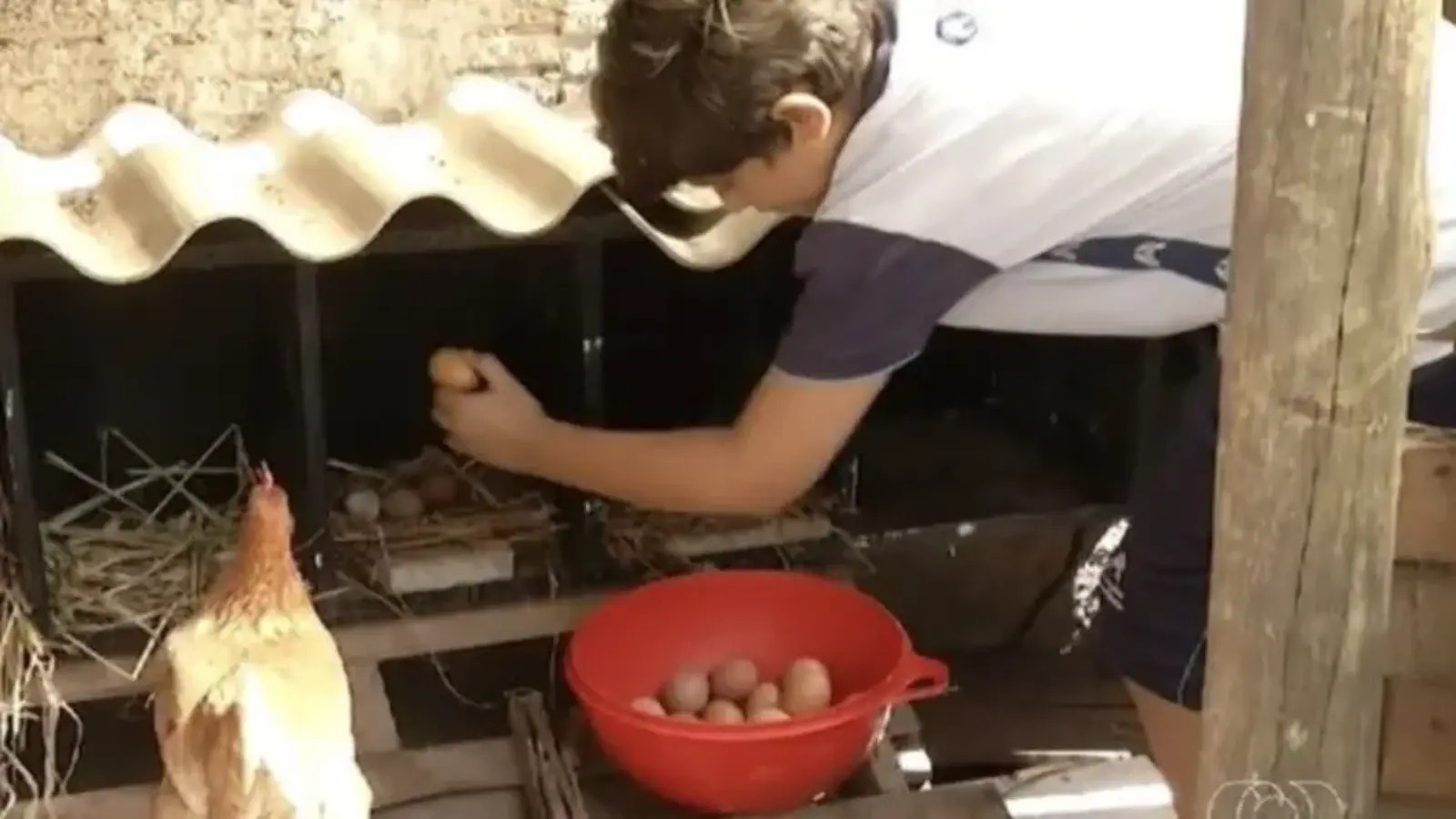
Brazilian Child Becomes National Role Model by Turning Financial Education Lesson into Thriving Poultry Business with 25 Hens and 150 Eggs Weekly
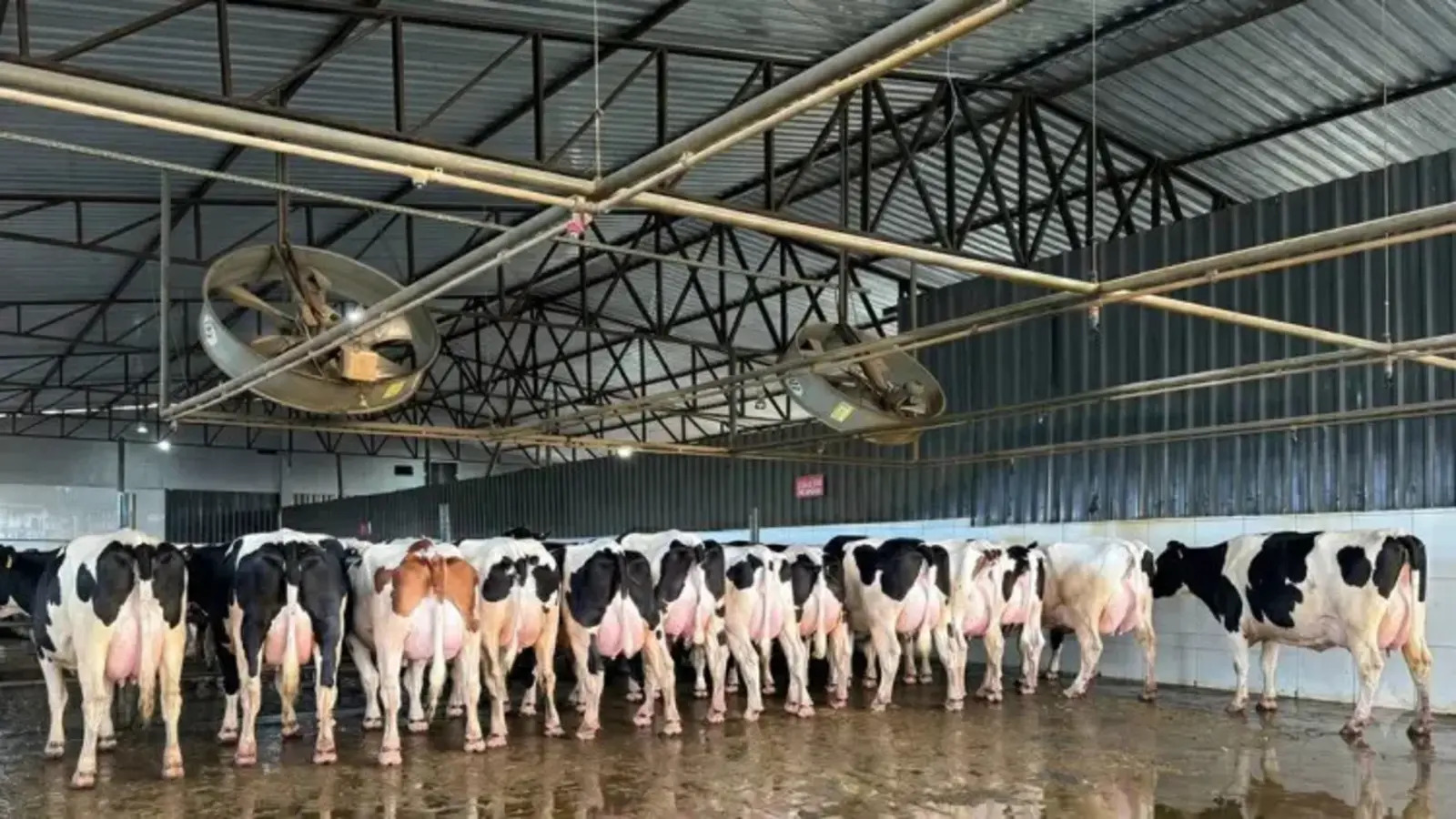

This amounts to about R$ 13,110 per month in net profit, an amount that Ricardo claims is sufficient to support his family and invest in his own production. He emphasizes that, even without vacations or a thirteenth salary, rural work offers stability and control over one’s own business.
Costs That Count
Ricardo’s monthly spreadsheet includes:
- Feed (lactating cows, calves, dry cows)
- Fertilization and urea for pastures
- Electricity for milking and refrigeration
- Seeds and agricultural inputs
- Maintenance expenses and outsourcing services
In addition, he accounts for the depreciation of structures such as barns and coolers, and estimates an opportunity cost of R$ 3,000 annually — the amount he would earn if he rented out part of the land instead of producing milk.
Is It Possible to Live on This?
According to Ricardo, yes. He and his wife work every day, without days off, but in their own business. Even considering a symbolic “salary” for both, the profit from 20 dairy cows remains positive. The producer claims to live well, invest frequently, and maintain a reserve for emergencies and leisure.
“It’s not a sea of money, but it’s enough to live well, with dignity, doing what we love,” he says.
Would you have the courage to invest in dairy cows with this return? Do you think it’s worth the daily effort? Comment on what you think about the numbers!