Portuguese
  Spanish


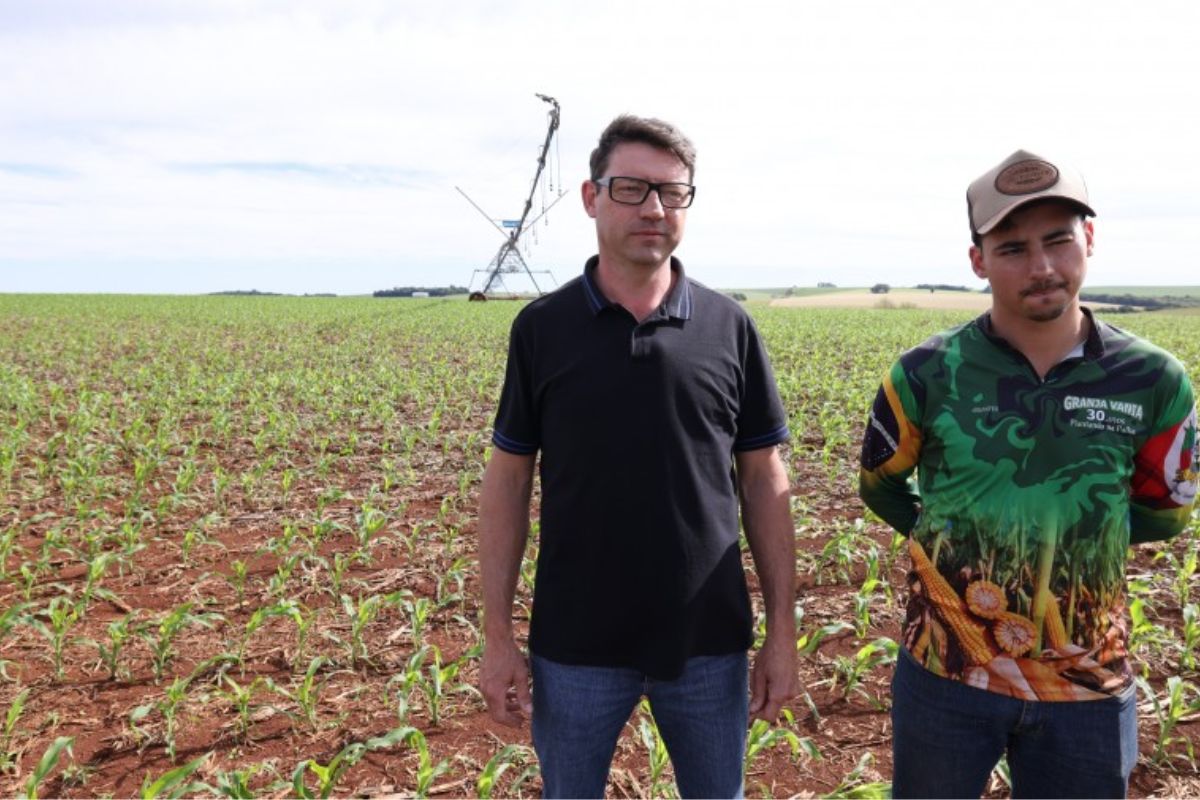

Thanks to the Strong Energy in the Field Program, rural producers from northern Rio Grande do Sul expand irrigation, modernize agro-industries, and secure quality three-phase energy in their properties
The Strong Energy in the Field Program, launched by the government of Eduardo Leite in 2020, has become a turning point for the agribusiness in the northern region of Rio Grande do Sul, according to an article published.
The initiative, which qualifies electrical energy networks in rural areas, has already benefited 12,400 properties, promoting concrete advances in productivity and the well-being of farming families.
With the installation of three-phase networks, the program offers higher power and stability, allowing the use of modern equipment in crops, farms, and agro-industries.
-
India’s Sugar Export Cuts and Ethanol Shift Amid El Niño Threat Could Impact Global Prices and Stocks

-
Quarantine Pest Threatening Palm Trees Puts Brazilian Authorities on Alert, Prompts Monitoring at University of Taubaté and Potential Control Measures Across São Paulo
-
Global Alert: Report Finds 159 Pesticides in Coffee Beans Sold in Europe, Posing Serious Risks to Millions of Farm Workers
-
Low-Demand Brazilian Beef Offal Gains Popularity Abroad: Indonesia Purchases $19.5 Million, Boosting Revenue and Reducing Waste



Expansion of Rural Three-Phase Energy and Increased Agricultural Production
With the expansion of three-phase networks in 123 municipalities in Rio Grande do Sul, the program has strengthened rural electrical infrastructure and boosted agricultural production on an unprecedented scale.
973 kilometers of new lines have been built, resulting from a state investment of R$ 19.9 million, which generated a total of R$ 102.1 million in works in partnership with rural electrification cooperatives.
These numbers reflect the direct impact of public policy on the competitiveness of the sector and the economic sustainability of the countryside.
In Santo Antônio do Planalto, farmer Marcel Petry is an example of the results achieved. With the support of the Strong Energy in the Field Program, he invested in a central irrigation system, which revolutionized his production.
Previously, soybean harvesting did not cover production costs. Today, productivity has jumped from 30 to over 90 sacks per hectare, and corn has increased from 70 to 250 sacks per hectare.
These results demonstrate how the modernization of the electrical network can transform family farming into a profitable and competitive business.
Young Producers and the Sustainable Future of Gaucho Agriculture
The retention of young people in the countryside is another positive reflection of the Strong Energy in the Field Program.
Farmer Igor Fiabani, from Barra do Rio Azul, shares that the arrival of three-phase energy brought new opportunities for his family, which is involved in the production of soybeans, corn, wheat, pigs, and poultry.
Stable, high-power energy allows for proper climate control in chicken coops, essential for the productivity of the animals.
According to Igor, this infrastructure encourages the children of producers to continue the family legacy, promoting rural succession and valuing agricultural work.
Igor’s mother, Marli Fiabani, also emphasizes that energy is a key piece in the daily life of the countryside. For her, electricity is essential for heating animals, feeding automated systems, and improving the family’s quality of life.
The program, therefore, not only ensures productive efficiency but also ensures comfort and dignity for those who live and work in the rural areas of Rio Grande do Sul.
Record Investments Strengthen Agribusiness and Rural Sustainability
The state government announced in September the largest transfer ever made to the Strong Energy in the Field Program, amounting to R$ 71.3 million allocated to the fifth phase of the initiative.
This investment reinforces the commitment to sustainable development and energy innovation in rural areas.
Modernizing energy networks not only reduces losses and failures in supply but also creates conditions for the installation of irrigation, climate control, and automation technologies, essential for increasing productivity and environmental efficiency.
The partnership with rural electrification cooperatives is a strategic pillar of the program, ensuring that resources reach agricultural communities quickly and effectively.
The collaborative model has been nationally recognized: the program received an award in Brasília for its positive impact on energy inclusion and the strengthening of rural production chains.
With the advancement of the stages and the expansion of investments, the Strong Energy in the Field Program continues to transform the rural landscape of Rio Grande do Sul.
By ensuring quality electrical energy, the government of Eduardo Leite promotes development, innovation, and a future for thousands of farming families who now see the countryside as a place of opportunities and prosperity.